Email Us
 Freight Forwarding Software
 Warehouse Management System
 Transport Management System
 Moving/Removal Software
 Customer Service Portal
 Move Survey Quote Pro
 Digital Logistics Inventory App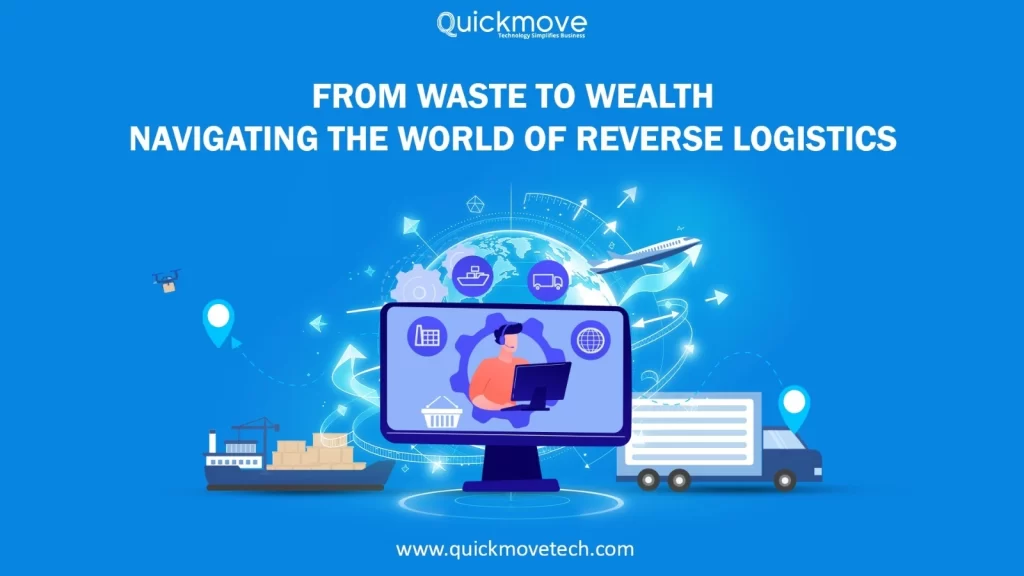
In most supply chains, the focus is always on moving products forward — from manufacturers to distributors, retailers, and finally to customers. Businesses invest heavily in transportation, inventory management, and last-mile delivery to ensure products reach consumers quickly and efficiently.
But what happens when products start moving in the opposite direction?
Product returns, damaged goods, warranty claims, unsold inventory, and end-of-life items are a reality for almost every industry today. Traditionally, these were treated as operational headaches — something businesses had to deal with after the sale was complete.
Today, however, companies are realizing that returns are not just a problem to solve. They are an opportunity to recover value, improve customer experience, and create more sustainable operations. With the support of technologies like a warehouse management system, businesses can also track, process, and manage returned inventory far more efficiently than before.
This is where reverse logistics plays a crucial role. When managed strategically, reverse logistics can turn what appears to be waste into real financial and operational value.
What is Reverse Logistics?
Reverse logistics refers to the process of moving goods from their final destination back through the supply chain for the purpose of return, repair, refurbishment, recycling, or disposal.
In simple terms, it is the reverse flow of products after they have been sold or delivered.
Unlike traditional logistics, which focuses on delivering products efficiently to customers, reverse logistics focuses on managing everything that happens after the product leaves the warehouse.
This includes:
- Customer returns
- Product recalls
- Warranty repairs
- Refurbishment
- Recycling and disposal
- Reuse of packaging materials
An effective reverse logistics system ensures that returned products are processed quickly, inspected properly, and routed to the right destination, whether that means restocking, repairing, recycling, or discarding them.
Companies that treat reverse logistics as a strategic process rather than an operational burden often gain significant cost savings and competitive advantages.
Why Reverse Logistics is Becoming More Important
Reverse logistics has gained importance in recent years due to several major industry trends.
Rapid Growth of E-commerce
Online shopping has changed customer expectations dramatically. One of the biggest drivers of reverse logistics today is e-commerce product returns.
Customers now expect:
- Easy return policies
- Quick refunds
- Free return shipping
- Hassle-free exchanges
Industries such as fashion and electronics often experience return rates as high as 20–30%, which makes efficient reverse logistics critical for profitability.
Increasing Sustainability Awareness
Consumers and governments are placing greater emphasis on environmental responsibility. Companies are now expected to reduce waste and adopt circular supply chain practices.
Reverse logistics supports sustainability by enabling:
- Recycling of materials
- Refurbishment of products
- Reuse of packaging
- Responsible disposal of waste
This not only reduces environmental impact but also strengthens brand reputation.
Product Lifecycle Management
Many industries, especially electronics and technology, have shorter product lifecycles. Reverse logistics allows companies to recover valuable components and materials from outdated or returned products.
Regulatory Compliance
Many countries now require companies to comply with environmental regulations regarding waste management and recycling. Reverse logistics helps organizations stay compliant with these regulations while avoiding penalties.
Types of Reverse Logistics Processes
Reverse logistics is not a single process. It includes multiple activities depending on the reason for the product’s return.
Returns Management
Returns management is the most common reverse logistics activity.
Customers may return products for several reasons:
- Incorrect size or color
- Product defects
- Wrong item delivered
- Change of mind
- Damaged goods during shipping
The goal of returns management is to process these returns efficiently and determine the best possible outcome:
- Refund
- Exchange
- Repair
- Restocking
A well-structured returns process improves customer satisfaction while minimizing operational costs.
Remanufacturing and Refurbishment
Some returned products still have significant value. Instead of discarding them, companies may restore them to working condition.
Remanufacturing involves completely rebuilding a product. This may include disassembling the product, replacing worn components, and reassembling it to meet original specifications.
Refurbishment, on the other hand, is a lighter process that may involve:
- Cleaning
- Minor repairs
- Testing
- Packaging for resale
Refurbished products are commonly sold at discounted prices, creating additional revenue streams.
Recycling and Material Recovery
When products cannot be resold or repaired, valuable materials can still be recovered.
This process includes extracting reusable materials such as:
- Metals
- Plastics
- Electronic components
- Packaging materials
These materials can then be reused in the manufacturing of new products, reducing the need for raw materials and lowering environmental impact.
Product Recalls
Product recalls occur when a product has safety issues or manufacturing defects.
In such situations, companies must quickly retrieve affected products from the market. Reverse logistics helps coordinate this process efficiently, ensuring products are collected, inspected, and handled appropriately.
Unsold Inventory Returns
Retailers often return unsold products to manufacturers or distributors. Managing these returns effectively ensures that inventory can be redistributed, discounted, or repurposed.
Without a proper reverse logistics strategy, unsold inventory can quickly turn into financial losses.
Packaging and Asset Reuse
Reverse logistics also includes the recovery and reuse of packaging materials such as:
- Pallets
- Containers
- Crates
- Shipping boxes
Reusing these materials can significantly reduce operational costs while minimizing environmental waste.
Benefits of Effective Reverse Logistics
When businesses implement a structured reverse logistics strategy, they gain several operational and financial benefits.
Cost Reduction
Returned goods often represent lost revenue. However, efficient reverse logistics allows companies to recover value through:
- Reselling returned items
- Refurbishing products
- Recycling materials
This reduces financial losses associated with returns.
Increased Revenue Opportunities
Refurbished or repaired products can be resold through secondary markets, creating new revenue streams.
Many companies today run successful refurbished product programs, especially in electronics and appliances.
Improved Customer Experience
A smooth and transparent return process builds trust with customers.
Customers are more likely to purchase again from companies that offer:
- Easy returns
- Quick refunds
- Reliable customer support
Reverse logistics plays a key role in delivering that experience.
Better Inventory Visibility
Returned products can create confusion if they are not tracked properly.
A structured reverse logistics process ensures that returned goods are accurately recorded and managed, improving inventory visibility across the supply chain.
Stronger Brand Reputation
Consumers increasingly prefer brands that demonstrate environmental responsibility.
By implementing sustainable reverse logistics practices such as recycling and refurbishment, companies can improve their brand image and appeal to eco-conscious customers.
Valuable Business Insights
Returns provide valuable information about product quality and customer behavior.
Analyzing return data can reveal insights such as:
- Common product defects
- Packaging issues
- Shipping damage trends
- Customer preference patterns
These insights help businesses improve product design and supply chain operations.
Key Challenges in Reverse Logistics
Despite its benefits, reverse logistics can be complex and difficult to manage.
Some common challenges include:
Unpredictable Return Volumes
Unlike outbound logistics, returns are difficult to forecast. Sudden spikes in returns can disrupt warehouse operations.
Product Condition Variability
Returned products may arrive in different conditions, making it harder to standardize inspection and processing.
Operational Complexity
Reverse logistics involves multiple processes including inspection, sorting, repair, and restocking.
Without proper systems, these processes can become slow and inefficient.
Cost Management
Transportation, labor, and processing costs associated with returns can quickly add up if not managed efficiently.
This is why technology plays an increasingly important role in modern reverse logistics operations.
The Role of Warehouse Management Systems (WMS) in Reverse Logistics
Technology is a critical component of successful reverse logistics operations. A modern Warehouse Management System (WMS) helps businesses manage returned goods with greater accuracy and efficiency.
While WMS platforms are traditionally designed for outbound logistics, advanced systems now support both forward and reverse supply chain operations.
Real-Time Tracking and Visibility
A WMS provides complete visibility into returned inventory.
Every returned item can be tracked with information such as:
- Return reason
- Product condition
- Inspection status
- Final disposition
This eliminates confusion and prevents inventory losses.
Streamlined Return Processing
A WMS can automate the entire returns workflow.
Warehouse staff can use the system to:
- Receive returned items
- Scan and identify products
- Inspect condition
- Categorize items for resale, repair, or disposal
This speeds up processing and reduces manual errors.
Optimized Warehouse Space Utilization
Returned items often require temporary storage until inspection is completed.
A WMS helps allocate storage space efficiently, ensuring the warehouse remains organized and clutter-free.
Faster Refund and Replacement Processing
By integrating with ERP and e-commerce platforms, a WMS can automatically trigger:
- Refund approvals
- Replacement orders
- Repair requests
This reduces delays and improves customer satisfaction.
Data Analytics and Reporting
One of the biggest advantages of a WMS is its ability to collect and analyze reverse logistics data.
Companies can track metrics such as:
- Return rates by product category
- Most common return reasons
- Processing time for returns
- Recovery value from refurbished items
These insights help businesses optimize operations and reduce future returns.
Best Practices for Building an Effective Reverse Logistics Strategy
Companies looking to improve reverse logistics should focus on several key practices.
Create a Clear Returns Policy
Customers should clearly understand the return process, timelines, and conditions.
Standardize Inspection Procedures
Establish clear guidelines for evaluating returned products.
Invest in Technology
Warehouse management systems and automation tools can significantly improve efficiency.
Use Return Data for Product Improvement
Analyze return data regularly to identify product or packaging issues.
Build Sustainable Processes
Focus on recycling, refurbishment, and responsible disposal to support sustainability goals.
Turning Returns into a Competitive Advantage
Many businesses still treat reverse logistics as a secondary function. However, forward-thinking companies are now recognizing that reverse logistics can be a strategic advantage.
By investing in efficient systems, streamlined processes, and advanced technologies like warehouse management systems, companies can transform returns management from a cost center into a value-generating operation.
Products that once ended up as waste can now be refurbished, resold, or recycled — generating additional revenue while reducing environmental impact.
Conclusion
Reverse logistics is no longer a minor operational concern. It has become an essential component of modern supply chain management.
As e-commerce grows, sustainability expectations increase, and product lifecycles shorten, businesses must develop effective strategies to manage product returns and recovery processes.
Companies that embrace reverse logistics can unlock hidden value, improve customer experience, strengthen brand reputation, and operate more sustainably.
With the right strategy and supporting technology — particularly a robust warehouse management system — businesses can transform returned goods from a burden into a powerful opportunity, truly turning waste into wealth.