Email Us
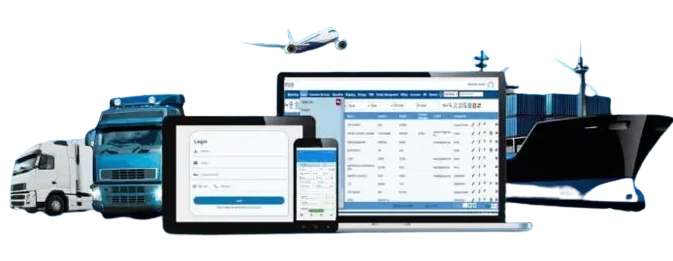
 Freight Forwarding Software
 Warehouse Management System
 Transport Management System
 Moving/Removal Software
 Customer Service Portal
 Move Survey Quote Pro
 Digital Logistics Inventory App
If you’re running a freight forwarding business, you already know how complex and fast-moving the logistics world can be. Keeping shipments on track, dealing with customs regulations, managing documents, and keeping clients updated—it’s a lot to juggle.
For some companies, especially smaller or family-run operations, there’s a tendency to stick with what’s familiar: spreadsheets, emails, paper files, and phones. It may seem like you’re saving money by avoiding the cost of freight forwarding software. But the truth is, not using digital tools could be costing your business far more—in time, money, and missed opportunities.
This is where QuickMove Technologies’ freight forwarding software can really make a difference—by making your daily operations easier, cutting down on mistakes, and helping you stay ahead of the competition.
Here, we’ll break down the hidden costs of not using freight forwarding software and why modernizing your operation isn’t just smart—it’s essential.
Why Hidden Costs Weigh Down Freight Forwarders
Many freight forwarders don’t realize how much money they’re losing through everyday inefficiencies. It’s not just big mistakes that cost you — it’s the small, repeated issues that add up over time.
Manual processes, missed updates, delayed paperwork, and tracking everything by hand might feel manageable, but they quietly drain time, increase overhead, and limit how much you can grow. These hidden costs often go unnoticed until margins start shrinking or customers start complaining. The global freight forwarding market is expected to grow to USD 285.60 billion by 2030. So, addressing the hidden costs early is key to staying competitive and profitable in a fast-moving industry. And using QuickMove’s reliable freight management software can prove highly beneficial in mitigating various hidden costs for freight forwarders.
The Unseen Expenses of Skipping Freight Forwarding Software
Skipping freight forwarding software might seem harmless, but the hidden costs stack up quickly. From wasted time to missed opportunities, manual processes quietly drain your business. Let us learn about the hidden expenses of not using freight forwarding software.
Wasted Time = Wasted Money
Let’s start with the obvious one: time.
Without software, most freight forwarders rely on manual processes—copy-pasting shipment details, tracking cargo status across multiple carrier websites, emailing customers with updates, and manually entering data into accounting systems.
This takes hours. And it introduces human error. If you or your team spends even a few hours a week doing something software could automate in seconds, that’s not free—it’s a cost.
Let’s say your operations team spends 10 hours a week just tracking shipments manually. At an average wage of $20/hour, that’s over $10,000 a year in labor costs. And that doesn’t even factor in the value of what they could be doing with that time—like finding new customers, improving service, or solving actual logistics problems.
QuickMove Technologies’ freight forwarder software is designed to automate these exact tasks—freeing your team from repetitive processes and saving you significant operational costs over time.
Human Errors That Lead to Costly Mistakes
Manual work means mistakes. It’s not a question of if—it’s when.
Misspelling a consignee name, entering the wrong container number, forgetting a customs document, or misquoting a rate—all of these are small errors that can have serious consequences. Late shipments, customs delays, unhappy clients, or even fines.
Freight forwarding software reduces these risks by automating data entry, validating fields, and keeping everything organized. You get alerts, reminders, and a single source of truth. This minimizes errors that cost time, money, and your reputation.
Using a reliable platform like QuickMove Technologies’ software helps ensure your team works with accurate, real-time data—drastically reducing the chance of expensive errors and rework.
Poor Customer Experience
Customers today expect fast, transparent communication. They want real-time tracking, clear documentation, and quick responses. If you’re still updating clients through phone calls or PDF emails after the fact, you’re falling behind.
Software for freight forwarding companies gives your clients access to online portals, automated tracking updates, and digital documents—all in one place. It creates a more professional image and builds trust.
Without it, you risk losing clients to competitors who can offer better visibility and faster service.
Inefficient Operations and Lack of Visibility
Running a logistics business without centralized software is like flying blind.
- You don’t know which shipments are delayed unless you check manually.
- You can’t see which clients are profitable.
- You don’t know which team members are overloaded or underperforming.
- You can’t easily forecast cash flow or future workload.
Freight forwarding software gives you dashboards and reporting tools that bring clarity. With this kind of visibility, you can make better decisions, plan ahead, and optimize resources.
QuickMove Technologies’ platform includes intelligent reporting and analytics that give you the data you need to streamline operations and uncover savings opportunities.
Compliance Risks and Fines
Every freight forwarder deals with regulations—customs filings, dangerous goods, local trade rules, and more. Missing a document or misfiling data can lead to delays or even fines from authorities.
Freight forwarding software helps you stay compliant by managing documentation, deadlines, and country-specific requirements.
The cost of non-compliance? It could be thousands in fines or losing your license to operate in certain markets.
Difficulty Scaling Your Business
Maybe you’re managing fine now with a small team and limited volume. But what happens when you get more clients or more shipments?
Can your current process handle double the volume without breaking down?
Freight forwarding software is built to scale. It grows with you—automating repetitive tasks, managing growing data, and supporting more users without the need for more paperwork or people.
Without it, you may find yourself stuck—turning away business or burning out your team.
QuickMove Technologies’ freight forwarding software is cloud-based and built for growth, so whether you’re onboarding new clients or expanding globally, your software won’t be a bottleneck.
Higher Operational Costs Over Time
Ironically, avoiding freight software because it “costs too much” often results in higher long-term costs.
Here’s why: You hire more staff to do what software can automate. You spend more time fixing errors. You lose customers due to poor service. You miss out on insights that could help you cut costs.
When you add it all up, the cost of not using freight software far outweighs the price of investing in a good platform.
Missed Competitive Advantage
Today’s freight forwarding market is more competitive than ever. Larger players are investing heavily in digitalization. They’re offering customers better visibility, smoother workflows, and faster responses.
By staying manual, you’re giving your competitors an edge.
On the other hand, adopting freight forwarding software levels the playing field. It allows smaller forwarders to compete on service, speed, and efficiency—even against the big players.
QuickMove Technologies empowers forwarders of all sizes to compete confidently—offering enterprise-grade features without enterprise-level complexity or cost.
Software Is Not a Luxury—It’s a Business Essential
If you’re still managing your freight forwarding operation using manual methods, it’s time to take a hard look at what it’s costing you.
In 2025, freight forwarding software isn’t just a “nice to have.” It’s the foundation for running a smarter, leaner, and more resilient logistics business.
Whether you’re a small team or a growing operation, the sooner you make the switch, the more you’ll save—and the better you’ll serve your customers. If you’re ready to make the switch, QuickMove Technologies is a proven choice—trusted by logistics providers worldwide to simplify operations, reduce costs, and scale with confidence.