Email Us
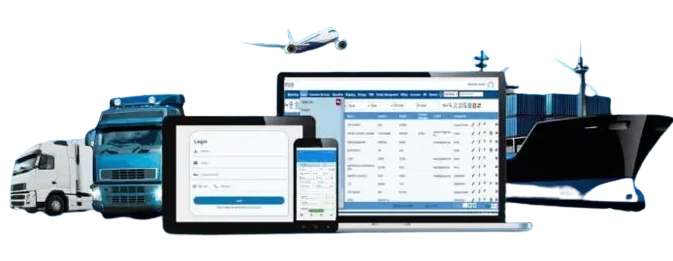
 Freight Forwarding Software
 Warehouse Management System
 Transport Management System
 Moving/Removal Software
 Customer Service Portal
 Move Survey Quote Pro
 Digital Logistics Inventory App
The logistics sector was generally characterized as complicated, requiring a lot of capital, and being slow to innovate. But the startup culture boom in India and the GCC (Gulf Cooperation Council) region is changing that picture. They are not only adopting technology and agile strategies but also using their deep market knowledge to solve problems faster and create solutions that can be scaled beyond the local market. With its state-of-the-art compatibility features, QuickMove is a company that can be a major driver in this change.
The Rise of Startup Culture in India and GCC:
India and GCC countries like UAE, Saudi Arabia, and Qatar are brimming with tech-powered startups. The main factors responsible for this are:
- Access to Funding: The doors are now wide open for a logistics startup in need of funds as venture capitalists, angel investors, and government-backed programs are all eager to contribute the needed capital for fast and grand scaling.
- Digital Infrastructure: The services of cloud computing, which are made up of different cutting-edge technologies like IoT, AI, and blockchain, have become so affordable for startups that it has enabled them to provide services like real-time tracking, forecasting, and route optimization.
- Young Talent: India’s vast pool of technology-literates graduates and the international workforce available in the GCC area are good resources that together make fast innovation and implementation possible for startups.
Government Support: SCM innovation is stimulated by policy measures such as UAE’s “Smart Logistics” initiatives and India’s “Startup India” program.
Benefits for Young Logistics Startups:
- Agility and Experimentation: New models of delivery, on-demand services, and last-mile innovations can be tested by startups without any limitations from legacy systems since they don’t have one.
- Global Market Access: Cities in the GCC such as Dubai and Abu Dhabi that host numerous free zones become the connecting points to the Middle East, Africa, and Asia markets, thus providing young startups with the opportunity of being visible globally and expanding their businesses.
- Technology Adoption: Startups can put into practice AI-based demand forecasting, route optimization, and automated warehousing at nearly one-tenth of the traditional value.
QuickMove Integration: A Game-Changer
It is QuickMove that makes logistic integration a breeze across the entire ecosystem:
- Real-Time Visibility: Invoices, shipments, and inventory are checked moment by moment, thus giving room to less error and delay.
- End-to-End Automation: With QuickMove, on top of automating the entire chain of activities from order placement to delivery confirmation, a company is also able to lessen its other operational costs significantly.
- Scalable Architecture: The overstretched IT departments resulting from rapid business growth will no longer be a concern of startups as they will be able to increase their staff without having to stop due to lack of space or technology.
- Data-Driven Decisions: The extensive analytics dashboards that keep track of operational efficiency, cost management, and customer satisfaction now provide management with a wealth of information on which data-driven decisions can be made.
Why QuickMove Matters for Young Startups:
By using QuickMove, young companies are enabled to concentrate on their expansion rather than being troubled by day-to-day operations. To illustrate, a young logistics company in Mumbai or Dubai is able to quickly connect the carriers, monitor the shipments, and handle the invoicing all at once without establishing separate IT systems. This process shortens the time of the product or service to reach the market, reduces the risk of operations, as well as the overhead costs and thus allows the startup to be in a position to compete with large, well-established logistics companies.
Conclusion
The coming together of the startup culture in India and the GCC with the help of technologically integrated platforms such as QuickMove is what will eventually bring a dramatic change in the logistics industry. The problem of having to choose between efficiency and scale is no longer an issue for the young entrepreneurs. They can achieve both simultaneously and thus raise the bar for customer expectations throughout the area by providing fast deliveries, cost optimization, and transparency which are factors that have never been matched before.