Email Us
 Freight Forwarding Software
 Warehouse Management System
 Transport Management System
 Moving/Removal Software
 Customer Service Portal
 Move Survey Quote Pro
 Digital Logistics Inventory App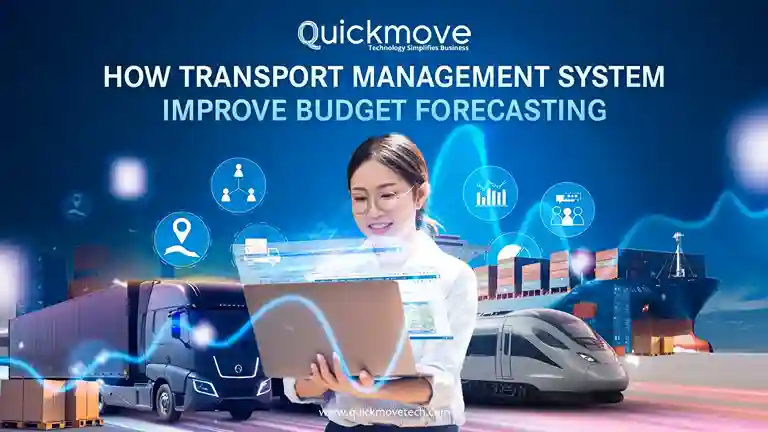
Budget forecasting in transportation has never been easy. Fuel prices change overnight. Carrier rates fluctuate with demand. Customer expectations keep rising. And one small delay or miscalculation can throw an entire logistics budget off balance.
For many companies, transportation is one of the largest and most unpredictable operational costs. Yet, budgeting for it is often done using spreadsheets, historical averages, and gut feeling. That approach might have worked years ago—but in today’s fast-moving supply chain environment, it leaves too much room for error.
This is where a Transport Management System (TMS) plays a critical role.
A well-implemented TMS doesn’t just help you move goods from point A to point B. It gives you the data, visibility, and control needed to forecast transportation budgets with far greater accuracy. Instead of guessing, logistics teams can plan based on real numbers, real trends, and real-time insights.
In this article, we’ll break down—step by step—how transport management systems improve budget forecasting, why traditional methods fall short, and how businesses use TMS data to make smarter financial decisions.
Why Budget Forecasting in Transportation Is So Challenging
Before understanding how a TMS helps, it’s important to understand why transportation budgets are so hard to forecast in the first place.
Transportation Costs Are Highly Variable
Unlike fixed costs such as rent or salaries, transportation costs change constantly. Some of the biggest variables include:
- Fuel price fluctuations
- Seasonal demand spikes
- Carrier rate changes
- Detention and demurrage charges
- Route disruptions due to weather or congestion
- Last-minute order changes
When these variables aren’t tracked properly, forecasts quickly become inaccurate.
Lack of Centralized Data
Many organizations still manage transportation data across multiple systems:
- Freight invoices in accounting software
- Shipment details in spreadsheets
- Carrier contracts stored as PDFs
- Tracking updates coming through emails or phone calls
When data lives in silos, finance and logistics teams struggle to create a single, reliable forecast.
Reactive Instead of Predictive Planning
Without real-time visibility, most transportation budgets are reactive. Teams adjust forecasts after costs have already gone up, instead of anticipating changes in advance.
This leads to:
- Budget overruns
- Emergency cost-cutting
- Reduced profitability
A transport management system changes this dynamic completely.
What Is a Transport Management System (Brief Overview)
A Transport Management System is software that helps businesses plan, execute, track, and analyze transportation activities.
At a basic level, a TMS handles:
- Route planning and optimization
- Carrier selection and rate management
- Shipment tracking
- Freight audit and payment
- Transportation analytics and reporting
But the real value of a TMS lies in data consolidation and intelligence—which is exactly what makes better budget forecasting possible.
How a Transport Management System Improves Budget Forecasting
Let’s break this down into practical, real-world benefits.
1. Centralized Transportation Cost Data
Accurate forecasting starts with accurate data.
A TMS collects all transportation-related costs in one place:
- Freight charges
- Fuel surcharges
- Accessorial fees
- Carrier invoices
- Penalties and delay costs
Instead of pulling numbers from multiple departments, finance teams can rely on a single source of truth.
This centralization allows companies to:
- See total transportation spend clearly
- Identify cost patterns over time
- Eliminate data inconsistencies
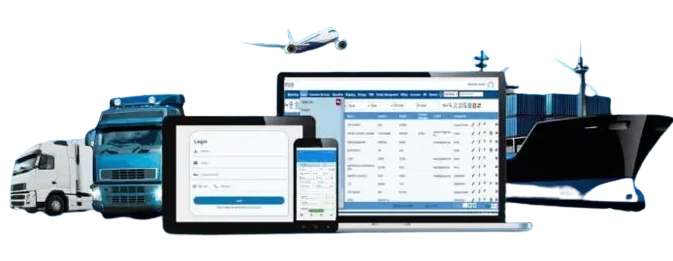
With platforms like QuickMove Technologies’ transport management system, businesses gain a consolidated dashboard that shows historical and current transportation costs in one view—making financial planning far more reliable.
2. Better Use of Historical Data
Most companies have historical transportation data—but they don’t use it effectively.
A TMS organizes historical data by:
- Route
- Carrier
- Mode of transport
- Customer
- Time period
This structure makes it much easier to analyze trends such as:
- Cost increases during peak seasons
- Routes that consistently exceed budget
- Carriers that frequently add extra charges
Instead of forecasting based on rough averages, teams can build data-driven projections that reflect actual past performance.
For example:
If lane A historically costs 12% more during Q4, that increase can be factored into the next budget—before it becomes a problem.
3. Accurate Lane-Level and Route-Level Forecasting
One of the biggest advantages of a TMS is granular forecasting.
Rather than forecasting transportation spend as one large number, a TMS allows companies to forecast by:
- Individual lanes
- Regions
- Customers
- Distribution centers
This level of detail helps businesses:
- Allocate budgets more precisely
- Identify high-risk routes
- Make informed decisions about network design
By using route-level analytics, systems like QuickMove Technologies’ TMS help logistics teams forecast costs with much higher accuracy than traditional top-down methods.
4. Real-Time Visibility into Cost Drivers
Budget forecasts often fail because teams don’t see problems until it’s too late.
A TMS provides real-time visibility into:
- Delays
- Detention charges
- Route deviations
- Carrier performance issues
This visibility allows teams to:
- Adjust forecasts mid-cycle
- Flag unexpected cost increases early
- Prevent small issues from becoming major budget overruns
Instead of waiting for month-end reports, decision-makers can respond while shipments are still in transit.
5. Predictive Insights Based on Trends
Modern transport management systems go beyond reporting—they help predict future costs.
By analyzing patterns such as:
- Fuel price trends
- Seasonal volume changes
- Carrier capacity constraints
A TMS can support predictive forecasting.
For example:
- If volumes increase every March, the system highlights the expected cost rise
- If a carrier’s rates trend upward, procurement teams can renegotiate early
This proactive approach turns transportation budgeting from guesswork into strategic planning.
6. Improved Carrier Rate Management
Carrier rates are one of the largest components of transportation budgets.
A TMS stores:
- Contracted rates
- Spot rates
- Historical carrier performance
This makes it easier to:
- Compare actual spend vs. contracted rates
- Identify carriers that consistently exceed budget
- Forecast future rate changes
With systems like QuickMove Technologies’ transport management system software, businesses can evaluate carrier costs over time and build more realistic forecasts based on actual rate behavior—not assumptions.
7. Automated Freight Audit Reduces Forecast Errors
Freight invoice errors are surprisingly common. Duplicate charges, incorrect rates, and unexpected accessorial fees all distort budget data.
A TMS automates freight auditing by:
- Matching invoices against contracts
- Flagging discrepancies
- Ensuring only valid charges are paid
This leads to:
- Cleaner financial data
- More accurate historical records
- Better forecasting models
When past data is accurate, future forecasts naturally improve.
8. Scenario Planning and “What-If” Analysis
One of the most powerful forecasting tools a TMS offers is scenario modeling.
Logistics and finance teams can simulate:
- Fuel price increases
- Volume growth
- Route changes
- Carrier switches
For example:
“What happens to our transportation budget if fuel prices rise by 10%?”
“What if we move 20% of shipments to rail?”
Using these insights, companies can prepare contingency budgets instead of reacting under pressure.
9. Alignment Between Logistics and Finance Teams
Budget forecasting often fails due to poor communication between departments.
A TMS bridges this gap by:
- Providing shared dashboards
- Using standardized data definitions
- Offering reports that both teams understand
Finance teams gain transparency into logistics operations, while logistics teams understand the financial impact of their decisions.
Tools like QuickMove Technologies’ transport management software are designed to support this collaboration, ensuring forecasts are built on shared, trusted data.
10. Better Control Over Accessorial and Hidden Costs
Accessorial charges—detention, demurrage, re-delivery fees—can quietly destroy budgets.
A TMS tracks these costs explicitly, helping companies:
- Identify frequent problem areas
- Hold carriers accountable
- Adjust forecasts to reflect real spending patterns
Over time, this visibility helps reduce these charges altogether—leading to more stable and predictable budgets.
11. Support for Long-Term Strategic Budgeting
Beyond monthly or quarterly forecasts, a TMS supports long-term financial planning.
By analyzing multi-year data, companies can:
- Plan transportation budgets for expansion
- Evaluate new distribution centers
- Assess the cost impact of new markets
This long-term view is essential for businesses aiming to scale sustainably.
Real-World Example: Forecasting Before vs. After TMS
Before implementing a TMS:
- Forecasts were based on last year’s averages
- Unexpected costs caused frequent overruns
- Finance teams lacked confidence in projections
After implementing a TMS:
- Forecasts were lane-specific and data-driven
- Variances decreased significantly
- Budget planning became proactive
Companies using platforms like Quickmove Technologies’ transport management system often report greater confidence in transportation budgets because forecasts are backed by real operational data—not assumptions.
Why Budget Forecasting Accuracy Matters More Than Ever
In today’s logistics environment:
- Margins are tighter
- Customer expectations are higher
- Supply chains are more complex
Poor forecasting doesn’t just affect finance—it impacts pricing, customer service, and growth decisions.
A transport management system helps businesses:
- Reduce financial risk
- Improve planning accuracy
- Make smarter, faster decisions
Final Thoughts
Budget forecasting in transportation will always involve uncertainty—but it doesn’t have to be a guessing game.
A transport management system brings structure, visibility, and intelligence to one of the most complex cost areas in any business. By centralizing data, improving accuracy, and enabling predictive insights, a TMS transforms transportation budgeting from reactive damage control into strategic planning.
For companies serious about controlling logistics costs and forecasting with confidence, solutions like Quickmove Technologies’ transport management system provide the tools needed to plan smarter, respond faster, and build budgets that actually reflect reality.
Accurate forecasts don’t happen by accident—they happen when decisions are powered by the right data, at the right time.