Email Us
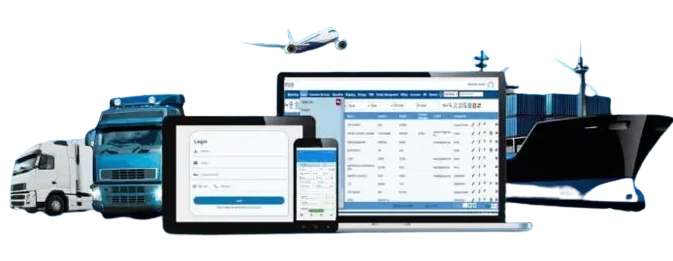
 Freight Forwarding Software
 Warehouse Management System
 Transport Management System
 Moving/Removal Software
 Customer Service Portal
 Move Survey Quote Pro
 Digital Logistics Inventory App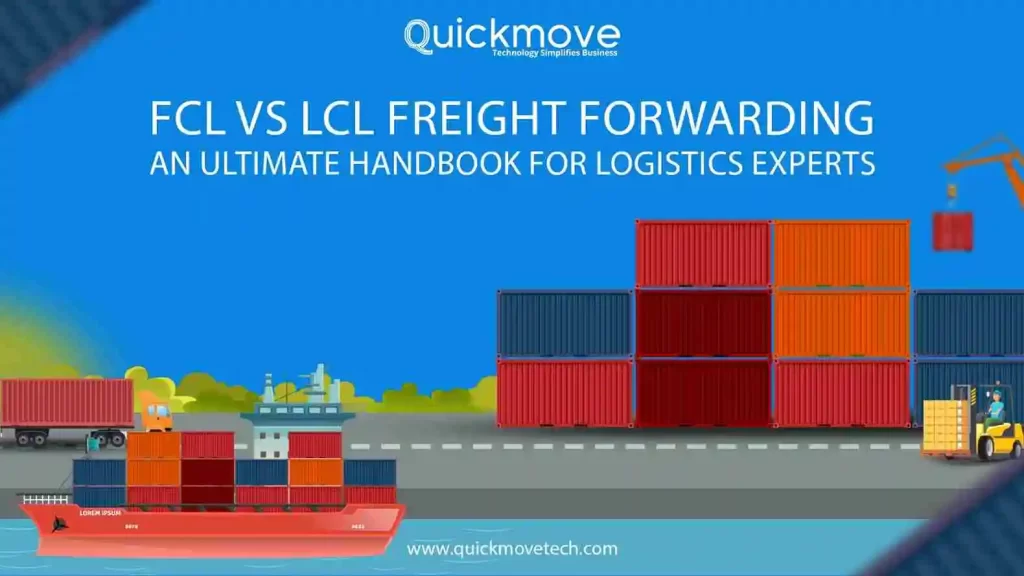
In international trade and shipping, the selection of the proper container shipment type is essential to achieving cost-effectiveness, speed of delivery, and safety of cargo. Two of the most widely used container shipping methods are FCL (Full Container Load) and LCL (Less than Container Load). Both have their own benefits and are utilized based on the volume, expense, urgency, and nature of goods for shipment.
In this blog, we explain the distinction between FCL and LCL, their types, definitions, uses in various industries, and the way digital freight forwarder software can automate the entire shipping process.
What is Full Container Load (FCL)?
FCL (Full Container Load) is a shipment where in an entire container is reserved for the freight of a single shipper. Whether or not filled to capacity is irrelevant; the shipper has exclusive use of the container and does not have to share it with other shippers’ freight.
Main Features:
- One shipper’s dedicated container
- Sealed and delivered directly from source to destination
- Suitable for bulk, delicate, or valuable shipments
What is LCL (Less than Container Load)?
LCL or Less than Container Load is a practice whereby cargo belonging to various shippers is grouped into one container.The cargo owner pays for the space the cargo occupies, hence the economical option for low-volume shipping.
Main Features:
- One shipper’s sole container
- Closed and shipped directly from origin to destination
- Ideal for bulk, fragile, or high-value shipments
Containers Used for FCL and LCL
FCL and LCL both utilize standardized container sizes depending on the requirements of the cargo. The most frequent types of containers are:
20- foot Container (TEU) – Used mostly in both FCL and LCL for general cargo.
40-foot Container (FEU) – Used for large volume cargoes (largely FCL).
40-foot High Cube Container – Adds extra height for bulky cargo.
Reefer Container – For temperature-controlled cargo like food or medicine.
Flat Rack/Open Top Container – For bulky or irregular cargo.
Industry Uses: Where FCL and LCL are used?
Both modes of shipment are widely used in various industries according to the nature, speed, and volume of the products being imported or exported.
LCL Industries Used:
SMEs & Startups: Small volume import/export businesses.
Fashion & Apparel: Periodic or sample shipments.
E-commerce: Low volume product restocking.
Food & Beverage: Small perishable loads.
New freight forwarding software assists with both shipment types by automating bookings, space administration, rate comparison, and monitoring.
FCL vs. LCL: A Comparative Table
| Feature | FCL (Full Container Load) | LCL (Less than Container Load) |
| Cargo Ownership | Single shipper | Multiple shippers |
| Cost Efficiency | Best for high volume | Best for low volume |
| Transit Time | Faster | Slightly longer |
| Risk of Damage | Lower | Higher due to cargo mixing |
| Container Handling | Minimal | Multiple handling points |
| Customs Clearance | Simpler | More complex |
Benefits of FCL Shipping
- Faster Delivery – FCL containers are shipped directly with minimal delays.
- More Secure – Dedicated space means no cargo mixing, reducing damage or theft.
- Simplified Customs Process – With only one consignee, customs procedures are easier.
- Cost-Efficient (for large shipments) – Per unit shipping cost is lower in bulk.
Benefits of LCL Shipping
- Cost-Effective for Small Loads – Pay only for the space you use.
- Flexible Shipping – No need to wait for full container load; ship anytime.
- Ideal for Small Businesses – Low-risk shipping for low-volume products.
- Saves Storage – Useful for just-in-time inventory and short-term demand.
How Freight Forwarding Software Helps with FCL and LCL
Managing FCL and LCL shipments manually can be complex, involving multiple steps like documentation, cargo tracking, space booking, rate negotiation, and customer communication. This is where advanced freight forwarding software becomes essential.
Here’s how freight forwarders can benefit:
For FCL:
- Automated Booking: Instantly book entire containers and reserve space.
- Container Tracking: Real-time GPS tracking from warehouse to delivery point.
- Documentation Management: Auto-generate and manage Bill of Lading, commercial invoice, and customs papers.
- Customer Visibility: Send live updates to clients with one click.
For LCL:
- Cargo Consolidation Tools: Easily plan shared containers across multiple shippers.
- Cost Splitting and Profit Calculation: Manage shared freight costs for accurate billing.
- Real-Time Updates: Notify all shippers about status, ETAs, and changes.
With integrated platforms like QuickMove Technologies’ freight forwarding software, you can handle both FCL and LCL seamlessly under one dashboard, improving customer satisfaction and reducing operational errors.
Conclusion
Understanding the difference between Air Waybill and Bill of Lading is essential for anyone involved in international shipping. Whether you’re a freight forwarder, logistics manager, or supply chain professional, selecting the correct document ensures smooth operations, regulatory compliance, and proper cargo delivery.
By leveraging freight forwarding software, companies can automate, track, and manage these documents more efficiently—streamlining logistics workflows across industries like automotive, pharma, electronics, retail, and manufacturing.