Email Us
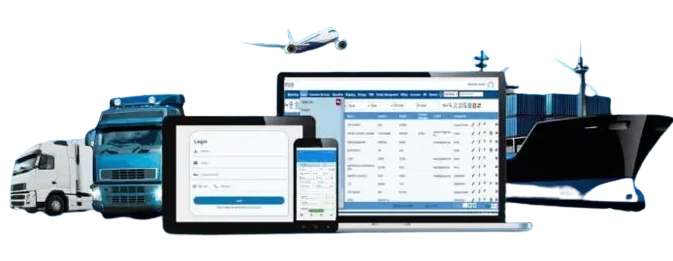
 Freight Forwarding Software
 Warehouse Management System
 Transport Management System
 Moving/Removal Software
 Customer Service Portal
 Move Survey Quote Pro
 Digital Logistics Inventory App
Expanding into a new market sounds exciting. New customers. New trade lanes. New revenue streams. But anyone who has worked in freight forwarding knows the reality is not that simple.
Entering a new country or region means new regulations, new documentation requirements, new partners, new currencies, and often, new expectations from customers. What works in your current market may not work somewhere else.
This is where freight forwarding software stops being an optional tool and becomes a growth engine.
In this detailed guide, we will explore how freight forwarding software supports real business expansion into new markets.
Why Expanding into New Markets Is Challenging for Freight Forwarders
Before understanding how software helps, we need to look at what actually makes expansion difficult.
When a freight forwarding company enters a new market, it faces:
- Different customs regulations
- New tax structures and duties
- Different documentation formats
- New carrier networks
- Language barriers
- Currency conversion issues
- Unfamiliar compliance rules
- Higher operational risk
Without proper systems in place, expansion can quickly become chaotic.
Many companies try to manage new operations using spreadsheets, emails, and disconnected tools. This approach may work for small volumes. But once shipments increase, errors increase. Delays increase. Costs increase.
Freight forwarding software brings structure to this complexity.
Centralized Control Across Multiple Locations
One of the biggest challenges in expansion is control.
When you open a new branch or partner office in another country, how do you ensure processes are followed correctly? How do you maintain consistency in pricing, documentation, and reporting?
Freight forwarding software centralizes operations. It allows:
- Unified shipment management
- Standardized documentation templates
- Shared rate databases
- Central reporting dashboards
- Controlled user access
Instead of each branch working independently in different systems, everyone works on a single platform.
This creates operational consistency.
When companies use freight forwarding software from QuickMove Technologies, they gain centralized visibility across all branches. Management can monitor shipments, revenue, pending invoices, and operational performance from one place.
This level of control is critical during expansion.
Simplifying International Compliance
Every country has its own compliance requirements.
For example:
- Export declarations
- Import documentation
- Bills of lading
- Commercial invoices
- Packing lists
- Certificates of origin
- Customs duty structures
Mistakes in documentation can lead to cargo holds, penalties, and damaged customer relationships.
Freight forwarding software helps reduce compliance risks by:
- Automating document generation
- Storing country-specific document formats
- Maintaining audit trails
- Tracking regulatory changes
- Keeping historical shipment records
When entering new markets, compliance is not optional. It is essential for survival.
A system like the freight management software from QuickMove Technologies supports structured documentation workflows. This reduces dependency on manual data entry and helps teams follow correct procedures.
Faster Onboarding of New Teams
Expansion often requires hiring new staff in new locations.
Training new employees on manual systems is time-consuming. Every mistake can lead to shipment delays or financial loss.
Freight forwarding software standardizes processes. New team members can:
- Follow predefined workflows
- Use structured shipment templates
- Access centralized data
- Generate documents automatically
- Track shipment milestones
This reduces training time and operational errors.
Instead of teaching every detail manually, the system guides the process.
When a company expands using structured software tools, it builds process discipline from day one.
Better Financial Visibility Across Markets
Financial control becomes more complex when expanding internationally.
You must manage:
- Multiple currencies
- Exchange rate fluctuations
- International vendor payments
- Local tax rules
- Profitability by region
- Cost allocation by shipment
Without proper financial tracking, expansion can lead to revenue leakage.
Freight forwarding software integrates operational and financial data. It allows businesses to:
- Track shipment-level profitability
- Monitor outstanding invoices
- Capture all charges accurately
- Manage multi-currency billing
- Generate financial reports by branch
This financial transparency protects margins during growth.
The freight forwarder software developed by QuickMove Technologies helps businesses monitor revenue and costs in real time, ensuring that expansion does not reduce profitability.
Improving Customer Experience in New Markets
When entering a new market, reputation matters.
New customers do not know your brand yet. They judge you based on:
- Response time
- Shipment updates
- Documentation accuracy
- Transparency
- Communication
Freight forwarding software improves customer experience by offering:
- Real-time shipment tracking
- Automated status updates
- Customer portals
- Faster document sharing
- Clear invoice generation
Customers feel more confident when they can see shipment progress without repeatedly calling your team.
In competitive international markets, transparency builds trust.
Supporting Multi-Modal and Cross-Border Operations
Expansion often means handling:
- Air freight
- Sea freight
- Road transport
- Rail movements
- Cross-border shipments
Managing multiple modes manually increases risk.
Freight forwarding software integrates different transport modes into one system. This allows:
- Unified shipment tracking
- Seamless coordination
- Consolidation management
- Container tracking
- Milestone monitoring
Instead of switching between tools, operations teams work in one environment.
This improves efficiency and reduces communication gaps.
Scalable Operations Without Increasing Overhead
A common fear during expansion is rising costs.
Hiring more staff, renting office space, and increasing infrastructure can reduce profitability.
Freight forwarding software supports scalability by:
- Automating repetitive tasks
- Reducing paperwork
- Minimizing manual coordination
- Lowering error correction costs
- Improving task allocation
With automation, a company can handle higher shipment volumes without proportionally increasing headcount.
The freight software from QuickMove Technologies is designed to handle growing shipment volumes, making it suitable for companies planning regional or international expansion.
Data-Driven Market Entry Decisions
Expansion should not be based on assumptions.
Freight forwarding software collects valuable operational data such as:
- Shipment volumes by lane
- Revenue by trade route
- Customer demand trends
- Seasonal patterns
- Carrier performance metrics
- Profit margins by segment
This data helps management identify which markets are worth entering.
Instead of guessing, companies can analyze real numbers.
For example:
- Are shipments increasing toward a specific country?
- Is a particular trade lane generating high margins?
- Is customer demand growing in a neighboring region?
Data-backed expansion reduces risk.
Enhancing Collaboration with Global Partners
When entering new markets, freight forwarders rely on:
- Overseas agents
- Customs brokers
- Local carriers
- Warehouse partners
Poor coordination with partners can create delays.
Freight forwarding software improves collaboration by:
- Sharing shipment details digitally
- Allowing document uploads
- Providing milestone tracking
- Maintaining communication logs
- Ensuring document consistency
When everyone works on the same system or connected platform, errors reduce significantly.
Reducing Operational Risk During Growth
Growth increases exposure.
More shipments mean:
- Higher financial risk
- More compliance exposure
- Greater customer expectations
- Increased operational pressure
Freight forwarding software reduces risk by:
- Maintaining complete shipment histories
- Creating audit trails
- Standardizing procedures
- Automating reminders and alerts
- Tracking exceptions
Structured systems make operations predictable.
Building Brand Credibility in New Regions
When entering a new market, professionalism matters.
Customers notice when a freight forwarder:
- Provides organized documentation
- Sends structured invoices
- Shares digital tracking links
- Responds quickly
- Maintains consistent communication
Freight forwarding software enhances brand perception.
It shows that the company operates with modern systems and process discipline.
The freight forwarding software provided by QuickMove Technologies helps businesses present themselves as structured and reliable logistics partners in new markets.
Managing Rate Contracts and Pricing Strategically
In new markets, pricing errors can be costly.
Freight forwarding software helps manage:
- Carrier rate contracts
- Surcharges
- Seasonal pricing
- Customer-specific pricing
- Margin calculations
Accurate rate management protects profitability.
When pricing is centralized, branches cannot unintentionally underquote or miscalculate charges.
Enabling Faster Market Penetration
Speed matters in expansion.
If it takes months to set up processes manually, competitors may capture the market first.
Freight forwarding software accelerates setup by:
- Offering predefined workflows
- Using document templates
- Integrating with existing systems
- Standardizing financial structures
This shortens the time required to become operational in a new region.
Supporting Long-Term Strategic Growth
Expansion is not a one-time event.
It is an ongoing strategy.
Freight forwarding software supports long-term growth by:
- Providing historical analytics
- Identifying operational inefficiencies
- Monitoring branch performance
- Tracking customer retention
- Measuring profitability trends
Companies that expand without data struggle to sustain growth.
Companies that expand with structured systems build stable foundations.
Real-World Experience Matters
When discussing business expansion, practical experience is important.
Freight forwarding operations involve real-world complexity:
- Delayed vessels
- Customs inspections
- Rate changes
- Customer disputes
- Documentation errors
Software cannot eliminate every challenge. But it can reduce confusion and provide clarity.
Choosing a system from an experienced provider such as QuickMove Technologies ensures that the platform is built with industry understanding.
This matters when entering new markets.
Expansion Requires Structure, Not Just Ambition
Entering new markets is a major milestone for any freight forwarding company.
But ambition alone is not enough.
Expansion requires:
- Process discipline
- Financial visibility
- Compliance control
- Scalable operations
- Data-driven decisions
- Strong customer communication
Freight forwarding software acts as the backbone that supports all these areas.
Without structured systems, growth can create chaos. With the right technology, growth becomes manageable and strategic.
If your company is planning to enter new regions, increase trade lanes, or expand internationally, investing in reliable freight forwarding software is not just a technology upgrade. It is a business expansion strategy.
The right software for freight forwarders allows you to grow confidently, serve customers efficiently, protect margins, and build a strong presence in new markets.
And in today’s competitive logistics industry, that structure makes all the difference.