Email Us
 Freight Forwarding Software
 Warehouse Management System
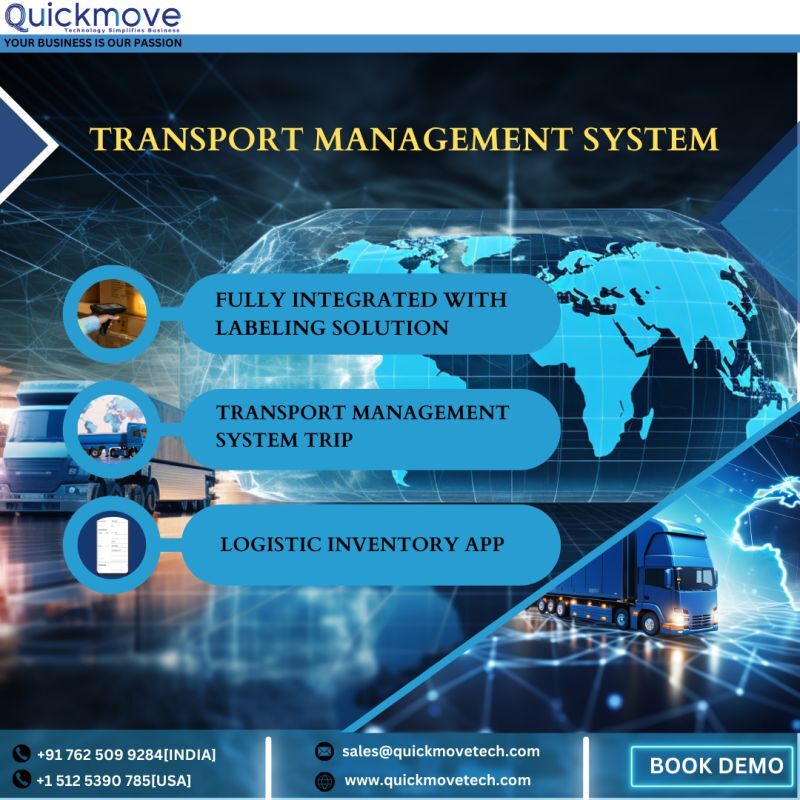
 Transport Management System
 Moving/Removal Software
 Customer Service Portal
 Move Survey Quote Pro
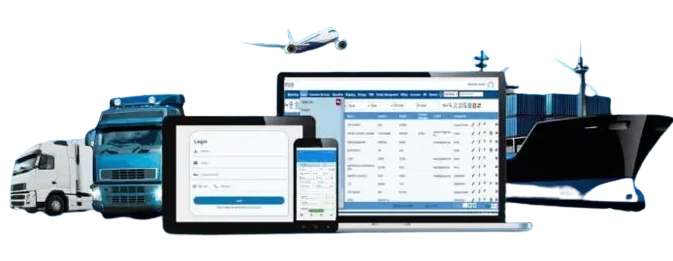
 Digital Logistics Inventory App
Companies that handle logistics, shipping, or supply chains know that moving goods on time and keeping costs low is a constant challenge. This is where Transport Management Systems (TMS) come into play. But what exactly are TMS solutions, why are they becoming a must-have for businesses of all sizes, and how does transport management system work? Let’s dive in.
What is a Transport Management System?
Transport Management System, or TMS, is a software solution designed to help businesses plan, execute, and optimize the movement of goods. Whether it’s shipping products to customers, transferring stock between warehouses, or managing third-party carriers, a TMS provides the tools to handle the entire logistics process efficiently.
At its core, a TMS acts like a control center for transportation. It keeps track of shipments, monitors delivery status, calculates the most cost-effective routes, and ensures that goods move smoothly from point A to point B.
Why Businesses Need a TMS
For many businesses, logistics is one of the most complex and expensive parts of operations and utilizing a TMS can provide many benefits. The transportation management system market is projected to grow to USD 37.04 billion by 2030. Here’s why adopting a TMS can make a real difference:
1. Streamlined Operations
Without a TMS, businesses often rely on manual processes like spreadsheets, phone calls, and emails to manage transportation. This approach is not only time-consuming but prone to human error. A TMS automates these processes, allowing companies to plan shipments, allocate resources, and track deliveries from a single platform. This reduces mistakes and frees up time for teams to focus on higher-value tasks.
2. Cost Reduction
Transport costs can quickly eat into profits if not managed properly. A TMS can help companies find the most efficient routes, consolidate shipments, and optimize load planning. By reducing empty miles, avoiding unnecessary detours, and minimizing delays, businesses can save a significant amount of money over time.
3. Improved Customer Experience
In the modern marketplace, customers expect fast and reliable delivery. A TMS helps companies provide accurate delivery estimates, real-time tracking updates, and quick responses to potential delays. This level of transparency builds trust and loyalty, which is invaluable in a competitive market.
4. Data-Driven Decision Making
One of the biggest advantages of a TMS is the ability to collect and analyze transportation data. Businesses can monitor performance metrics such as delivery times, fuel usage, and carrier efficiency. This insight allows companies to make informed decisions, predict potential problems, and continuously improve their logistics operations.
5. Compliance and Risk Management
Shipping and transportation are heavily regulated in many regions. From safety standards to environmental regulations, keeping up with compliance can be overwhelming. A TMS can automatically ensure that shipments meet legal requirements, maintain accurate documentation, and reduce the risk of fines or delays.
Key Features of a Modern TMS
To truly unlock the benefits, it’s important to understand what makes a Transport Management System Software effective. Here are some essential features:
- Route Optimization: Calculates the fastest and most cost-effective routes for shipments.
- Carrier Management: Helps businesses select the right carriers based on cost, performance, and reliability.
- Real-Time Tracking: Provides live updates on shipment status, allowing for proactive problem-solving.
- Load Planning: Ensures that shipments are packed and transported efficiently to maximize vehicle utilization.
- Reporting and Analytics: Offers detailed insights into transportation performance for continuous improvement.
- Integration Capabilities: Works seamlessly with other business systems like ERP, inventory, and warehouse management software.
Industries Benefiting from TMS
Transport Management Systems are versatile and can serve a variety of industries, including:
- Retail and E-commerce: Fast and accurate delivery is crucial for customer satisfaction.
- Manufacturing: Efficient transportation ensures raw materials and finished products move smoothly along the supply chain.
- Food and Beverage: Freshness and timely delivery are vital, making route optimization critical.
- Healthcare and Pharmaceuticals: Ensures sensitive or temperature-controlled products are transported safely.
Even small businesses can benefit from a TMS, as it levels the playing field by allowing them to compete with larger companies in terms of efficiency and reliability.
The Future of Transport Management
Technologies like AI, machine learning, and IoT (Internet of Things) are transforming how transportation is managed. Modern transportation management system platforms are increasingly using these technologies to predict delays, optimize routes dynamically, and even automate carrier selection.
Sustainability is also becoming a priority. Companies are looking for ways to reduce fuel consumption, lower carbon emissions, and improve eco-friendly shipping practices. Advanced TMS solutions can track environmental impact and suggest greener alternatives, helping businesses meet both regulatory and societal expectations.
How to Choose the Right TMS
Not all TMS platforms are created equal. Choosing the right solution requires careful consideration of business needs:
- Scalability: Ensure the system can grow with your business.
- Ease of Use: A user-friendly interface reduces training time and adoption hurdles.
- Customization: The ability to tailor features to your specific operations is a major advantage.
- Integration: Check if the TMS can integrate smoothly with existing systems.
- Support and Reliability: Look for providers that offer strong customer support and regular updates.
Conclusion
Transport Management Systems are a strategic tool for businesses looking to improve efficiency, reduce costs, and enhance customer satisfaction. A TMS empowers companies to make smarter decisions and stay ahead in today’s competitive market by automating processes, providing real-time insights, and optimizing transportation operations.
For businesses looking to unlock these benefits, QuickMove Technologies’ Transport Management System offers a comprehensive and user-friendly solution that can transform the way you manage your transportation operations. With tools for route optimization, tracking, and data analysis, it’s designed to help businesses succeed efficiently and sustainably.