Email Us
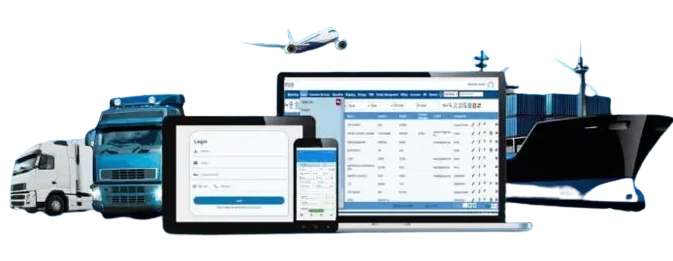
 Freight Forwarding Software
 Warehouse Management System
 Transport Management System
 Moving/Removal Software
 Customer Service Portal
 Move Survey Quote Pro
 Digital Logistics Inventory App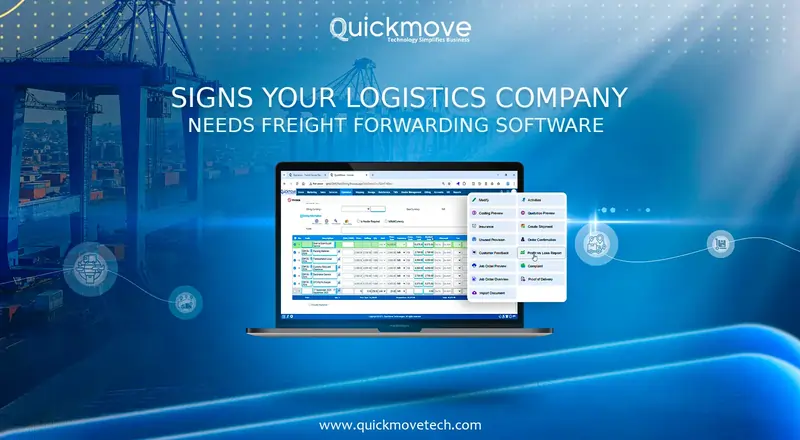
The logistics industry has become increasingly complex in recent years. Freight forwarders must manage several carriers, international regulations, client expectations, documentation requirements, and cargo tracking in order to maintain profitability and operating efficiency.
Many logistics companies still manage their daily operations using spreadsheets, emails, and manual processes. These methods may work well for smaller shipments, but they often become major obstacles as businesses grow.
If your team is spending more time managing processes than moving cargo, it might be time to consider a state-of-the-art freight forwarding software solution. Early identification of the warning signs can help your business reduce costs, boost output, and improve customer satisfaction.
This article will cover the key signs that your logistics company needs a freight forwarding management system, as well as how the right technology could completely transform your company.
1. Manual Processes Are Slowing Down Your Operations
When your staff members spend hours on boring administrative work, it’s one of the most evident indicators.
Many logistics firms continue to run their businesses using:
- Spreadsheets
- Emails
- Documents on paper
- Monitoring shipments by hand
- Several disjointed systems
These procedures waste important staff time and raise the possibility of mistakes.
Routine processes including document creation, invoicing, status updates, and shipment creation are automated by a contemporary freight software solution.
Your team may now concentrate on customer service and business expansion rather than tedious data entry.
2. Your Customers Frequently Request Shipment Updates
Today’s customers expect to see their shipments in real time.
If your operations team spends a significant portion of their day responding to requests such as:
- What happened to my shipment?
- Has the shipment departed?
- Is there a delay?
- When will it be delivered?
It’s possible that your current process isn’t meeting customer expectations.
A trustworthy freight forwarding software platform provides centralized shipment visibility, automated notifications, and real-time tracking. Customers receive updates faster, and your employees spend less time responding to frequently asked queries.
3. Document Management Has Become Difficult
In freight forwarding, a lot of important documentation must be managed, such as:
- Bills of Lading
- Air Waybills
- Business Invoices
- Packing lists
- Documentation related to customs
- Orders for Delivery
Finding the correct information becomes difficult when documents are spread over several files, email threads, and platforms.
All shipment-related paperwork is centralized in one place by a freight forwarding management system, making it simple to access, arrange, and distribute them. This expedites operations, lowers errors, and enhances compliance.
4. Operational Costs Continue to Increase
Rising operating costs are frequently the result of inefficient operations.
Typical cost-causing factors include:
- Errors made by hand
- Shipments that are delayed
- Entering data twice
- An excessive amount of administrative work
- Inadequate use of resources
These minor inefficiencies can eventually have a big effect on profitability if they are not properly automated.
By streamlining processes, cutting down on manual labor, and increasing operational effectiveness, the implementation of a contemporary freight software solution eventually lowers total expenses.
5. Your Business Is Growing Faster Than Your Current Systems
Although growth is a good thing, it can also reveal flaws in your operational procedures.
As the volume of shipments rises, you might start to notice:
- Deadlines missed
- Slow customer responses
- A heavier workload for employees
- A higher frequency of mistakes
- Having trouble overseeing several shipments at once
It might be time to upgrade if your present systems are unable to grow with your company.
Logistics firms can handle larger shipment volumes with cloud-based freight forwarding software without appreciably raising operational complexity.
6. Multiple Systems Are Creating Data Silos
Many logistics companies use various tools for:
- Activities
- Accounting
- Customer management
- Documents
- Communication
As a result, information is scattered across multiple platforms.
Employees often squander valuable time while transferring data across systems by hand.
An all-inclusive freight forwarding management system creates a single platform where all departments can access the same data in real time. This improves teamwork, accuracy, and productivity across the entire organization.
7. You Lack Visibility Into Business Performance
Are you able to respond to inquiries like:
- Which clients bring in the most money?
- Which trading routes yield the highest profits?
- Where are there operational bottlenecks?
- How productive is your group?
If not, your ability to make decisions may be restricted by your existing system.
Modern freight software has sophisticated analytics and reporting capabilities that offer insightful information about company performance. Increased visibility aids management in identifying growth possibilities and making well-informed decisions.
8. Compliance and Regulatory Requirements Are Becoming Harder to Manage
International logistics requires high compliance and documentation standards.
Manually handling trade requirements, customs laws, and shipment paperwork raises the danger of:
- Violations of compliance
- Delays in shipments
- Problems with customs
- Monetary fines
Standardizing procedures, keeping correct records, and guaranteeing regulatory compliance throughout international operations are all made possible by a strong freight forwarding software solution.
Why Modern Logistics Companies Are Investing in Freight Forwarding Software
The logistics industry is becoming increasingly computerized. Consumers expect seamless communication throughout the shipping process, improved transparency, and faster service.
When logistics companies implement a modern freight forwarding management system, they can:
- Automate repetitive tasks
- Make shipments more visible
- Lower operating expenditures
- Enhance customer service
- Increase output
- Improve compliance management
- Scale operations efficiently
These advantages help freight forwarders stay competitive in an increasingly cutthroat market.
How QuickMove Technologies Helps Logistics Companies
As logistics operations become more complicated, firms want a solution tailored specifically to freight forwarding workflows.
The freight forwarding software from QuickMove Technologies assists logistics firms in streamlining operations by:
- Complete shipment management
- Shipment visibility in real time
- Documentation that is automated
- Management of freight quotations
- Automation of billing and invoices
- Support for multimodal freight
- Operational control that is centralized
- Sophisticated analytics and reporting
QuickMove Technologies assists freight forwarders in increasing productivity, cutting expenses, and providing outstanding customer service by digitizing and automating crucial logistics procedures.
Conclusion
Your logistics organization may have outgrown old ways if it has manual operations, disjointed systems, rising expenses, and restricted visibility.
Investing in a cutting-edge freight forwarding software system can assist revolutionize your business if your staff is finding it difficult to meet rising shipment quantities and client requests.
In addition to increasing productivity and profitability, a strong freight forwarding management system sets up your company for long-term success in the cutthroat logistics market of today.