Email Us
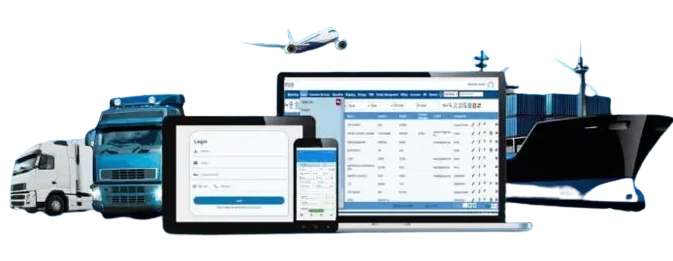
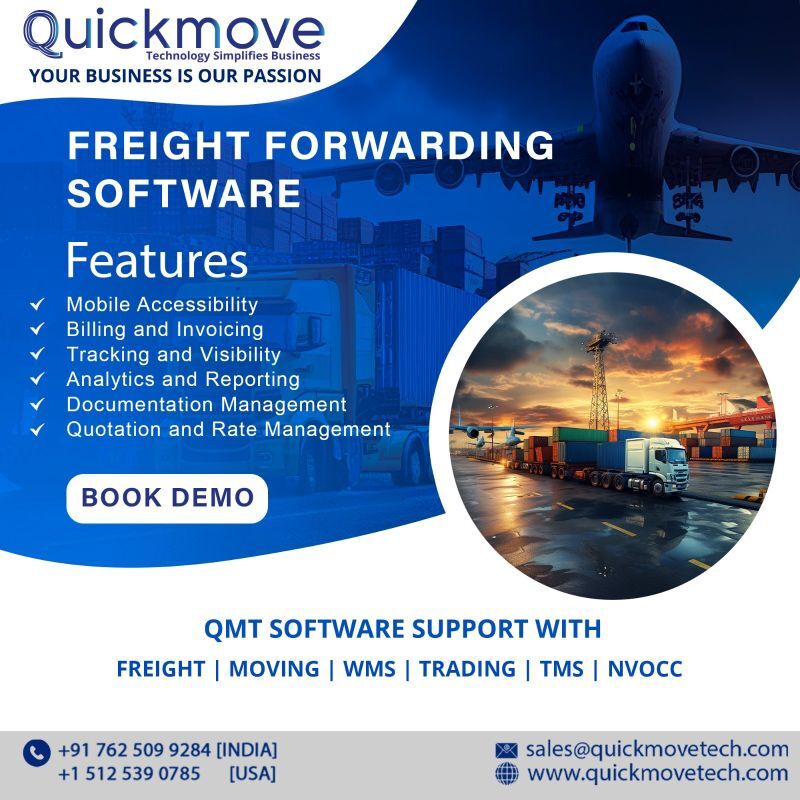
 Freight Forwarding Software
 Warehouse Management System
 Transport Management System
 Moving/Removal Software
 Customer Service Portal
 Move Survey Quote Pro
 Digital Logistics Inventory App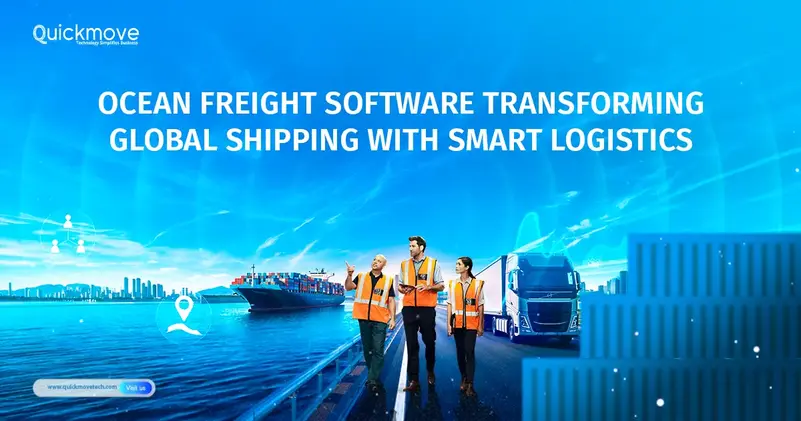
Ocean freight is one of the most crucial modes of transportation for transferring products around the world as international trade keeps expanding. Businesses depend on sea freight because it provides a cost-effective and effective way to ship big loads across international borders.
Documentation, cargo planning, customs clearance, shipment tracking, invoicing, and communication with carriers are just a few of the procedures involved in managing maritime shipments. Manually completing these procedures might result in poor visibility, expensive errors, and delays.
This is the point at which logistics companies and freight forwarders need Ocean Freight Software.
Our cloud-based freight forwarding software from QuickMove Technologies enables logistics firms automate every aspect of their ocean freight operations, increasing productivity, accuracy, and client satisfaction.
What is Ocean Freight Software?
To simplify every stage of international sea freight operations, a digital platform known as Ocean Freight Software was developed. Instead of relying on spreadsheets, emails, and several systems, logistics companies can manage everything from a single platform.
Modern ocean freight management software allows businesses to:
- Control reservations
- Real-time container tracking
- Produce shipping paperwork
- Make invoices automatically
- Keep track of shipment milestones
- Oversee customer correspondence
- Enhance the visibility of operations
- Verify adherence to international shipping laws
Why Freight Forwarders Need Ocean Freight Management Software
Managing manual activities becomes more challenging as shipment volumes rise.
Businesses can benefit from an integrated freight forwarding management system by:
- Cut down on paperwork
- Boost the visibility of shipments
- Accelerate the documentation process
- Reduce operational mistakes
- Monitor the profitability of each shipment
- Improve client support
- Boost departmental cooperation
Types of Cargo Transported Through Ocean Freight
Numerous types of merchandise can be transported thanks to ocean freight.
Typical cargo consists of:
- Consumer products
- Industrial machinery
- Equipment
- Electronic devices
- Furnishings
- Automobile components
- Chemicals
- Products from agriculture
- Food items
- Unprocessed materials
For economical long-distance transportation of large, heavy, or high-volume items, ocean freight is the best option. To ensure safe and effective transportation, various types of shipping containers are employed, depending on the characteristics of the cargo and the handling needs.
Types of Ships Used in Ocean Freight
Different types of vessels are needed for different sorts of cargo.
Typical ocean freight ships consist of:
Ships with containers: The most popular ships for moving conventional containers over international commercial routes.
Ships for General Cargo: Intended for bulk and multimodal cargo transportation.
Roll-on/Roll-off Ships: Mostly used to move large gear and automobiles.
Tankers: Specialized vessels for the transportation of chemicals, liquefied gasses, and oil.
The type of cargo, shipping route, and delivery needs all influence the choice of vessel.
How Technology is Changing Ocean Freight
Digital technology have been quickly embraced by the shipping sector to increase operational effectiveness.
Contemporary Freight Logistics Software offers:
- Real-time tracking of shipments
- Automated updates for milestones
- Electronic records
- Portals for customers
- The visibility of containers
- Knowledgeable reporting
- Dashboards for performance
- Automated processes
These features enable freight forwarders to handle shipments more effectively while giving clients total transparency all the way through the shipping process.
What Factors Influence Ocean Freight Rates?
Because of various market situations, ocean freight prices fluctuate throughout the year.
The following are important pricing factors:
Fuel Prices: Freight costs are directly impacted by changes in the price of gasoline worldwide.
Availability of Capacity: Shipping expenses rise when demand is high and vessel capacity is constrained.
Exchange Rates for Currency: Global currency changes have an impact on international freight transactions.
Demand by Season: Due to increasing cargo quantities, peak shipping seasons frequently result in higher freight costs.
Freight forwarders can increase profitability and make more accurate cost estimates by being aware of these aspects.
Benefits of Using QuickMove Ocean Freight Software
Logistics firms may streamline complicated freight processes with QuickMove
Technologies’ all-inclusive Ocean Freight Software solution.
Important characteristics consist of:
- Complete handling of freight forwarding
- Planning and carrying out shipments
- Management of ocean imports and exports
- Documentation that is automated
- Astute bookkeeping and invoicing
- Tracking containers
- The customer portal
- Shipment visibility in real time
- Automation of workflow
- Analytics and reporting
- Operations involving many branches
- CRM and ERP integration
Freight forwarders can use a single, centralized system to handle every shipment, from booking to final delivery, thanks to our cloud-based platform.
Why Choose QuickMove Technologies?
We offer a comprehensive freight forwarding program made especially for logistics companies.
QuickMove assists you in managing freight via road, air, sea, or multimodal:
- Boost the effectiveness of operations
- Cut down on manual labor
- Boost the visibility of shipments
- Automate documentation and billing.
- Improve client experiences
- Grow your logistics company with assurance
QuickMove, which is trusted by logistics firms all around the world, gives freight forwarders access to cutting-edge technology so they can remain competitive in the rapidly evolving logistics sector.
Conclusion
One of the most dependable and economical ways to conduct international trade is still via ocean freight. But in today’s cutthroat economy, manually handling intricate shipping processes is no longer viable.
Freight forwarders may automate processes, enhance shipment visibility, lower operating costs, and provide outstanding customer service by utilizing intelligent ocean freight software.