Email Us

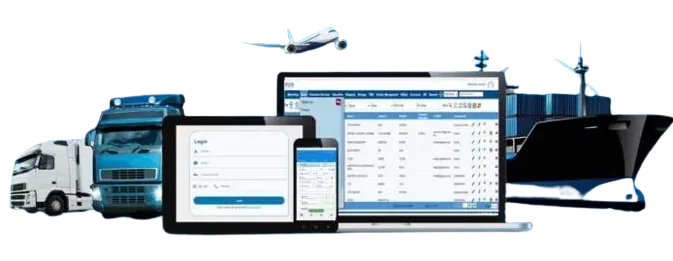
 Freight Forwarding Software
 Warehouse Management System
 Transport Management System
 Moving/Removal Software
 Service Portal
 Move Survey Quote Pro
 Digital Logistics Inventory App
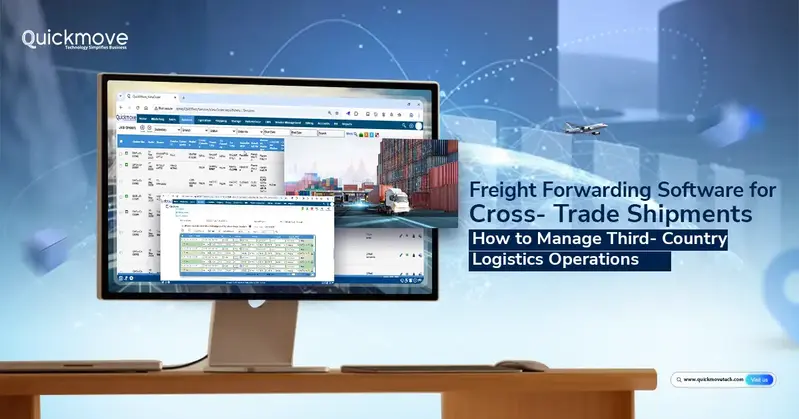
International freight forwarding is no longer limited to moving goods between a company’s home country and its customers. Many freight forwarders now coordinate shipments between two foreign countries without the cargo entering their own country.
These transactions are known as cross-trade shipments, and they require careful coordination between suppliers, shipping agents, carriers, customs authorities, and customers.
Managing such shipments through spreadsheets, emails, and disconnected systems can create documentation errors, shipment delays, and unexpected expenses.
This is where freight forwarding software becomes valuable. A centralized digital platform helps logistics companies manage international shipments, monitor transportation activities, organize documentation, and maintain financial visibility.
For freight forwarders handling multiple international trade routes, understanding cross-trade operations is essential for maintaining control over shipments and profitability.
What Are Cross-Trade Shipments in Freight Forwarding?
Cross-trade shipping refers to a logistics arrangement in which a freight forwarder manages cargo transportation between two countries while operating from a third country.
Unlike traditional import or export shipments, the goods do not need to enter the freight forwarder’s home country.
How Digital Freight Forwarding Software Simplifies Cross-Trade Operations
The company must communicate with the Chinese supplier, shipping carrier, destination agent, and customer while managing the necessary documentation and financial transactions.
Although the transportation route may appear straightforward, the operational process involves several parties across different countries.
A digital freight forwarding software solution helps bring these activities into one system, reducing dependence on scattered communication and manual records.
Why Are Cross-Trade Shipments Difficult to Manage?
Cross-trade freight forwarding introduces operational challenges because the company responsible for coordinating the shipment may not have a physical presence at either the origin or destination.
1. Coordination Between Multiple International Agents
A single cross-trade shipment may involve an origin agent, shipping carrier, destination agent, supplier, and consignee.
When shipment information is exchanged through separate emails and messaging platforms, important updates may be missed.
This can lead to delayed bookings, incorrect delivery instructions, and confusion over shipment responsibilities.
2. Complex Shipping Documentation
International shipments require documents such as:
- Commercial invoices
- Packing lists
- Bills of Lading or Air Waybills
- Shipping instructions
- Certificates of origin, where applicable
- Customs-related documentation
3. Limited Shipment Visibility
When cargo moves directly between two foreign countries, freight forwarders depend heavily on overseas agents and carriers for shipment updates.
Without a centralized tracking system, employees may spend considerable time requesting information about vessel departures, cargo arrivals, and delivery status.
4. Managing International Costs and Profitability
Cross-trade shipments may involve different currencies, overseas agent charges, freight rates, documentation fees, and destination handling costs.
If these expenses are maintained in separate files, identifying the actual profit earned from each shipment becomes difficult.
How Freight Forwarding Software Simplifies Cross-Trade Shipment Management
A freight forwarding management system connects operational activities, shipment documentation, customer communication, and financial records within a centralized platform.
This helps freight forwarding companies coordinate third-country shipments without relying entirely on manual processes.
Centralized Shipment Booking and Job Management
Every cross-trade shipment requires accurate information about the shipper, consignee, cargo, origin, destination, and transportation arrangements.
Freight forwarding software helps organize these details within individual shipment records.
Instead of maintaining separate spreadsheets for bookings and shipment updates, operations teams can access relevant information from one location.
This improves coordination between sales, operations, and accounting departments.
Digital Shipping Documentation
Documentation errors can create significant problems in international freight forwarding.
A digital system helps employees prepare and manage shipping documents using information maintained within the shipment record.
For example, QuickMove Freight Forwarding Software supports the generation of Bills of Lading, shipping instructions, invoices, and other operational documents.
This reduces repetitive data entry and helps maintain consistency across shipment records.
However, freight forwarders must still verify documentation against the requirements of the relevant countries, carriers, and customs authorities.
Real-Time Shipment Tracking and Milestone Updates
Shipment visibility is particularly important when the freight forwarder is operating from a different country.
Modern freight management software allows teams to monitor shipment milestones and identify transportation delays.
For example, an operations manager can monitor:
- Cargo booking confirmation
- Shipment departure
- Transit milestones
- Estimated arrival
- Destination handling progress
- Final delivery confirmation
QuickMove provides shipment tracking, status notifications, and alerts that help logistics teams monitor freight movements across transportation stages.
With better shipment visibility, companies can communicate more effectively with customers and respond to operational exceptions.
Managing Freight Rates and Profitability in Third-Country Logistics
Cross-trade shipments involve more than coordinating cargo transportation. Freight forwarders must also manage the financial relationship between overseas vendors and customers.
Freight Rate Management and Customer Quotations
Consider a freight forwarder coordinating a shipment from China to the UAE.
The company may receive freight charges from a Chinese shipping agent and prepare a quotation for a customer in another country.
The quotation may include ocean freight, origin handling, documentation charges, destination services, and the forwarder’s service margin.
A centralized quotation and rate management system helps freight forwarders maintain vendor pricing and prepare customer quotations with greater consistency.
QuickMove’s freight forwarding software includes quotation and rate management capabilities for air, sea, and road shipments.
Shipment-Level Profitability Tracking
A shipment may generate revenue but still produce a lower profit than expected because of additional handling charges or unplanned expenses.
Freight forwarders therefore need to compare actual shipment revenue against associated costs.
QuickMove supports shipment-level profitability and cost analysis, helping businesses monitor margins and identify unexpected expenses.
How QuickMove Freight Forwarding Software Supports International Freight Operations
QuickMove Technologies offers cloud-based freight forwarding software designed to connect shipment operations, customer management, billing, documentation, and financial reporting.
Its integrated features can support the operational requirements commonly associated with cross-trade freight forwarding.
Key QuickMove Features for Cross-Trade Operations
1. Quotation and Rate Management
Manage vendor rates and prepare freight quotations for international shipments across air, ocean, and road transportation.
2. Shipment Booking and Operations Management
Maintain shipment details, organize bookings, and coordinate freight operations through centralized records.
3. Shipping Documentation
Generate and manage important freight documents, including Bills of Lading, shipping instructions, and invoices.
4. Shipment Tracking and Notifications
Monitor transportation milestones and receive shipment updates to improve operational visibility.
5. Billing and Accounting Integration
Connect shipment billing, invoices, credit notes, debit notes, and accounting activities to reduce disconnected financial processes.
6. Profitability and Cost Analysis
Monitor shipment costs, revenue, and profitability to support informed pricing and operational decisions.
7. Integrated CRM and Customer Communication
Maintain customer information, manage quotations, and improve communication between commercial and operations teams.
These capabilities help freight forwarders coordinate international operations from a single platform. Companies should confirm any specialized cross-trade requirements, such as document confidentiality rules or multi-currency settlement workflows, during a product demonstration.
Best Practices for Managing Cross-Trade Shipments Efficiently
Freight forwarding companies can improve third-country logistics operations by adopting a structured approach.
Standardize International Shipment Workflows
Establish clear procedures for shipment booking, documentation verification, agent communication, and customer updates.
Maintain Accurate Overseas Agent Records
Keep updated information about origin and destination agents, including contact details, agreed charges, and service responsibilities.
Verify Documentation Before Cargo Movement
Check shipping instructions, consignee details, commercial documents, and carrier requirements before confirming shipment arrangements.
Monitor Shipment Costs Regularly
Review vendor charges, additional expenses, and customer billing throughout the shipment lifecycle rather than waiting until the job is completed.
Use a Centralized Freight Forwarding Platform
A centralized platform reduces dependence on disconnected spreadsheets and makes shipment information more accessible to authorized employees.
Final Thoughts
Cross-trade freight forwarding allows logistics companies to manage international shipments without requiring cargo to pass through their home country.
However, coordinating third-country logistics involves documentation, overseas agents, shipment tracking, customer communication, and financial management.
When these activities are handled through disconnected systems, freight forwarders may face delays, operational confusion, and reduced visibility into shipment profitability.
Investing in freight forwarding software helps companies organize these activities and maintain better control over international freight operations.