Email Us
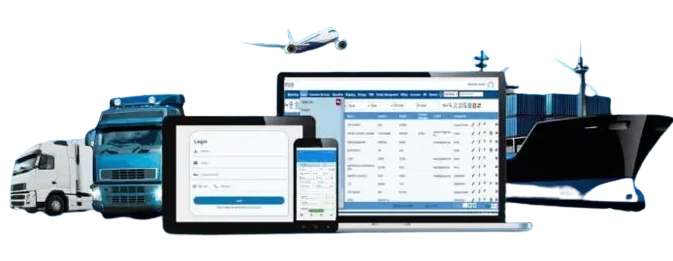
 Freight Forwarding Software
 Warehouse Management System
 Transport Management System
 Moving/Removal Software
 Customer Service Portal
 Move Survey Quote Pro
 Digital Logistics Inventory App
Freight forwarding is a demanding industry where a single shipment may involve multiple carriers, agents, documents, regulations, expenses, and deadlines. Even a small mistake can delay cargo, increase costs, affect customer satisfaction, and reduce profit margins.
Freight forwarding companies must therefore maintain accuracy and visibility throughout their operations. This becomes difficult when employees depend on spreadsheets, emails, phone calls, and disconnected applications.
Modern freight software can simplify these processes by bringing operational and financial information together. However, freight forwarders must first identify the mistakes that prevent them from becoming more efficient and profitable.
Here are four important mistakes that logistics managers and decision-makers should avoid.
Mistake 1: Depending Too Much on Manual Processes
Many freight forwarding companies still enter shipment details manually, prepare documents separately, and update customers through individual emails or phone calls. These methods may work when the business handles only a few shipments, but they become difficult to manage as shipment volumes increase.
Manual processes can create problems such as:
- Repeated data entry
- Incorrect shipment details
- Missing or outdated documents
- Delayed communication
- Slow invoice preparation
- Limited visibility between departments
- Difficulty finding previous records
For example, an incorrect container number or delivery date may affect documentation, tracking, billing, and customer communication. Employees must then spend additional time identifying and correcting the error.
How Freight Software Reduces Manual Work
A centralized freight software platform allows employees to manage enquiries, quotations, bookings, documents, shipment updates, costs, and invoices in one system.
Automation can support everyday activities such as:.
- Converting quotations into bookings
- Generating standard shipping documents
- Recording shipment milestones
- Sending customer notifications
- Tracking important dates
- Preparing invoices
- Creating operational reports
Reducing manual work allows employees to focus on customers, shipment coordination, and business development instead of repeatedly entering the same information.
Mistake 2: Operating Without Clear Shipment Visibility
Customers expect accurate information about the location and status of their cargo. They want to know whether a shipment has departed, whether customs clearance is complete, and when delivery can be expected.
When shipment information is stored across multiple systems, employees may not be able to provide an immediate answer. They may have to contact different departments, carriers, or overseas agents before updating the customer.
Slow or inaccurate updates can reduce customer confidence and create unnecessary complaints.
Why Real-Time Visibility Is Important
A digital freight software solution can help logistics teams monitor important shipment milestones through a central dashboard.
These milestones may include:
- Booking confirmation
- Cargo collection
- Customs clearance
- Port departure
- Transshipment
- Estimated arrival
- Final delivery
Shipment visibility also benefits managers. It gives them a clearer understanding of ongoing activities, potential delays, and employee workloads.
Decision-makers can use real-time information to monitor:.
- Active and completed shipments
- Pending quotations
- Delayed cargo
- Unbilled jobs
- Outstanding customer payments
- Branch performance
- Shipment profitability
When managers have access to current information, they can respond quickly instead of depending on outdated spreadsheets or end-of-month reports.
Mistake 3: Ignoring Costs and Shipment Profitability
Revenue alone does not show whether a freight forwarding business is successful. Companies must understand how much profit they earn from every shipment.
Each job may include several expenses, such as:.
- Carrier charges
- Customs fees
- Port expenses
- Transportation costs
- Handling charges
- Warehousing fees
- Overseas agent payments
- Detention and demurrage charges
Unexpected costs can quickly reduce the profit from a shipment. If these expenses are not recorded correctly, managers may continue offering unprofitable rates without realizing the financial impact.
Compare Estimated and Actual Costs
A reliable digital freight forwarding software platform should help employees record estimated income and costs when preparing a quotation. Once the shipment is completed, managers can compare those estimates with the actual figures.
This comparison can help answer important questions:
- Was the shipment priced correctly?
- Which expenses were higher than expected?
- Which customers provide better profit margins?
- Which routes or services are most profitable?
- Are vendor charges increasing?
- Have all completed jobs been invoiced?
Monitoring profit at the shipment level gives decision-makers a more accurate view of business performance.
Prevent Delayed Invoicing
Delayed invoicing can negatively affect cash flow. When operational and financial information is stored separately, the accounts team may have to wait for shipment details, supplier bills, or supporting documents.
Integrated freight software connects operations with billing. Once the required information is available, employees can prepare accurate invoices faster and reduce the risk of missing important charges.
Mistake 4: Selecting Software Without Considering Future Growth
Choosing freight forwarding technology based only on its initial price can create long-term difficulties. A basic system may support the company today but fail when the business adds users, branches, customers, or services.
Replacing software after a few years can be expensive. It may also interrupt normal operations and require employees to learn another system.
Decision-makers should therefore evaluate both their current needs and future business plans.
What to Look for in Freight Software
Before selecting a platform, logistics managers should check whether it can support:
- Air, sea, road, and multimodal shipments
- Import and export operations
- Customer enquiries and quotations
- Booking and shipment management
- Documentation
- Vendor and agent coordination
- Job costing and profitability
- Invoicing and payment tracking
- Multi-branch operations
- Management dashboards
- Customer communication
- Business reports
The software should also be easy to understand. A complicated platform may offer many features, but it will provide limited value if employees find it difficult to use.
Questions to Ask a Software Provider
Before making a final decision, freight forwarders should ask:
- Can the platform manage our complete freight forwarding process?
- Can it support more users and branches as the business grows?
- Does it reduce duplicate data entry?
- Can reports be customized?
- Does the provider offer training and implementation assistance?
- What data security and access controls are available?
- Can the platform connect with our existing tools?
- How frequently is the software updated?
These questions can help companies select digital freight forwarding software that supports long-term operational requirements.
How Digital Freight Software Supports Business Success
The right software creates a connected working environment for operations, sales, finance, and management teams. Everyone can access the information they need without depending on separate spreadsheets or lengthy email conversations.
A suitable platform can help freight forwarders:
- Process shipments more efficiently
- Reduce documentation errors
- Improve communication between departments
- Respond to customers faster
- Monitor important shipment milestones
- Control operational expenses
- Prepare invoices on time
- Measure profit for every shipment
- Improve reporting and decision-making
- Support business expansion
Digital systems also create consistency. When employees follow a standard process, the company becomes less dependent on individual working methods or employee memory.
Final Thoughts
Success in freight forwarding depends on accuracy, visibility, cost control, customer service, and the ability to make informed decisions. Companies that continue relying on manual and disconnected processes may find it difficult to manage increasing shipment volumes and customer expectations.
Freight forwarders should avoid four major mistakes: excessive dependence on manual work, limited shipment visibility, poor control over costs, and selecting software without considering future growth.