Email Us
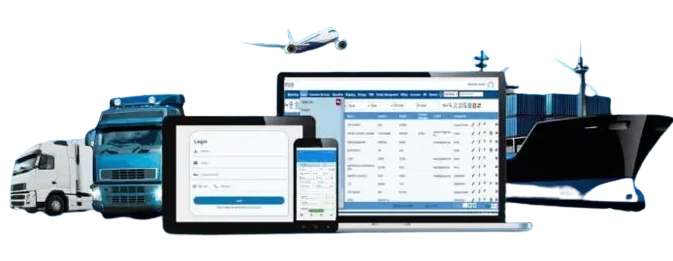
 Freight Forwarding Software
 Warehouse Management System
 Transport Management System
 Moving/Removal Software
 Customer Service Portal
 Move Survey Quote Pro
 Digital Logistics Inventory App
Global trade is growing more complex every year. Regulations change frequently. Customer expectations are higher than ever. Margins are tighter. And supply chains are more vulnerable to disruption.
In this environment, freight forwarding is no longer just about moving cargo from Point A to Point B. It is about precision, compliance, visibility, and control.
Freight forwarding software has emerged as a critical tool for logistics companies that want to operate efficiently, reduce risk, and scale sustainably. In this updated guide, we will take a deeper look at what freight forwarding software is, how it works, why it matters, and how to evaluate the right solution for your business.
What Is Freight Forwarding Software?
Freight forwarding software is a centralized digital platform designed to manage and automate the end-to-end freight forwarding process. It supports activities such as:
- Shipment booking
- Documentation management
- Customs compliance
- Cargo tracking
- Billing and invoicing
- Cost analysis and reporting
- Communication with stakeholders
Instead of managing shipments through spreadsheets, emails, and disconnected systems, freight forwarders can use a single integrated system to control operations from origin to final delivery.
This shift from manual processes to digital workflows significantly improves speed, accuracy, and operational transparency.
Why Freight Forwarding Is Increasingly Complex
Before understanding the benefits of software, it is important to understand the operational challenges freight forwarders face today:
- Multiple modes of transport (air, sea, road, rail)
- Different customs regulations in each country
- Strict compliance requirements
- Rising fuel and carrier costs
- Real-time customer visibility demands
- High documentation volume
- Multi-party coordination (carriers, brokers, warehouses, clients)
Even a small error — such as an incorrect HS code, missing commercial invoice, or inaccurate cargo weight — can cause shipment delays, penalties, or loss of client trust.
Freight forwarding software addresses these challenges through automation, visibility, and system-driven controls.
Core Features of Freight Forwarding Software
1. Automated Documentation and Compliance
Documentation is one of the most time-consuming aspects of freight forwarding. Required documents often include:
- Bills of lading
- Commercial invoices
- Packing lists
- Certificates of origin
- Customs declarations
- Insurance documents
Manual document preparation increases the risk of:
- Data entry mistakes
- Missing information
- Delays at customs
- Regulatory penalties
Freight forwarding software automates document generation using pre-configured templates. Shipment data entered once can automatically populate all required documents.
Compliance Controls
Advanced systems also include:
- HS code validation
- Country-specific documentation checks
- Customs compliance workflows
- Audit trails for regulatory review
These built-in safeguards reduce compliance risks and protect businesses from costly penalties.
2. Real-Time Tracking and Shipment Visibility
Today’s customers expect complete transparency.
Freight forwarding software integrates with:
- Carrier tracking systems
- GPS tracking
- Port and airline databases
- EDI systems
This provides real-time shipment status updates across all transport modes.
Benefits of Real-Time Visibility
- Early detection of delays
- Proactive customer communication
- Better planning and coordination
- Reduced manual follow-ups
- Improved service reliability
Instead of reacting to disruptions after they occur, teams can proactively manage risks and maintain service levels.
3. Centralized Communication and Collaboration
Freight forwarding involves multiple stakeholders:
- Shippers
- Consignees
- Carriers
- Customs brokers
- Warehousing teams
- Internal operations staff
Traditional communication through emails and phone calls often leads to confusion, missed updates, and lack of documentation.
Freight forwarding software centralizes communication through:
- Shared dashboards
- Role-based access
- Integrated messaging
- Automated status notifications
This ensures all stakeholders are working with the same information in real time.
4. Integrated Inventory and Warehouse Coordination
Although freight forwarding focuses on transportation, it often overlaps with warehouse operations and inventory control.
Modern freight forwarding software can integrate with:
- Warehouse Management Systems (WMS)
- ERP platforms
- Inventory management tools
This integration allows businesses to:
- Align shipping schedules with stock availability
- Avoid overstocking or stockouts
- Improve order accuracy
- Reduce storage costs
A connected system improves end-to-end supply chain coordination.
5. Cost Optimization and Carrier Comparison
Freight costs fluctuate based on:
- Route
- Carrier
- Fuel prices
- Capacity availability
- Delivery timelines
Freight forwarding software can:
- Compare carrier rates
- Calculate total landed cost
- Analyze historical shipping expenses
- Suggest optimized routing options
Instead of relying on manual rate comparisons, the system provides data-driven decision-making support.
Data-Driven Cost Analysis
Advanced reporting tools help identify:
- High-cost routes
- Inefficient carriers
- Recurring accessorial charges
- Opportunities for contract renegotiation
This level of insight improves long-term profitability.
6. Automated Billing and Financial Integration
Freight forwarding involves multiple billing components:
- Freight charges
- Customs clearance fees
- Warehousing costs
- Insurance
- Handling charges
- Fuel surcharges
Manual invoicing can lead to:
- Billing errors
- Disputes
- Revenue leakage
- Delayed payments
Freight forwarding software automates:
- Invoice generation
- Rate application
- Tax calculation
- Multi-currency billing
- Financial reconciliation
When integrated with accounting systems, it also improves cash flow management and financial transparency.
Advanced Capabilities in Modern Freight Forwarding Software
1. Analytics and Performance Reporting
Modern systems provide dashboards and KPIs such as:
- On-time delivery rate
- Transit time performance
- Carrier performance scorecards
- Shipment volume trends
- Profit margin per shipment
These insights help leadership make strategic decisions based on data rather than assumptions.
2. Scalability for Growing Businesses
As freight companies grow, operational complexity increases.
Scalable freight forwarding software allows you to:
- Add new users
- Expand to new trade lanes
- Manage higher shipment volumes
- Integrate additional services
Without software, growth often leads to operational bottlenecks.
3. Cloud-Based Accessibility
Many modern freight forwarding platforms are cloud-based, offering:
- Remote access
- Automatic updates
- Data security
- Reduced IT infrastructure costs
- Business continuity
Cloud deployment ensures teams can operate from anywhere, which is especially important in global logistics.
Key Benefits of Implementing Freight Forwarding Software
Implementing the right solution delivers measurable benefits:
- Reduced documentation errors
- Faster customs clearance
- Improved on-time deliveries
- Lower operational costs
- Increased shipment visibility
- Better client communication
- Stronger compliance control
- Improved profit margins
In highly competitive markets, operational efficiency directly impacts long-term sustainability.
How to Choose the Right Freight Forwarding Software
Before investing, consider:
- Is the system designed specifically for freight forwarders?
- Does it support multi-modal shipments?
- Can it handle country-specific compliance requirements?
- Does it integrate with your ERP or accounting system?
- Is it cloud-based and secure?
- Does it provide real-time visibility?
- What level of support and training is offered?
A structured evaluation process prevents costly implementation mistakes.
Common Mistakes to Avoid
- Choosing software based only on price
- Ignoring compliance features
- Overlooking integration capabilities
- Failing to train staff properly
- Not planning data migration carefully
Technology implementation should be strategic, not rushed.
The Future of Freight Forwarding Technology
The freight forwarding industry is evolving rapidly with innovations such as:
- AI-driven route optimization
- Predictive delay analytics
- Blockchain for document authentication
- IoT-enabled cargo monitoring
- Automated customs filing
Businesses that adopt digital tools early will be better positioned to compete in increasingly dynamic global markets.
Transforming Freight Operations Through Technology
Freight forwarding is no longer just about coordinating shipments. It is about precision, compliance, visibility, and cost control.
Freight forwarding software simplifies complex processes by:
- Automating documentation
- Ensuring compliance
- Providing real-time tracking
- Improving communication
- Optimizing costs
- Streamlining billing
In an industry where a single error can result in delays or penalties, digital systems offer a powerful layer of protection and efficiency.
Investing in freight forwarding software is not merely a technological upgrade. It is a strategic decision that strengthens operational control, enhances customer satisfaction, and builds long-term resilience in an increasingly competitive global logistics landscape.
Businesses that embrace digital freight management today will define the future of logistics tomorrow.