Email Us
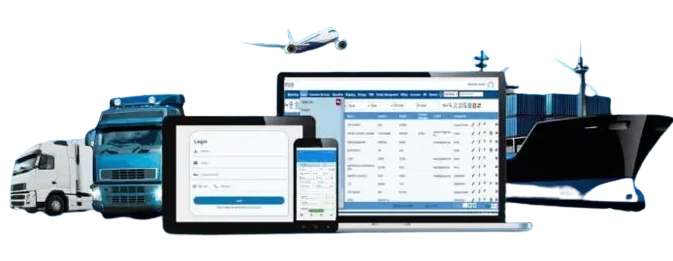
 Freight Forwarding Software
 Warehouse Management System
 Transport Management System
 Moving/Removal Software
 Customer Service Portal
 Move Survey Quote Pro
 Digital Logistics Inventory App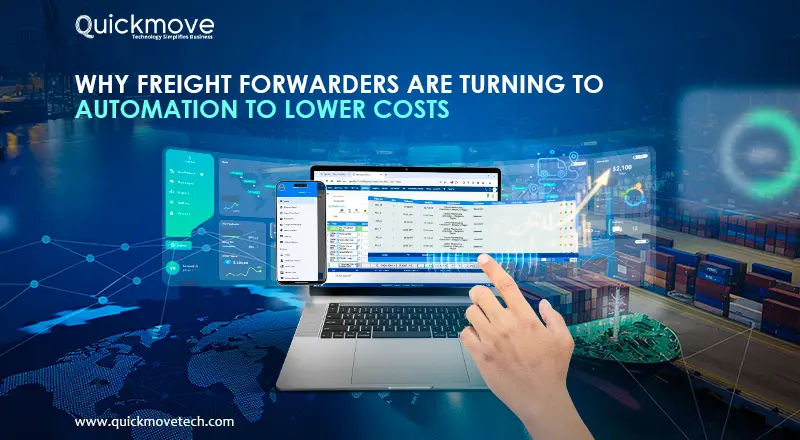
Over the past few years, the freight forwarding sector has undergone substantial upheaval. It is now more difficult than ever for businesses to retain profitability while providing exceptional service due to rising consumer demands, increased shipment quantities, higher compliance standards, and expanding competition.
Spreadsheets, email correspondence, paper-based documentation, and disjointed software systems are still common manual processes used by freight forwarders. Although these approaches might have been effective in the past, they frequently result in delays, inefficiencies, and needless operating expenses.
For this reason, an increasing number of freight forwarding businesses are using automation. Businesses may simplify processes, cut down on manual labor, increase visibility, and eventually save expenses by implementing a cutting-edge freight forwarding software system.
The Growing Cost Challenges in Freight Forwarding
The profitability of any freight forwarding company is directly impacted by operational expenditures. Every step, from document preparation and shipment management to customer communication and invoicing, requires time and resources.
When these jobs are done by hand, businesses often encounter:
- Time-consuming administrative duties
- Data entry errors
- Information on shipments that are delayed
- Erroneous invoicing
- Insufficient operational visibility
- An increase in labor costs
Over time, these inefficiencies could negatively impact business performance and limit opportunities for growth.
How Automation Reduces Operational Costs
Freight forwarders can establish more effective processes and get rid of repetitive chores by using automation. Employees can concentrate on higher-value tasks that support company expansion rather than spending hours manually tracking shipments, creating documentation, or inputting data.
A contemporary freight forwarding system serves as a consolidated platform that links different corporate operations, resulting in more efficient and seamless operations.
Streamlining Shipment Management
When information is dispersed across several systems, managing numerous shipments via road, sea, and air transport can easily become daunting.
By centralizing all shipment-related data, automation streamlines shipment management. From a single dashboard, teams may view booking data, shipping progress, client information, and operational updates.
In addition to saving time, this lowers the possibility of operational mistakes and communication breakdowns.
Reducing Documentation Work
One of the most crucial yet laborious aspects of freight forwarding is documentation. It takes a lot of work to manually prepare bills of lading, commercial invoices, customs declarations, shipping instructions, and other documentation.
Information can be taken straight from shipment records and utilized to automatically create the necessary documents with automated documentation features.
Among the advantages are:
- Quicker processing of documents
- Less paperwork
- Increased precision
- Reduced administrative expenses
- Improved handling of compliance
Freight forwarders can handle more shipments without adding to their workload by reducing manual involvement.
Improving Shipment Visibility
Consumers now want shipment updates in real time. Customer satisfaction may deteriorate when updates are delayed or information is hard to obtain.
Customers and logistics teams can keep an eye on shipment progress during the transit process thanks to real-time tracking features offered by modern freight software.
Increased visibility benefits companies:
- React promptly to interruptions
- Decrease client inquiries
- Boost dialogue
- Increase client confidence
Support staff spend less time responding to standard status inquiries when clients have constant access to precise shipment information.
Automating Financial Processes
Another area where automation can result in significant cost reductions is financial management.
Manual billing and invoicing procedures frequently result in delays and raise the possibility of mistakes. Cash flow can be adversely affected by missing charges, inaccurate calculations, and late bills.
Financial procedures are made simpler by automation by simplifying:
- Generation of invoices
- Billing to vendors
- Monitoring expenses
- Management of revenue
- Financial reporting
This gives freight forwarders more control over their financial performance, increases billing accuracy, and speeds up payment collection.
Enhancing Warehouse Efficiency
Inventory management is an essential component of everyday operations for freight forwarders that provide warehouse services.
Monitoring inventory levels and warehouse operations may become challenging and time-consuming without automation.
Businesses benefit from integrated logistics systems:
- Real-time inventory tracking
- Keep an eye on stock movements
- Increase the use of warehouses
- Decrease disparities in inventory
- Boost the effectiveness of operations
Better resource management and lower warehouse-related expenses result from this.
The Benefits of Cloud-Based Solutions
Information must be accessible from any location for modern logistics companies. Teams frequently work in several offices, ports, warehouses, and client locations.
Users of cloud-based freight forwarding software can access financial data, client records, reports, and shipment information via a safe online platform.
Better teamwork, quicker decision-making, and continuous company operations are all made possible by this flexibility.
Making Better Decisions with Data
Accurate business insights are one of the main benefits of automation.
Freight Forwarders can assess the performance of their operations and pinpoint areas for improvement with the aid of sophisticated reporting and analytics tools.
Companies can keep an eye on:
- Performance of shipments
- Trends in revenue
- Effectiveness of operations
- Consumer behavior
- Cost control
- Measures of profitability
Management teams may make well-informed decisions that promote productivity and profitability when they have access to real-time data.
Choosing the Right Freight Forwarding Software
Not every automation solution is made equally. Businesses should seek for capabilities that support their operating needs and future expansion goals when assessing a freight forwarding software platform.
Important skills to take into account are:
- Complete freight management
- Documentation that is automated
- Tracking shipments in real time
- Tools for managing finances
- Integration of warehouses
- Portals for customers
- Analytics and reporting
- Accessibility of the cloud
The ideal solution should make operations easier while offering the adaptability required to grow with the company.
Final Thoughts
The freight forwarding sector is becoming more digital, and automation is playing an important role in keeping enterprises competitive. Businesses can decrease overall expenses, increase operational visibility, decrease manual labor, and improve accuracy by implementing a contemporary freight forwarding system.
Investing in the appropriate freight software is now more than just increasing productivity as customer demands rise; it’s about creating a logistics company that is more robust, scalable, and prepared for the future.