Email Us
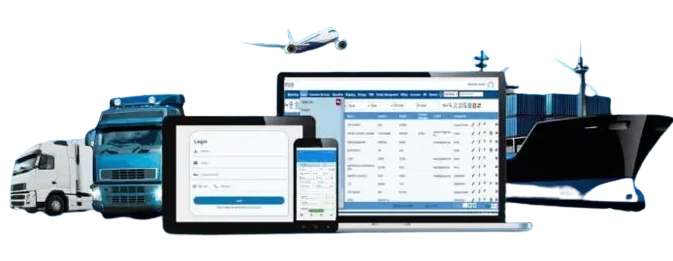
 Freight Forwarding Software
 Warehouse Management System
 Transport Management System
 Moving/Removal Software
 Customer Service Portal
 Move Survey Quote Pro
 Digital Logistics Inventory App
The freight forwarding industry has always been complex. Multiple stakeholders, endless paperwork, tight timelines, fluctuating freight rates, customs regulations, and rising customer expectations make daily operations challenging even for experienced forwarders.
For decades, freight forwarders have relied on spreadsheets, emails, phone calls, and disconnected software tools to manage operations. While this approach worked in the past, today’s fast-moving global trade environment demands something more efficient, accurate, and scalable.
This is where freight forwarding automation tools come into the picture.
Automation is no longer optional. It has become a critical requirement for freight forwarders who want to remain competitive, profitable, and customer centric. In this blog, we will explore how freight forwarding automation tools are transforming freight operations, the real challenges they solve, and how modern platforms like QuickMove Technologies’ freight forwarding software are enabling forwarders to run smarter, faster, and more reliable operations.
Understanding Freight Forwarding Automation Tools
Freight forwarding automation tools are software solutions designed to automate, streamline, and optimize various freight forwarding processes. These tools replace manual tasks with digital workflows, reduce human errors, and provide real-time visibility across operations.
Instead of managing shipments through emails, spreadsheets, and paperwork, automation tools bring everything under one centralized system.
Common Areas Automated by These Tools
- Shipment booking and order management
- Rate management and quotations
- Documentation and compliance
- Customs clearance workflows
- Cargo tracking and visibility
- Billing, invoicing, and payments
- Customer communication and reporting
When these processes are automated and connected, freight forwarders gain better control over operations and can focus on growth rather than firefighting daily issues.
The Real Challenges Faced by Traditional Freight Operations
Before understanding the impact of freight forwarding automation tools, it is important to look at the pain points most freight forwarders deal with on a daily basis.
Heavy Dependence on Manual Processes
Many freight operations still rely on manual data entry. Shipment details are entered multiple times across different systems, emails, and spreadsheets. This leads to duplicated work, inconsistencies, and errors.
Poor Visibility Across Shipments
Without a centralized platform, tracking shipments becomes difficult. Teams often struggle to answer basic customer questions like:
- Where is my shipment?
- Has it cleared customs?
- When will it arrive?
This lack of visibility impacts customer trust and service quality.
Documentation Errors and Compliance Risks
Freight forwarding involves extensive documentation such as bills of lading, commercial invoices, packing lists, and customs forms. Manual handling increases the risk of errors, delays, and compliance issues.
Slow Quotation and Rate Management
Preparing freight quotes manually is time-consuming. Sales teams often wait for operations or pricing teams to respond, resulting in delayed quotes and lost business opportunities.
Disconnected Teams and Systems
Operations, sales, finance, and customer support often work in silos using different tools. This lack of integration slows down workflows and creates communication gaps.
How Freight Forwarding Automation Tools Solve These Problems
Freight forwarding automation tools address these challenges by digitizing and integrating every stage of the freight process.
Centralized Data and Single Source of Truth
Automation tools store all shipment-related information in one place. From booking details to documents, tracking updates, and invoices, everything is accessible from a single dashboard.
This eliminates confusion and ensures everyone works with accurate, up-to-date information.
Faster and Error-Free Operations
Automation reduces manual data entry. Once shipment details are entered, they automatically flow across related processes such as documentation, tracking, and billing.
This significantly reduces errors and speeds up operations.
Improved Collaboration Across Teams
With a shared platform, sales, operations, and finance teams can collaborate seamlessly. Everyone sees the same shipment status and updates, improving internal coordination.
The Drastic Impact of Automation on Key Freight Operations
Let’s look deeper at how freight forwarding automation tools bring a drastic change across core freight operations.
1. Automated Booking and Order Management
Booking shipments manually involves multiple emails, phone calls, and follow-ups. Automation simplifies this entire process.
With automated booking:
- Shipment details are captured digitally
- Bookings are created faster
- Status updates are recorded automatically
- Changes are tracked and logged
This not only saves time but also improves accuracy and accountability.
Modern platforms like QuickMove Technologies’ freight forwarding software provide intuitive booking workflows that reduce dependency on manual coordination.
2. Smarter Rate Management and Instant Quotations
One of the biggest challenges for freight forwarders is providing quick and accurate freight quotes.
Freight forwarding automation tools allow:
- Centralized storage of carrier rates
- Automated rate calculations
- Instant quote generation
- Margin visibility for sales teams
Sales teams can respond to customer inquiries in minutes instead of hours or days. Faster quotes lead to higher conversion rates and better customer satisfaction.
3. Streamlined Documentation and Compliance
Documentation is at the heart of freight forwarding. Even a small error can cause delays, penalties, or shipment holds.
Automation tools help by:
- Auto-generating standard documents
- Validating data fields
- Ensuring consistency across documents
- Storing documents securely in digital format
This reduces compliance risks and ensures smoother customs clearance.
4. Automated Billing and Invoicing
Manual invoicing is slow and prone to errors. Missing charges or incorrect rates can directly impact profitability.
Automation tools:
- Generate invoices automatically based on shipment data
- Apply correct rates and taxes
- Reduce billing disputes
- Speed up payment cycles
Finance teams save hours of work, and cash flow improves significantly.
5. Better Customer Experience Through Automation
Customer experience is no longer just about moving cargo from point A to point B. It is about communication, transparency, and reliability.
Freight forwarding automation tools enable:
- Automated notifications
- Self-service customer portals
- Faster response times
- Accurate and consistent information
Happy customers are more likely to stay loyal and recommend your services.
Data-Driven Decision Making with Automation Tools
One of the most overlooked benefits of freight forwarding automation tools is access to data and insights.
Real-Time Dashboards and Reports
Automation platforms provide dashboards that show:
- Shipment performance
- Transit times
- Revenue and costs
- Customer activity
These insights help management make informed decisions.
Identifying Bottlenecks and Inefficiencies
By analyzing operational data, freight forwarders can:
- Identify delays
- Improve carrier performance
- Optimize routes
- Reduce operational costs
QuickMove Technologies’ reporting tools empower businesses to turn data into actionable strategies.
Scalability: Growing Without Operational Chaos
As freight forwarding businesses grow, manual processes quickly become a bottleneck.
Freight forwarding automation tools allow businesses to:
- Handle higher shipment volumes
- Expand to new regions
- Add new services without increasing headcount proportionally
Automation ensures scalability without compromising service quality.
Why Freight Forwarders Are Moving Toward End-to-End Platforms
Many forwarders initially adopt multiple standalone tools for accounting, tracking, documentation, and CRM. Over time, this creates fragmented workflows.
End-to-end freight forwarding automation tools provide:
- Seamless integration across departments
- Consistent data flow
- Reduced software costs
- Simplified training and onboarding
QuickMove Technologies focuses on providing an integrated freight forwarding software platform designed specifically for modern freight operations.
Overcoming Resistance to Automation
Despite its benefits, some freight forwarders hesitate to adopt automation due to:
- Fear of change
- Concerns about cost
- Lack of technical expertise
However, modern automation tools are:
- User-friendly
- Cloud-based
- Cost-effective
- Designed for quick implementation
The long-term operational and financial benefits far outweigh the initial investment.
The Future of Freight Forwarding Is Automated
The freight forwarding industry is evolving rapidly. Digital transformation is no longer optional.
Future-forward companies are already:
- Automating repetitive tasks
- Using data to improve performance
- Delivering superior customer experiences
- Scaling operations efficiently
Freight forwarding automation tools will continue to play a central role in shaping the industry’s future.
How QuickMove Technologies Supports Freight Forwarding Automation
QuickMove Technologies understands the real-world challenges faced by freight forwarders. Their freight forwarding software is built with industry expertise and practical workflows in mind.
Key benefits include:
- End-to-end automation
- Real-time visibility
- Scalable architecture
- Easy adoption for teams
- Strong focus on customer experience
By adopting a modern automation platform, freight forwarders can transform their operations and position themselves for long-term success.
Final Thoughts
Freight forwarding automation tools are not just about technology—they are about transformation.
They help freight forwarders:
- Reduce operational complexity
- Improve accuracy and efficiency
- Enhance customer satisfaction
- Make data-driven decisions
- Scale with confidence
As global trade becomes more competitive, automation will separate industry leaders from those struggling to keep up.
If you are looking to bring a drastic, measurable change to your freight operations, investing in the right freight forwarding automation tools is the smartest move you can make today.