Email Us
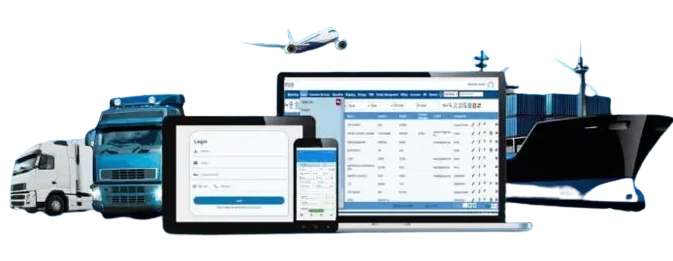
 Freight Forwarding Software
 Warehouse Management System
 Transport Management System
 Moving/Removal Software
 Customer Service Portal
 Move Survey Quote Pro
 Digital Logistics Inventory App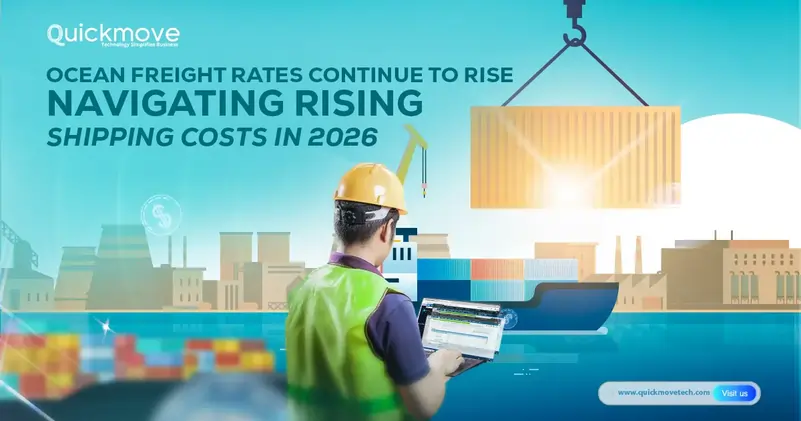
The global logistics industry is once again experiencing a surge in ocean freight rates. Rising geopolitical tensions in the Middle East, concerns surrounding the Strait of Hormuz, limited vessel capacity, and the arrival of the early peak shipping season are all contributing to increased transportation costs.
For freight forwarders, importers, exporters, and logistics service providers, these developments are creating new operational and financial challenges. Businesses that rely on international shipping must now focus on improving efficiency, reducing delays, and leveraging technology to remain competitive.
Recent disruptions around key shipping routes have increased transit times, fuel costs, and insurance premiums, while carriers continue to adjust sailing schedules and freight rates. These factors are putting significant pressure on Asia–Europe and Asia–US trade lanes.
Why Are Ocean Freight Rates Increasing?
Several factors are driving the latest rise in ocean freight prices:
1. Geopolitical Tensions in the Middle East
Ongoing conflicts in the Middle East have increased uncertainty across major global shipping routes. Shipping companies are closely monitoring regional developments, resulting in higher operational risks and additional costs.
2. Concerns Around the Strait of Hormuz
The Strait of Hormuz remains one of the world’s most critical maritime trade routes. Any disruption or security concern in this region affects global shipping capacity, marine insurance costs, and transit schedules.
3. Capacity Constraints and Longer Shipping Routes
Many ocean carriers continue to adjust their vessel schedules and reroute ships to avoid high-risk areas. These longer routes increase fuel consumption, reduce available capacity, and contribute to higher freight charges.
4. Early Peak Season Demand
Many importers have started shipping earlier than usual to avoid potential delays later in the year. This surge in cargo volumes is placing additional pressure on available container capacity and pushing freight rates even higher.
Impact on Freight Forwarders and Shippers
The increase in ocean freight rates is affecting businesses in several ways:
- Higher shipping and logistics costs
- Longer transit times
- Reduced container availability
- Increased pressure on delivery commitments
- More frequent changes in freight pricing
- Greater demand for real-time shipment visibility
Freight forwarders that rely on manual processes may find it increasingly difficult to manage these market changes efficiently.
Why Technology Matters More Than Ever
As freight markets become more volatile, digital transformation is no longer optional.
Modern freight forwarding software enables logistics companies to automate operations, improve shipment visibility, manage documentation, and respond quickly to changing freight rates.
An advanced freight software solution helps businesses:
- Track shipments in real time
- Manage customer communication
- Automate documentation
- Monitor freight costs
- Improve operational efficiency
- Reduce manual errors
Similarly, ocean freight software allows freight forwarders to manage bookings, schedules, container tracking, and carrier updates from a single platform.
For growing logistics businesses, investing in logistics software for freight can significantly improve productivity while helping teams respond faster to market disruptions.
Stay Prepared with the Right Logistics Technology
Rising freight rates may be outside your control, but how your business responds is entirely within your hands. Companies that embrace automation and digital logistics platforms are better equipped to manage uncertainty, improve customer service, and maintain profitability even during challenging market conditions.
If you’re looking to modernize your freight operations, explore QuickMove Technologies and discover how its AI-powered logistics platform helps freight forwarders automate operations, streamline documentation, manage ocean freight, transportation, warehousing, CRM, and billing—all from a single unified solution.
Read also: https://www.quickmovetech.com/the-definitive-guide-to-freight-forwarding-software/
Final Thoughts
Ocean freight markets are expected to remain dynamic throughout 2026. Freight forwarders that combine market awareness with powerful digital solutions will be better positioned to control costs, improve operational efficiency, and deliver exceptional customer service despite ongoing global supply chain challenges.
Frequently Asked Questions
Why are ocean freight rates increasing in 2026?
How do rising ocean freight rates affect freight forwarders?
What is freight forwarding software?
What is the difference between freight software and logistics software?
What are the benefits of ocean freight software?
Why is logistics software important for freight companies?
How can freight forwarding software help during periods of rising freight rates?
What features should businesses look for in freight software?
- Shipment Tracking
- Ocean, Air & Land Freight Management
- Documentation Automation
- CRM Integration
- Billing & Invoicing
- MIS Dashboards & Reporting
- Real-Time Shipment Visibility
- Multi-Branch & Multi-User Support