Email Us

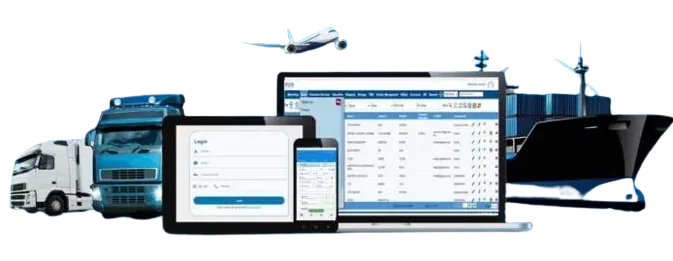
 Freight Forwarding Software
 Warehouse Management System
 Transport Management System
 Moving/Removal Software
 Customer Service Portal
 Move Survey Quote Pro
 Digital Logistics Inventory App
Growing a freight forwarding or logistics business is a positive sign but growth also brings operational challenges. As shipment volumes increase, managing quotations, bookings, documentation, billing, tracking, customers, and transportation through spreadsheets and disconnected systems can become increasingly difficult.
A business that manages dozens of shipments may be able to handle operations manually. But when shipment volumes reach hundreds or thousands, traditional processes can create delays, errors, higher operating costs, and limited visibility.
This is where scalable logistics software can make a significant difference.
With the right freight forwarding software, logistics companies can increase shipment volumes, streamline operations, improve visibility, and support business growth without constantly replacing or rebuilding their technology infrastructure.
What Does Scalability Mean in Logistics Software?
Scalability means that your software can support your business as it grows.
For a freight forwarding company, growth may mean:
- More shipments every month
- More customers and vendors
- Additional employees and departments
- New warehouses or locations
- More air, ocean, and road shipments
- Expansion into new countries or trade lanes
- Higher quotation and booking volumes
- Increased documentation and billing requirements
A scalable freight management software solution should be capable of handling this increasing workload while maintaining performance and operational visibility.
Instead of changing systems every time the company expands, businesses can use a platform that grows alongside them.
Why Logistics Businesses Need Scalable Software
The logistics industry is highly dependent on speed, accuracy, and coordination. When shipment volumes increase, even small inefficiencies can become major operational problems.
For example, manually managing 50 shipments may be manageable. Managing 1,000 shipments using the same process can result in:
- Duplicate data entry
- Missed updates
- Documentation errors
- Delayed quotations
- Billing mistakes
- Poor shipment visibility
- Communication gaps
- Difficulty tracking profitability
- Increased administrative workload
A scalable logistics management system helps businesses manage these challenges through centralized and automated workflows.
1. Handle More Shipments Without Increasing Manual Work
Business growth should not mean continuously increasing administrative work.
When shipment volumes increase, employees should be able to focus on customers, operations, and business development instead of spending more time entering information manually.
Freight forwarding software can centralize shipment information and automate repetitive processes such as quotations, bookings, documentation, invoicing, and shipment updates.
This allows teams to manage a larger shipment volume without proportionally increasing their administrative workload.
2. Manage Air, Ocean, and Road Freight From One Platform
Growing logistics companies often handle multiple transportation modes.
Managing air freight, ocean freight, road transportation, and other logistics activities through separate systems can make operations complicated.
An end-to-end logistics software platform can bring different transportation processes into one centralized environment.
With QuickMove, businesses can manage their freight operations from a single platform, helping teams maintain better visibility as shipment volumes increase.
3. Automate Repetitive Logistics Processes
As a logistics company grows, repetitive tasks can consume a significant amount of employee time.
Common examples include:
- Preparing freight quotations
- Creating shipment records
- Updating customers
- Managing documents
- Generating invoices
- Tracking shipments
- Managing billing information
- Coordinating transportation activities
Automation helps reduce repetitive manual work and minimizes the possibility of human errors.
With digital freight software, logistics businesses can create more consistent workflows and improve operational efficiency.
4. Improve Shipment Visibility
Growth becomes difficult when managers cannot clearly see what is happening across their operations.
A scalable logistics platform should provide visibility into important shipment information, including:
- Shipment status
- Customer information
- Booking details
- Transportation details
- Documentation
- Billing
- Delivery progress
- Operational activities
Real-time visibility allows teams to identify potential problems earlier and make faster decisions.
For growing freight forwarders, better visibility can also improve customer communication and service quality.
5. Support Business Expansion
Scaling a logistics company may involve entering new markets, adding new customers, opening new offices, or expanding services.
Your technology should support these changes rather than become a limitation.
A scalable freight management system allows businesses to expand their operations while continuing to use the same core platform.
This can help companies avoid the disruption and expense associated with frequently replacing their software.
6. Reduce Operational Errors
As shipment volumes increase, the risk of errors can also increase.
Manual data entry, duplicate records, incorrect invoices, and missed updates can affect both profitability and customer satisfaction.
Automation and centralized data can help reduce these risks.
By connecting important logistics processes within one system, companies can improve data consistency and create more reliable workflows.
7. Control Costs as Your Business Grows
Growth does not automatically mean higher profitability.
If operational costs increase faster than revenue, business growth can put pressure on margins.
Scalable logistics software for small business and growing enterprises can help companies control operational costs by reducing unnecessary manual work, improving process efficiency, and providing better visibility into shipments and financial information.
Instead of continuously adding administrative resources, businesses can use technology to make existing teams more productive.
8. Make Better Decisions With Centralized Data
Business growth requires better decision-making.
Managers need to understand:
- Which customers generate the most revenue
- Which shipments are profitable
- Which trade lanes perform well
- Where operational costs are increasing
- How many shipments are being processed
- Where delays are occurring
- How efficiently teams are working
A centralized logistics platform can provide access to important operational and financial information, helping management make decisions based on data rather than assumptions.
Why QuickMove Is Built for Growing Logistics Businesses
QuickMove is designed to help freight, warehouse, transport, and moving businesses manage their operations through one scalable platform.
Whether a company is managing dozens of shipments or thousands, the platform can support growing operational requirements without forcing businesses to constantly change their technology.
QuickMove helps businesses bring important logistics processes together, including:
- Freight management
- Shipment management
- Quotation management
- Booking management
- Transportation operations
- Warehouse operations
- Shipment tracking
- Billing and invoicing
- Documentation
- Customer management
By bringing these processes together, businesses can create a more connected and efficient logistics operation.
Scale Your Business Without Sacrificing Performance
The goal of business growth should not simply be to process more shipments. It should be to process more shipments efficiently, accurately, and profitably.
A scalable logistics technology platform gives businesses the flexibility to increase shipment volumes while maintaining operational control.
Whether you are a growing freight forwarder, logistics provider, transport company, or moving business, investing in scalable technology can create a stronger foundation for long-term growth.
When Should You Invest in Scalable Logistics Software?
Your business may be ready for scalable logistics software if you are experiencing:
- Increasing shipment volumes
- More manual administrative work
- Growing documentation requirements
- Frequent data-entry errors
- Difficulty tracking shipments
- Increasing customer communication demands
- Multiple spreadsheets for different processes
- Separate systems for different departments
- Difficulty monitoring profitability
- Plans to expand into new markets
If these challenges sound familiar, upgrading your logistics technology may help your business prepare for its next stage of growth.
The Future of Logistics Is Scalable and Digital
The logistics industry is becoming increasingly digital. Customers expect faster updates, businesses require better visibility, and logistics teams need efficient tools to manage growing workloads.
For companies planning long-term expansion, digital freight software is no longer simply an operational tool. It can become an important part of the overall growth strategy.
A scalable platform allows logistics companies to build their operations around technology that can adapt as their business changes.
Final Thoughts
Scaling a logistics business requires more than acquiring new customers and increasing shipment volumes. Companies also need the right processes and technology to manage that growth effectively.
Scalable freight forwarding software can help businesses automate repetitive tasks, improve shipment visibility, reduce manual errors, manage multiple transportation modes, and maintain greater operational control.