Email Us
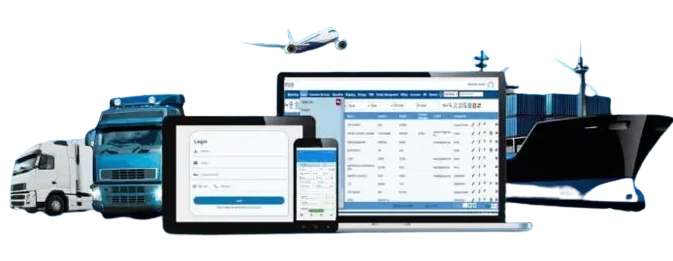
 Freight Forwarding Software
 Warehouse Management System
 Transport Management System
 Moving/Removal Software
 Customer Service Portal
 Move Survey Quote Pro
 Digital Logistics Inventory App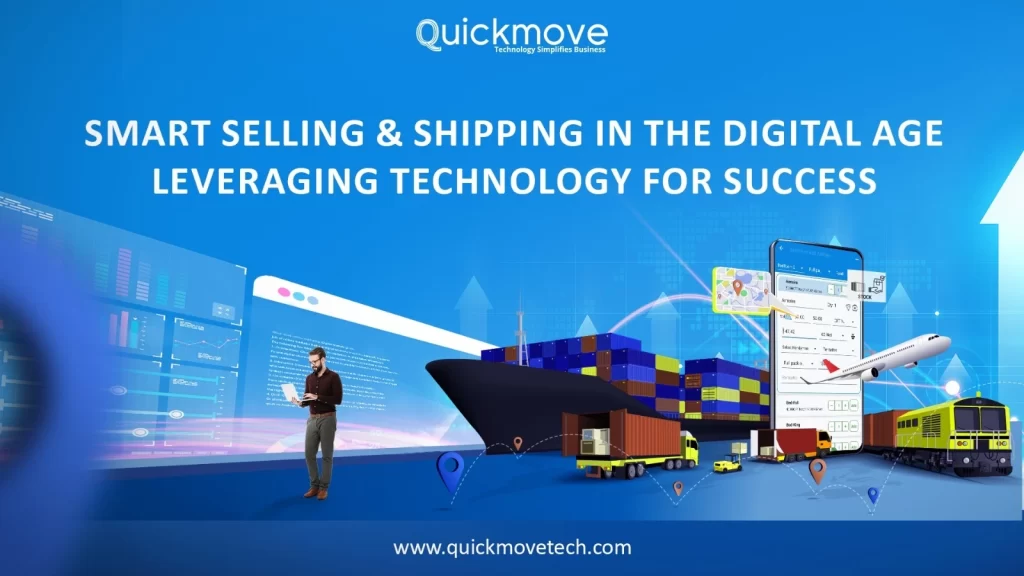
In today’s fast-moving business environment, having a great product is no longer enough. Customers expect competitive pricing, fast delivery, flexible options, and complete transparency. Businesses must be smart not only in how they sell, but also in how they manage inventory and ship products.
This is where modern logistics strategies—like Console Shipments (Consolidated Shipping), Upselling, and Downselling—combine with advanced technology such as Freight Forwarding Software, Warehouse Management Systems (WMS), and Transport Management Systems (TMS) to create a powerful competitive advantage.
Let’s break this down in a structured and practical way.
1. Console Shipment (Consolidated Shipping): Smarter Global Logistics
What Is a Console Shipment?
A console shipment—also known as consolidated shipping—is a logistics strategy where multiple smaller shipments from different businesses are combined into one larger shipment.
Instead of shipping small packages individually (which is expensive), a freight forwarder groups them into:
- One full container load (FCL)
- One full truckload
- One air cargo pallet
This approach reduces transportation costs and improves efficiency. Think of it as “carpooling for cargo.”
Why Consolidation Matters
- Lower freight costs
- Better container utilization
- Reduced carbon footprint
- Improved route efficiency
- More competitive pricing for customers
For SMEs especially, console shipping allows access to international markets without paying full container costs.
The Role of Freight Forwarding Software in Consolidated Shipping
Consolidation sounds simple in theory. In practice, it involves coordinating:
- Multiple shippers
- Different destinations
- Various documentation requirements
- Customs compliance
- Real-time tracking
Without technology, this becomes chaotic.
How Freight Forwarding Software Makes It Work
1. Automated Booking & Documentation
The software automates:
- Booking confirmations
- Bills of lading
- Customs declarations
- Manifests
- Commercial invoices
This reduces paperwork errors and speeds up processing.
2. Smart Consolidation Planning
Advanced systems analyze:
- Destination similarities
- Transit deadlines
- Cargo types
- Weight and volume
This allows forwarders to group shipments efficiently and maximize container usage.
3. Real-Time Visibility
Customers can track their cargo from pickup to final delivery. Transparency builds trust and reduces customer anxiety.
4. Rate & Margin Management
Freight rates change constantly. Software allows forwarders to:
- Manage complex pricing structures
- Compare carriers
- Protect profit margins
- Generate instant quotations
Without Freight Forwarding Software, consolidated shipping would involve manual spreadsheets, high error rates, and missed opportunities.
Upselling: Increasing Revenue Through Smart Operations
Upselling is encouraging customers to buy a higher-value version of what they initially planned to purchase.
Examples:
- Upgrading from standard shipping to express delivery
- Buying a premium version of a product
- Adding accessories or protection plans
- Choosing bundled packages
Upselling works only if operations can support it. You cannot sell what you cannot deliver.
How Warehouse Management Systems (WMS) Enable Upselling
A Warehouse Management System does more than track stock. It empowers smarter selling.
Real-Time Inventory Visibility
Sales teams can confidently recommend upgrades because they know:
- Which premium models are available
- Stock quantities in real time
- Location of products in the warehouse
No more overselling out-of-stock items.
Bundle Management
WMS allows predefined bundles such as:
- Premium product packages
- Seasonal kits
- Promotional combinations
The system ensures these bundles are:
- Picked correctly
- Packed accurately
- Shipped efficiently
Faster Order Fulfillment
If a customer upgrades to a larger product or premium package, the WMS:
- Directs staff to the correct storage location
- Optimizes picking routes
- Minimizes errors
Faster fulfillment increases customer satisfaction.
Transport Management Systems (TMS): Supporting Confident Delivery
A Transport Management System ensures that upsold products are delivered smoothly.
Optimized Route Planning
TMS evaluates:
- Distance
- Traffic conditions
- Carrier options
- Delivery windows
This ensures upgraded products reach customers safely and on time.
Proof of Delivery
For high-value items, TMS can capture:
- Digital signatures
- Delivery timestamps
- Photo confirmations
This reduces disputes and enhances trust.
Delivery Flexibility
Customers upgrading their orders often expect:
- Faster shipping
- Scheduled delivery slots
- Special handling
TMS allows businesses to offer these services confidently.
Downselling: Saving the Sale
Not every customer can afford premium options. If you only push expensive products, you risk losing the sale entirely.
Downselling means offering a lower-cost alternative instead of losing the customer.
Examples:
- Older product versions
- Entry-level models
- Slower but cheaper shipping
- Smaller bundles
The goal is to maintain revenue and customer relationships.
How WMS and TMS Support Downselling
WMS: Visibility of Affordable Alternatives
A WMS helps sales teams quickly identify:
- Older inventory
- Overstock items
- Open-box products
- Discounted stock
This allows fast switching to alternative options during sales conversations.
It also helps with stock rotation—moving older inventory before it becomes obsolete.
TMS: Cost-Effective Shipping Options
Lower-margin products require careful cost control.
TMS helps by:
- Selecting economical carriers
- Offering ground shipping options
- Optimizing route combinations
- Reducing fuel expenses
Affordable shipping can make or break a downsell opportunity.
The Power of System Integration
The real transformation happens when Freight Forwarding Software, WMS, and TMS work together seamlessly.
Let’s see a real-world example:
- A customer agrees to upgrade their order.
- The CRM updates the order.
- The WMS instantly allocates the premium product.
- The TMS schedules optimized delivery.
- If part of a consolidated shipment, the Freight Forwarding Software assigns it to the correct container.
- Tracking information updates automatically.
This integration eliminates manual coordination between departments.
Benefits of a Fully Digital Selling & Shipping Ecosystem
1. Higher Operational Efficiency
Automation reduces manual data entry and human errors.
2. Improved Customer Experience
Customers receive:
- Accurate stock information
- Reliable delivery timelines
- Transparent tracking
3. Increased Profit Margins
- Consolidation reduces freight costs
- Upselling increases average order value
- Downselling prevents revenue loss
4. Data-Driven Decision Making
Integrated systems provide insights such as:
- Best-selling products
- Most profitable routes
- Seasonal demand trends
- Customer buying behavior
Businesses can use this data to refine pricing, inventory planning, and sales strategies.
The Role of Analytics and AI in Modern Logistics
Modern platforms are increasingly integrating:
- Predictive demand forecasting
- Automated carrier selection
- Inventory optimization algorithms
- Smart pricing suggestions
AI can identify patterns such as:
- Which customers are likely to accept upsells
- Which products often require downsell alternatives
- Which routes cause frequent delays
These insights turn logistics from a cost center into a strategic growth engine.
Risk Management and Compliance
Technology also helps businesses manage risk.
Freight forwarding involves:
- Customs regulations
- Documentation accuracy
- International trade compliance
Automated systems:
- Validate HS codes
- Check document completeness
- Reduce compliance penalties
- Maintain audit trails
This protects both revenue and reputation.
Sustainability and Cost Control
Consolidated shipping contributes to:
- Fewer vehicles on the road
- Lower fuel consumption
- Reduced emissions
Optimized route planning and better container utilization directly support environmental goals while lowering operational costs.
Customers increasingly value sustainable practices, making this both an ethical and commercial advantage.
Why Technology Is No Longer Optional
In the past, logistics systems were back-office tools. Today, they directly impact:
- Sales performance
- Customer retention
- Profit margins
- Brand reputation
Companies relying on spreadsheets and manual coordination struggle with:
- Stock inaccuracies
- Delayed shipments
- Poor visibility
- Missed upsell opportunities
Digital transformation is no longer about convenience—it is about survival and growth.
Smart Selling Meets Smart Shipping
The digital age demands integration between sales and logistics.
- Console shipments reduce freight costs.
- Upselling increases revenue per transaction.
- Downselling protects customer relationships.
- Freight Forwarding Software manages complex global shipments.
- Warehouse Management Systems ensure accurate inventory control.
- Transport Management Systems optimize delivery execution.
When these systems work together, businesses gain:
- Efficiency
- Transparency
- Scalability
- Profitability
Smart selling and smart shipping are no longer separate strategies. They are interconnected pillars of modern commerce.
Companies that embrace technology-driven logistics position themselves for sustainable growth, stronger customer loyalty, and long-term success in an increasingly competitive global marketplace.