Email Us
 Freight Forwarding Software
 Warehouse Management System
 Transport Management System
 Moving/Removal Software
 Service Portal
 Move Survey Quote Pro
 Digital Logistics Inventory App
Technology has reshaped almost every industry, and the logistics sector is one of the biggest beneficiaries of this transformation. Businesses that once relied on paperwork, phone calls, and manual tracking now operate in a fast-paced digital environment where speed, accuracy, and transparency are essential.
This is where logistics software plays a crucial role.
Logistics software helps businesses manage and optimize various operations such as transportation, inventory management, warehousing, material handling, packaging, shipment tracking, and sometimes even security monitoring. By automating and streamlining these processes, companies can reduce operational delays, minimize risks, and improve overall efficiency across the supply chain.
Today, logistics software is not just a convenience—it has become a necessity. Companies that adopt digital logistics tools gain better control over operations, improved visibility into shipments and inventory, and stronger customer relationships.
In this guide, we will explore the benefits of logistics software, its impact on the logistics industry, and the different types of logistics solutions available for businesses.
What is Logistics Software?
Logistics software is a digital system designed to manage, automate, and optimize logistics and supply chain activities.
These systems help businesses plan, execute, and monitor the movement and storage of goods from the point of origin to the final destination. Instead of relying on spreadsheets, manual records, and disconnected systems, logistics software centralizes operations into a single platform.
Typical functions of logistics software include:
- Shipment planning and tracking
- Inventory management
- Warehouse operations control
- Route optimization
- Order processing and fulfillment
- Fleet management
- Billing and documentation
- Real-time reporting and analytics
By bringing all these processes together, logistics software provides businesses with a clear view of their operations, allowing them to make faster and more informed decisions.
Why Logistics Software is Important in Today’s Supply Chain
The global supply chain has become increasingly complex. Businesses must manage multiple suppliers, transportation routes, warehouses, and customer delivery expectations.
Without a digital system, handling such complexity becomes extremely difficult.
Logistics software solves this challenge by providing:
Real-Time Visibility
Businesses can monitor shipments, track vehicles, and check inventory levels in real time. This improves transparency across the supply chain.
Operational Efficiency
Automation reduces manual work, speeds up processes, and minimizes delays.
Cost Control
Optimized routing, better inventory planning, and reduced paperwork help businesses lower operational costs.
Better Customer Service
Customers expect quick deliveries and accurate updates. Logistics software ensures reliable service and improves customer satisfaction.
Key Benefits of Logistics Software
Implementing logistics software offers a wide range of advantages for businesses across the supply chain.
1. Improved Supply Chain Management
Logistics software helps manage every stage of the supply chain—from procurement and storage to transportation and delivery. Businesses gain full visibility into operations, which helps prevent delays and bottlenecks.
2. Faster Order Processing
With automated order management, businesses can process orders quickly and accurately. This reduces lead time and ensures timely deliveries.
3. Better Inventory Control
Maintaining accurate inventory levels is critical for logistics companies. Logistics software provides real-time inventory tracking, reducing the risk of overstocking or stockouts.
4. Cost Reduction
Automation reduces administrative tasks and paperwork. It also helps optimize routes and transportation planning, lowering fuel and operational costs.
5. Real-Time Shipment Tracking
Modern logistics software allows businesses and customers to track shipments in real time. This improves transparency and builds trust with clients.
6. Data-Driven Decision Making
Advanced reporting and analytics provide valuable insights into business performance, helping companies make smarter strategic decisions.
Advantages of Logistics Software Over Manual Processes
Many logistics companies still rely on spreadsheets, manual paperwork, and disconnected tools. However, manual processes often lead to inefficiencies, delays, and costly mistakes.
Logistics software offers several advantages compared to traditional manual systems.
Reduced Worker Stress
Manual logistics management involves handling large amounts of paperwork and repetitive tasks. Automation reduces workload and allows employees to focus on more important operational activities.
Improved Customer Satisfaction
Customers today expect fast, reliable, and transparent services. Logistics software helps businesses meet these expectations by improving delivery accuracy and communication.
Error Reduction
Manual data entry increases the risk of errors such as incorrect shipment details or misplaced documents. Automated systems significantly reduce such mistakes.
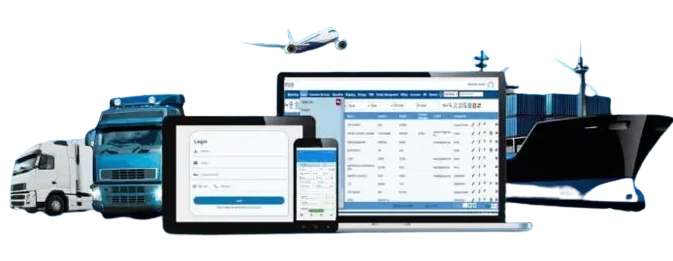
Mobile Accessibility
Modern logistics platforms allow employees to access the system through mobile phones and tablets. This enables field teams to update job details, upload documents, and track shipments in real time.
How Logistics Software is Transforming the Logistics Industry
The logistics industry has undergone a massive transformation in the last decade due to digital technology.
Traditional logistics operations were slow and heavily dependent on manual coordination. Today, logistics software enables companies to automate and optimize nearly every aspect of their operations.
Some key ways logistics software is transforming the industry include:
Automation of Operations
Tasks such as order processing, shipment tracking, documentation, and invoicing can now be automated, saving time and reducing errors.
Smarter Route Planning
Logistics software uses advanced algorithms to determine the most efficient delivery routes. This reduces fuel consumption, travel time, and transportation costs.
Warehouse Optimization
Warehouse management systems help businesses organize storage space, manage inventory efficiently, and streamline picking and packing operations.
Increased Transparency
Businesses and customers can monitor shipments and deliveries in real time, improving trust and accountability.
Safer Work Environments
Automated systems reduce manual handling and workplace risks, improving safety standards in logistics operations.
Key Features to Look for in Logistics Software
Not all logistics software solutions are the same. Businesses should choose a platform that offers the features required for their specific operations.
Some essential features include:
Shipment Tracking
Real-time tracking allows businesses and customers to monitor deliveries from pickup to final destination.
Inventory Management
A good logistics platform should provide accurate inventory tracking across multiple warehouses.
Route Optimization
Efficient route planning helps reduce fuel costs and delivery time.
Automated Documentation
Digital documentation simplifies processes such as invoices, shipping labels, and delivery receipts.
Integration Capabilities
The software should integrate with other business systems such as ERP, accounting software, and CRM platforms.
Analytics and Reporting
Detailed reports help businesses evaluate performance and identify areas for improvement.
Types of Logistics Software Solutions
The logistics industry uses various types of software solutions designed for specific operational needs.
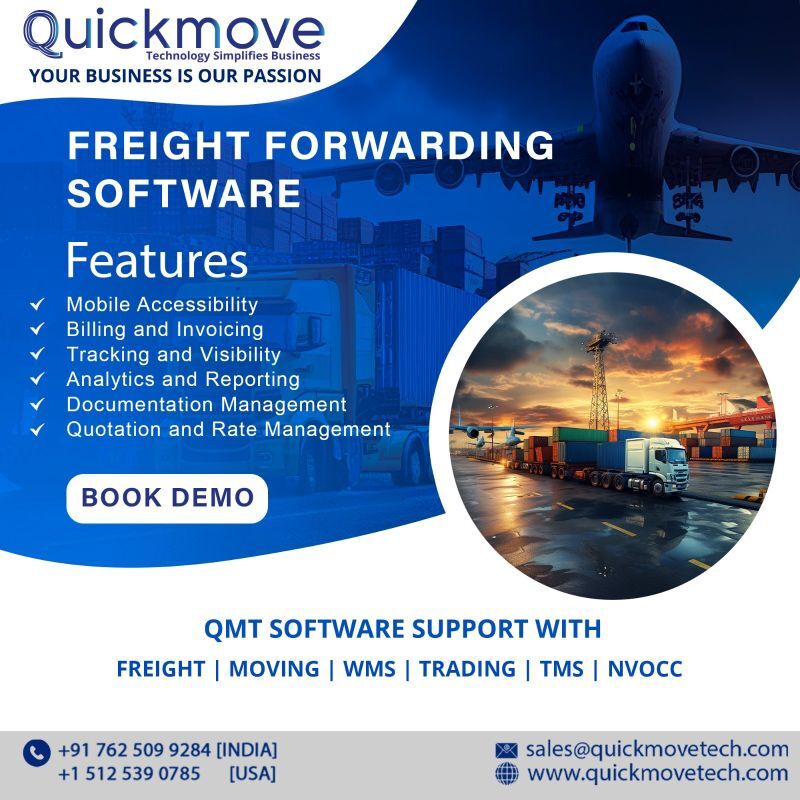
Freight Forwarding Software
Freight forwarding software helps manage the end-to-end operations of freight forwarding companies. It supports shipment planning, documentation, billing, and cargo tracking.
This software is particularly useful for businesses handling international shipments and complex logistics networks.
Moving and Relocation Software
Moving software is designed for packers and movers companies. It manages customer inquiries, surveys, quotations, scheduling, vehicle planning, and job execution.
By organizing all relocation activities in one system, moving companies can provide faster and more professional services.
Warehouse Management System (WMS)
A Warehouse Management System (WMS) is used to manage warehouse operations such as inventory tracking, order picking, packing, and storage management.
WMS solutions help businesses improve inventory accuracy, maximize storage space, and speed up order fulfillment.
Logistics Suite (All-in-One Software)
A logistics suite is a comprehensive solution that integrates multiple logistics functions into a single platform.
It typically includes:
- Freight management
- Warehouse management
- Inventory control
- Fleet management
- Billing and documentation
This type of software is ideal for companies that handle multiple logistics operations.
Logistics Mobile App
A logistics mobile app allows field teams to capture real-time operational data directly from the job site.
Through mobile apps, employees can:
- Update job status
- Upload documents and images
- Capture digital signatures
- Track shipments
This eliminates paperwork and improves operational transparency.
Pre-Move Survey App
For relocation companies, a pre-move survey app helps manage on-site inspections efficiently.
Survey teams can record inventory details, estimate costs, capture photos, and generate digital reports instantly. This ensures accurate quotations and faster service for customers.
How to Choose the Best Logistics Software
Selecting the right logistics software requires careful evaluation.
Businesses should consider the following factors:
Business Requirements
Identify the specific logistics challenges your company faces and choose software that addresses those needs.
Scalability
The system should be able to grow with your business as operations expand.
Ease of Use
User-friendly software reduces training time and improves employee adoption.
Integration Support
Ensure the platform integrates smoothly with existing systems.
Customer Support
Reliable technical support is essential for maintaining uninterrupted operations.
The Future of Logistics Software
The future of logistics is becoming increasingly digital. Emerging technologies such as artificial intelligence, machine learning, and predictive analytics are further enhancing logistics software capabilities.
Some upcoming trends include:
- AI-driven demand forecasting
- Autonomous delivery systems
- Blockchain-based shipment tracking
- Smart warehouses with robotics
- Advanced real-time analytics
Companies that adopt these technologies early will gain a significant competitive advantage in the logistics market.
Conclusion
Logistics software has become an essential tool for modern supply chain management. It helps businesses automate operations, improve efficiency, reduce costs, and deliver better customer experiences.
From freight forwarding and warehouse management to moving operations and mobile field tracking, logistics software simplifies complex processes and provides complete visibility across the supply chain.
As the logistics industry continues to evolve, businesses that invest in the right digital solutions will be better positioned to handle growing operational demands and meet customer expectations.
Choosing the best logistics software is not just about adopting technology—it is about building a smarter, more efficient, and future-ready logistics operation.