Email Us
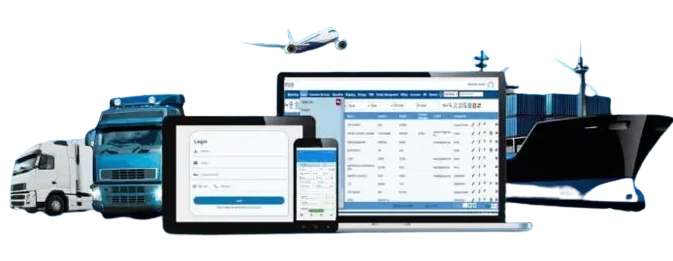
 Freight Forwarding Software
 Warehouse Management System
 Transport Management System
 Moving/Removal Software
 Service Portal
 Move Survey Quote Pro
 Digital Logistics Inventory App
Trust and transparency are everything in the logistics world. Shippers rely on freight forwarders to ensure their goods move safely, on time, and without hidden surprises. Yet, as supply chains grow more complex, maintaining visibility across every step of the journey becomes harder. This is where freight software plays a transformative role — bridging the gap between shippers and logistics providers through real-time data, automation, and accountability.
Let’s explore how modern freight management software improves transparency and builds long-term trust with shippers.
The Growing Need for Transparency in Freight Operations
Most global shippers consider transparency a key factor in selecting a freight forwarder. The reason is simple: in a globalized, fast-moving economy, uncertainty equals loss. When a shipper doesn’t have clarity, it can disrupt production schedules, customer deliveries, and even brand reputation.
That’s why logistics companies are increasingly adopting advanced freight management systems like QuickMove Technologies’ freight forwarding software — to give shippers complete control and visibility at every stage.
The Role of Freight Forwarding Software in Improving Shipper Transparency and Trust
Whether you manage a few shipments a month or operate across continents, embracing digital freight management is the fastest way to build a transparent, trustworthy logistics brand. Let us learn how:
1. Digitalized Documentation Improves Accountability
Freight operations involve a mountain of paperwork — bills of lading, commercial invoices, customs documents, and insurance certificates. Any missing or inaccurate document can lead to costly delays.
Modern freight software simplifies this by digitalizing documentation and ensuring that every shipment is backed by complete, error-free records. It automatically stores, organizes, and shares documents securely with all relevant stakeholders.
For shippers, this means they can instantly verify what’s filed, when it’s filed, and who approved it. Every document is time-stamped and traceable, leaving no room for disputes or miscommunication.
Digitalization not only saves time but also reinforces trust — because transparency isn’t just about tracking cargo, it’s about knowing that the process is being handled accurately and responsibly.
2. Communication and Collaboration Made Simple
Transparency doesn’t stop at data; it extends to communication. In traditional logistics workflows, communication often happens across fragmented emails and phone calls. This leads to confusion and missed information.
Freight software centralizes all communication in one place. Shippers, freight forwarders, customs agents, and transport partners can all collaborate through a shared digital platform. Any update — from customs clearance to warehouse receipt — is automatically logged and visible to everyone involved.
This single-source communication system builds accountability and mutual reliability. When everyone sees the same data, there’s less blame-shifting and more cooperation.
QuickMove Technologies’ freight forwarding software includes built-in communication tools that let teams and clients interact seamlessly. Whether it’s responding to a documentation query or confirming shipment delivery, every interaction is recorded — maintaining a full audit trail that strengthens professional trust.
3. Predictive Insights Create Proactive Transparency
One of the biggest challenges in logistics is handling unexpected disruptions — weather events, port congestion, regulatory delays, or equipment breakdowns. While such factors are often beyond control, how they’re communicated makes all the difference.
Modern freight software uses data analytics and predictive algorithms to identify potential risks before they turn into problems. For example, if a certain port is experiencing delays, the software can suggest alternate routes or warn shippers in advance.
This proactive transparency shows professionalism. Instead of waiting for bad news, shippers receive actionable insights that allow them to make timely decisions. Over time, this reliability strengthens trust between the forwarder and the client.
4. Financial Transparency Enhances Long-Term Relationships
Money can be a sensitive topic in logistics. Disputes often arise due to unclear invoices, hidden surcharges, or mismatched cost estimates. Freight software eliminates these gray areas by offering transparent billing and cost tracking.
Every quote, expense, and adjustment is recorded within the system, and shippers can access a detailed breakdown anytime. Automated invoicing — like that offered by QuickMove’s freight forwarding software — reduces human errors, while digital records ensure both parties have access to the same information.
Additionally, QuickMove’s profitability control intelligence feature provides visibility into margins right from the quotation stage. It helps businesses set Estimated Gross Profit, monitor costs, and identify any potential revenue leakage before it affects the bottom line.
When shippers see that pricing is transparent and justified, their confidence naturally increases. This transparency around costs doesn’t just prevent disputes — it helps build long-term partnerships based on trust and clarity.
5. Compliance and Security Strengthen Credibility
Transparency also means security. Shippers need to know that their data and cargo are safe — especially in an era when cyberattacks and compliance violations can be costly.
Freight software helps by ensuring full compliance with global trade regulations, customs requirements, and security protocols. It tracks every activity within the system, maintaining an audit trail that can be reviewed anytime.
Moreover, cloud-based freight systems like QuickMove’s use secure data encryption, user access control, and automated backups to protect sensitive information. This combination of digital security and operational transparency reassures shippers that their business is in capable hands.
6. Building a Culture of Transparency Through Technology
Technology alone can’t create trust; people do. But when technology provides the foundation for openness, accuracy, and collaboration, it empowers logistics professionals to earn that trust more effectively.
Freight software doesn’t replace human relationships; it enhances them. By automating repetitive tasks and providing clear visibility, it allows freight forwarders to focus more on customer service, problem-solving, and strategic growth.
When shippers see consistency, accurate updates, transparent billing, prompt communication — they start viewing their logistics partner not as a vendor but as a trusted extension of their business.
Conclusion
Transparency and trust are no longer optional in freight forwarding — they’re essential for survival. In a world where delays and disruptions are inevitable, the difference between losing and retaining a client often comes down to how openly you communicate and how accurately you deliver information.
Freight software is the key enabler of that transformation. It provides the visibility, accountability, and predictability that shippers expect in today’s digital age.
If you’re ready to offer your clients automated workflows and transparent operations, QuickMove Technologies’ digital freight forwarder software is designed to help you do exactly that — efficiently and confidently.