Email Us
 Freight Forwarding Software
 Warehouse Management System
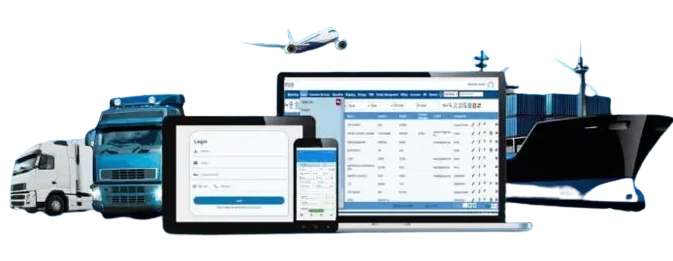
 Transport Management System
 Moving/Removal Software
 Customer Service Portal
 Move Survey Quote Pro
 Digital Logistics Inventory App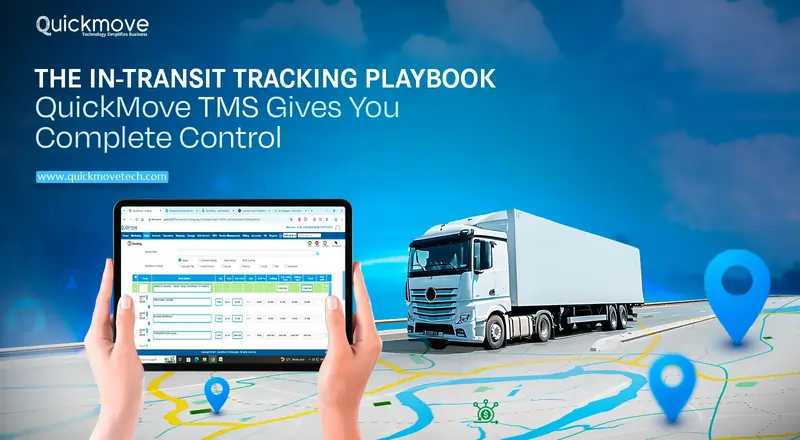
In the logistics field, the journey is as important as the destination. From the warehouse to the customer’s front door, there are several variables that can impact a shipment.
Shippers and logistics managers want to ensure these factors do not affect their deliveries by providing a high level of visibility throughout the chain of custody. This is the basis for In-Transit Progress Tracking and an intelligent Transport Management System.
What Is In-transit Progress Tracking?
In short, in-transit progress tracking is the monitoring of a load while in-transit. But within a TMS, In-Transit tracking provides the shippers and logistics managers with a bird’s-eye view of their entire operation.
Moreover, it gives the logistics expert a real-time look into what is happening with not only a certain load but also with the transportation network as a whole.
This type of visibility is what makes In-Transit tracking so valuable to logistics managers. It arms them with the necessary information to address customer inquiries quickly and effectively. It is powered by TMS by aggregating the relevant information and removing error-inducing manual processes in managing partners, expediting payments, and facilitating a free flow of essential information.
The Value of Real-time Visibility In Transportation
An end-to-end visibility solution serves to dismantle information silos and provide a holistic perspective on the entire transportation ecosystem. It empowers logistics managers to make better-informed decisions and deliver superior customer experiences by bringing all transportation modes in one centralized console. The following critical functions should be present in an integrated solution to enable In-Transit progress tracking:
1. GPS and Geolocation Tracking – Modern logistics managers can say goodbye to guesswork and the tedious task of calling every carrier to determine a load’s whereabouts. With the right TMS, shippers can enjoy a real-time GPS view of the truck’s location on a map. With integrated ELDs, GPS tracking in logistics goes beyond simply knowing “where is my load.” With visibility into your entire operation, logistics managers can do the following:
See a shipment’s progress en-route to its destination in real-time – Compare ETAs to actual arrival times
Set and receive notifications when a truck enters or exits a designated geo-fence.
2. Proactive Exception Management – A truly intelligent TMS will have proactive exception management functionality that serves to notify designated personnel when certain events occur or are about to occur. This could relate to identifying when a truck is lingering beyond a pre-set dwell time at a facility. Effective proactive exception management tools serve to notify the relevant parties via email/SMS and alert them when an action needs to be taken.
In this regard, it is always important to choose a TMS that enables you to stay ahead of the curve rather than merely putting out fires. By having the ability to be proactive, logistics managers can minimize disruptions to the supply chain and ensure the highest level of service to their customers by intervening before an issue escalates. This can be done by using predictive analytics to determine potential impediments and proactively informing the relevant party about the issue and possible resolution.
3. Better Customer Communication
Modern-day customers demand transparency and visibility into their shipments, and logistics managers can provide this efficiently by utilizing TMS. For example, logistics managers can offer their customers this level of visibility by doing the following: Providing a real-time tracking portal where customers can track a shipment’s progress on a map and access relevant shipping documents such as invoices and POD.
Automated Status Updates: Providing the customers with automated email/SMS notifications about key milestones attained by the shipment.
4. Real-time Proof of Delivery e-POD & E-LR – In addition to offering real-time GPS tracking and automated status updates, logistics managers can also provide their customers with electronic proof of delivery. QuickMove’s Transport Management System expedites the delivery process by capturing the e-POD and/or e-LR upon delivery of the consignment.
Why Invest in a TMS for In-transit Tracking?
Having a TMS with In-transit visibility solutions can deliver incredible benefits for your logistics operation.
5. A Better Customer Experience – Happy customers are the backbone of every successful logistics company, and as such, logistics managers must strive to provide the best customer experience. This can be achieved through the following: Being able to keep customers updated about their shipments in real-time is one of the best ways to foster loyalty and encourage repeat business.Having a highly reliable service that delivers on-time and in-full shipments.
6. Improved Operational Efficiency – With a centralized console providing a bird’s-eye view of the entire operation, logistics experts can utilize this information to drive efficiencies. Some of the significant advantages include:Automated functions within the TMS minimize the number of manual tasks, thus reducing the need to waste time calling various carriers and shippers to obtain status updates. This saves a considerable amount of time and allows the logistics manager to focus on more pressing tasks.
7. Reduced Costs – By providing real-time GPS tracking of a load, logistics managers can minimize costs by doing the following: Cutting down on demurrage and detention expenses by minimizing layovers and thereby reducing costs. Lowering operational costs by eliminating wasteful processes such as taking empty backhaul jobs or utilizing non-optimal routes.
Conclusion
Modern-day logistics managers must have end-to-end visibility into their entire operation if they want to succeed in today’s competitive environment. An integrated TMS enables a logistics manager to effectively oversee the entire supply chain while keeping not only their customers but also carriers engaged and motivated. QuickMove’s TMS gives logistics managers unprecedented control over their fleet.