Email Us
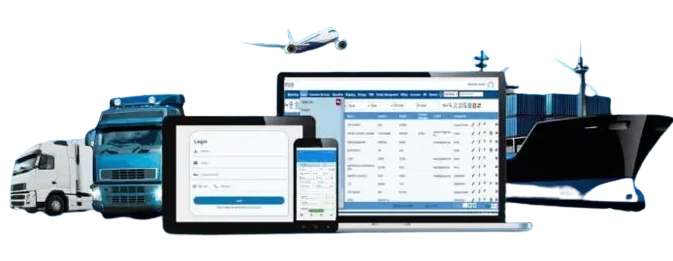
 Freight Forwarding Software
 Warehouse Management System
 Transport Management System
 Moving/Removal Software
 Customer Service Portal
 Move Survey Quote Pro
 Digital Logistics Inventory App
The global logistics industry continues to face unprecedented uncertainty. Geopolitical conflicts, maritime disruptions, rising fuel costs, and port congestion are reshaping international trade. For freight forwarders, relying on manual planning is no longer enough. Businesses need real-time visibility, predictive insights, and digital freight management systems to remain competitive.
Modern freight forwarding software has become an essential tool for managing these challenges by improving shipment visibility, automating operations, and enabling faster decision-making.
If you’re looking for a solution to streamline your freight operations, explore QuickMove Freight Forwarding Software.
The Current State of Global Trade
According to recent global trade intelligence, the maritime shipping industry has entered a prolonged period of disruption.
Some of the major developments include:
- The Cape of Good Hope has become the preferred route for many carriers due to ongoing security concerns in the Red Sea.
- Longer sailing distances are reducing available vessel capacity worldwide.
- Equipment shortages are increasing across major Asian export hubs.
- Fuel prices continue to rise, pushing freight costs higher.
- Global shipping schedules remain highly unpredictable.
- These factors are creating operational challenges for many freight forwarders, importers, and exporters alike.
Key Global Trade Risks Affecting Freight Forwarders
1. Red Sea and Suez Canal Disruptions
Security concerns around the Bab el-Mandeb Strait have significantly reduced vessel traffic through the Suez Canal.
As carriers reroute around Africa:
- Transit times increase
- Fuel consumption rises
- Freight rates become more volatile
- Delivery schedules become less predictable
2. Strait of Hormuz Risk
The Strait of Hormuz remains one of the world’s most strategically important shipping lanes.
Increasing geopolitical tensions have resulted in:
- Higher war-risk insurance premiums
- Increased transportation costs
- Greater uncertainty for Gulf region shipments
3. Panama Canal Capacity Restrictions
Water shortages and limited reservation slots continue to affect Panama Canal operations.
Consequences include:
- Longer waiting times
- Increased auction pricing for transit slots
- Higher landed costs for cargo moving to the Americas
4. Growing Port Congestion
Major logistics hubs such as Singapore and Rotterdam continue to experience vessel bunching and terminal congestion.
This creates:
- Delayed vessel berthing
- Extended container dwell times
- Reduced schedule reliability
5. Rising Freight Costs
Several cost drivers are affecting international shipping:
- Rising bunker fuel prices
- Higher insurance premiums
- Increased vessel operating costs
- Equipment shortages
- Capacity constraints
Freight forwarders must now provide accurate quotations while adapting quickly to changing market conditions.
🌍 Global Trade Lane Risk Overview
How Freight Forwarding Software Helps During Market Disruptions
Digital transformation has become essential for logistics companies navigating today’s complex supply chains.
A comprehensive freight forwarding software solution enables businesses to:
Real-Time Shipment Visibility
Track shipments across ocean, air, and road transport from a centralized platform.
Automated Documentation
Reduce manual paperwork by automating:
- Bills of Lading
- Commercial Invoices
- Shipping Instructions
- Customs Documentation
Smart Cost Management
Manage:
- Freight charges
- Carrier contracts
- Customer quotations
- Profitability analysis
Operational Planning
Monitor shipment milestones and proactively respond to delays before they impact customers.
Centralized Customer Communication
Keep customers informed with shipment updates and documentation through a single platform.
Solutions like Freight Forwarding Software provide these capabilities to help logistics providers improve efficiency and maintain better control over freight operations.
Best Practices for Freight Forwarders in 2026
To remain competitive during ongoing disruptions, freight forwarders should consider:
- Book container space several weeks before ETD.
- Build additional lead time into customer commitments.
- Diversify carrier options.
- Prioritize Full Container Load (FCL) where possible.
- Review cargo insurance policies regularly.
- Monitor geopolitical developments affecting trade lanes.
- Invest in digital freight management software for greater visibility and operational efficiency.
✅ Recommended Actions
Why Digital Freight Management Matters
As supply chains become more complex, customers expect:
- Faster communication
- Accurate shipment tracking
- Reliable delivery estimates
- Transparent pricing
Freight forwarding software enables businesses to meet these expectations while reducing operational costs and improving productivity.
Instead of reacting to disruptions after they occur, logistics companies can make proactive decisions based on real-time operational data.
📈 Global Logistics Outlook
Conclusion
Global shipping is unlikely to return to predictable operations in the near future. Ongoing geopolitical tensions, capacity shortages, and rising logistics costs are expected to continue influencing international trade.
For freight forwarders, success will depend on agility, visibility, and operational efficiency. Investing in a modern freight forwarding software platform can help businesses navigate uncertainty, improve customer service, and maintain profitability in an increasingly complex logistics environment.