Email Us
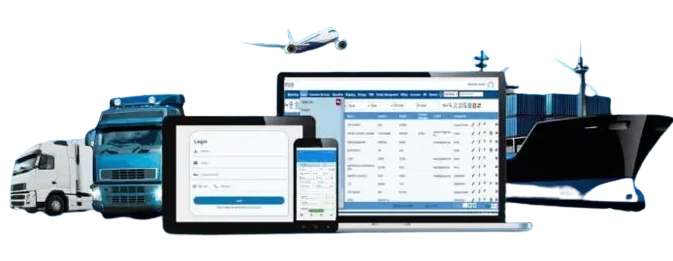
 Freight Forwarding Software
 Warehouse Management System
 Transport Management System
 Moving/Removal Software
 Customer Service Portal
 Move Survey Quote Pro
 Digital Logistics Inventory App
Air freight is one of the fastest-moving areas of global logistics. Freight forwarders and logistics companies manage bookings, quotations, documentation, customs coordination, shipment tracking, customer communication, billing, and carrier interactions often across multiple systems.
As shipment volumes increase, managing these processes through spreadsheets, emails, and disconnected applications can create delays, data duplication, and limited visibility.
This is where digital air freight software can make a difference.
Modern air freight software helps freight forwarders centralize operations, automate repetitive processes, improve shipment visibility, and connect teams through a single digital platform.
In this guide, we compare 9 air freight software tools for 2026, their key features, pricing approaches, and the types of logistics businesses they may suit.
What Is Air Freight Software?
Air freight software is a digital platform designed to help freight forwarders, logistics providers, and cargo businesses manage air shipment operations.
Depending on the platform, it can support activities such as:
- Air shipment management
- Freight quotations
- Booking management
- Air Waybill (AWB) management
- Shipment tracking
- Freight documentation
- Customs coordination
- Carrier management
- Customer communication
- Billing and invoicing
- Accounting
- Reporting and analytics
- API and EDI integrations
Instead of managing different processes through separate tools, companies can use freight forwarding software to connect multiple stages of the logistics workflow.
Top 9 Air Freight Software Tools for 2026
1. QuickMove
Best for: Freight forwarders and logistics companies looking for an integrated digital logistics software.
QuickMove provides a unified platform designed to help logistics and freight businesses manage their operations digitally. Its capabilities extend across freight forwarding, transportation, warehousing, customer management, documentation, billing, and other logistics workflows.
Key capabilities include:
- Freight forwarding management
- Air and multimodal shipment management
- Shipment tracking and milestones
- Automated documentation
- Customer portal
- CRM and ERP capabilities
- Billing and invoicing
- AI-powered automation
- Mobile applications
- Reporting and operational visibility
- Integration capabilities
For companies looking to reduce dependence on spreadsheets and disconnected systems, an integrated platform can provide a more centralized approach to managing freight operations.
Best suited for: Freight forwarders, moving and logistics companies, and businesses looking to modernize their digital logistics operations.
2. Magaya
Best for: Freight forwarders and logistics companies looking for an integrated logistics management platform.
Magaya provides technology for freight forwarding, logistics, warehouse management, and supply chain operations.
Its capabilities can include:
- Freight forwarding
- Shipment management
- Warehouse management
- Tracking
- Documentation
- Accounting
- Customer visibility
- Automation
Magaya can be relevant for logistics businesses that want to manage forwarding and related operational activities through a connected platform.
3. CargoWise
Best for: Global logistics companies with complex forwarding and supply chain requirements.
CargoWise is a widely used logistics platform designed to support global logistics operations across multiple transportation modes and business processes.
Key capabilities include:
- Freight forwarding
- Customs and compliance
- Shipment management
- Warehouse management
- Accounting
- Documentation
- Global trade management
- Reporting and analytics
Its broad functionality makes it relevant for organizations operating across multiple countries, branches, and logistics processes.
4. Descartes
Best for: Businesses looking for transportation, logistics, compliance, and global trade technology.
Descartes provides a range of solutions covering logistics, transportation management, customs, compliance, and supply chain processes.
Depending on the solution selected, capabilities may include:
- Transportation management
- Shipment visibility
- Customs compliance
- Global trade management
- Carrier connectivity
- Freight management
- Data and analytics
Companies with complex international logistics requirements may consider Descartes as part of their digital logistics technology stack.
5. GoFreight
Best for: Freight forwarders looking for cloud-based forwarding software.
GoFreight focuses on freight forwarding operations and provides tools for managing shipments and related processes.
Key capabilities include:
- Shipment management
- Documentation
- Accounting
- Tracking
- Customer management
- Reporting
- Freight operations management
Cloud-based freight software can help teams access operational information without depending entirely on locally stored systems or spreadsheets.
6. FreightPOP
Best for: Companies looking to centralize freight and ransportation management.
FreightPOP provides freight management and transportation-related technology designed to help businesses manage shipments and carrier activity.
Key capabilities include:
- Freight management
- Shipment tracking
- Transportation management
- Rate management
- Carrier management
- Reporting
- Integrations
It can be considered by companies looking for greater visibility across transportation and freight processes.
7. Logitude World
Best for: Freight forwarding businesses looking for forwarding and logistics management capabilities.
Logitude World provides software designed around freight forwarding operations across different transportation modes.
Key capabilities include:
- Air freight
- Ocean freight
- Shipment management
- Documentation
- Accounting
- CRM
- Tracking
- Freight operations management
Its combination of forwarding and business management features makes it relevant for freight forwarding companies looking to digitize their daily operations.
8. Freightos
Best for: Digital freight rate comparison and booking.
Freightos focuses on digital freight procurement, rate comparison, and booking processes.
Key capabilities include:
- Freight rate comparison
- Digital booking
- Carrier connectivity
- Freight marketplace capabilities
- Shipment visibility
For businesses focused on simplifying freight procurement and booking, digital freight platforms can help reduce some of the manual processes involved in comparing and arranging shipments.
9. SAP Transportation Management
Best for: Large enterprises with complex transportation and ERP requirements.
SAP Transportation Management is designed to support transportation planning and execution within larger enterprise environments.
Key capabilities include:
- Transportation planning
- Freight management
- Carrier management
- Transportation execution
- Analytics
- Enterprise integrations
For organizations already operating within an SAP environment, transportation management capabilities can be integrated into broader enterprise workflows.
Air Freight Software Comparison
Choosing the right software requires more than looking at the number of features. Companies should consider whether a platform fits their shipment volume, business model, existing systems, and future growth plans.
| Software | Best For | Shipment Management | Tracking | Documentation | Billing | Automation |
| QuickMove | Freight & logistics companies | ✓ | ✓ | ✓ | ✓ | ✓ |
| Magaya | Logistics companies | ✓ | ✓ | ✓ | ✓ | ✓ |
| CargoWise | Global logistics operations | ✓ | ✓ | ✓ | ✓ | ✓ |
| Descartes | Global trade & logistics | ✓ | ✓ | ✓ | ✓ | ✓ |
| GoFreight | Freight forwarders | ✓ | ✓ | ✓ | ✓ | ✓ |
| FreightPOP | Freight management | ✓ | ✓ | ✓ | ✓ | ✓ |
| Logitude World | Freight forwarders | ✓ | ✓ | ✓ | ✓ | ✓ |
| Freightos | Digital freight booking | ✓ | ✓ | — | — | ✓ |
| SAP TM | Enterprise transportation | ✓ | ✓ | ✓ | ✓ | ✓ |
Feature availability can vary by product version, module, integration, and deployment. Verify capabilities directly with each vendor before making a purchasing decision.
Key Features to Look for in Air Freight Software
Selecting an air freight management system requires looking beyond basic shipment tracking. Decision-makers should evaluate how well the platform supports the complete operational workflow.
1. Air Shipment Management
The software should make it easier to manage bookings, shipments, milestones, carriers, and shipment-related information from a centralized system.
2. Real-Time Shipment Visibility
Shipment visibility is increasingly important for both logistics teams and customers.
Look for software that provides real-time or near-real-time tracking information and allows teams to monitor important shipment milestones.
3. Documentation Automation
Air freight involves considerable documentation. Manual data entry can increase the possibility of errors and consume operational time.
Documentation Automation can help teams generate, manage, and organize important freight documents more efficiently.
4. Quotation and Rate Management
Freight forwarders need to manage rates and prepare accurate quotations quickly.
A centralized rate and quotation workflow can help teams respond to customer requests more efficiently.
5. Billing and Accounting
Operational and financial processes should not operate completely separately.
Modern freight forwarding software can connect shipment activity with billing, invoicing, and accounting workflows.
6. Customer Portal
Customers increasingly expect access to shipment information without having to contact an operations team for every update.
A customer portal can provide access to:
- Shipment status
- Tracking information
- Documents
- Milestones
- Notifications
- Other relevant shipment information
7. Integrations
The software should be able to connect with the systems a logistics company already uses.
Important integrations can include:
- Carrier systems
- ERP systems
- CRM platforms
- Accounting software
- Customs systems
- EDI
- APIs
- Customer portals
8. Automation and AI
Automation can help reduce repetitive manual tasks.
Depending on the platform, automation may support documentation, data processing, notifications, workflows, reporting, and other operational activities.
9. Scalability
A software platform should be able to support business growth.
Before selecting a solution, consider:
- Number of users
- Shipment volume
- Number of branches
- Countries served
- Transportation modes
- Customer volume
- Integration requirements
A solution should support the company’s current requirements while also being capable of handling future growth.
How Much Does Air Freight Software Cost?
There is no single price for air freight software.
B2B logistics platforms often use customized pricing based on factors such as:
- Number of users
- Shipment volume
- Selected modules
- Number of branches
- Integrations
- Implementation requirements
- Customization
- Support requirements
Some vendors may offer standardized plans, while enterprise platforms may provide customized quotes.
Therefore, comparing only the subscription price can give an incomplete picture.
Decision-makers should consider the total cost of ownership, including:.
Software + Implementation + Integration + Training + Customization + Support
The goal should be to understand the overall business investment rather than simply choosing the lowest subscription price.
Why Digital Logistics Is Becoming Important in Air Freight
Traditional freight operations can involve multiple disconnected systems.
For example:
Quotation → Email → Spreadsheet → Booking System → Tracking Platform → Documentation → Accounting Software
When information is spread across different systems, employees may spend more time transferring data between applications.
A modern digital logistics platform aims to connect these workflows.
A more connected process can look like:
Quotation → Booking → Documentation → Shipment → Tracking → Customer Visibility → Billing
This approach can provide teams with a centralized view of freight operations while reducing unnecessary manual processes.
How to Choose the Right Air Freight Software
Before selecting a platform, decision-makers should evaluate their current operations.
Start by asking:
What processes are currently manual?
Identify activities such as:
- Data entry
- Documentation
- Tracking updates
- Quotation preparation
- Billing
- Customer communication
- Reporting
Where are operational delays happening?
Look at areas where employees regularly need to wait for information, switch between systems, or manually verify data.
Can the software integrate with existing systems?
A new platform should fit into the company’s existing technology environment rather than creating another isolated system.
Can it scale with the business?
Consider where the company expects to be in the next three to five years.
Does it provide customer visibility?
Customer expectations around shipment visibility continue to increase. A customer portal and automated notifications can reduce the need for repetitive status inquiries.
Conclusion
The air freight industry is becoming increasingly digital, and freight forwarders need technology that can support more than basic shipment tracking.
The right air freight software can connect important processes such as quotations, bookings, documentation, shipment tracking, customer communication, billing, and reporting.
When comparing software in 2026, decision-makers should evaluate more than the feature list or subscription price. Consider integration capabilities, automation, scalability, customer visibility, implementation requirements, and total cost of ownership.