Email Us
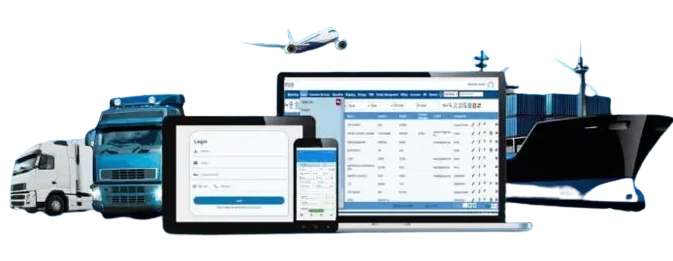
 Freight Forwarding Software
 Warehouse Management System
 Transport Management System
 Moving/Removal Software
 Customer Service Portal
 Move Survey Quote Pro
 Digital Logistics Inventory App
Shipping rarely goes exactly as planned. A vessel may be delayed, a customer may change the delivery address, cargo may be held at customs, a carrier may cancel a booking, or an urgent shipment may suddenly need a different route. For freight forwarders, these last-minute changes can create pressure across operations, customer service, documentation, billing, and transportation.
The ability to respond quickly is therefore becoming just as important as the ability to plan ahead.
A resilient freight forwarding operation needs accurate information, clear communication, flexible processes, and the right technology. This is where freight forwarding software, freight software, and modern logistics software can help freight forwarders manage unexpected changes without losing control of their operations.
What Is Operational Resilience in Freight Forwarding?
Operational resilience means having the ability to continue business operations when unexpected problems occur.
For a freight forwarder, this could include:
- Vessel or flight delays
- Port congestion
- Customs clearance issues
- Sudden route changes
- Carrier cancellations
- Documentation errors
- Changes in customer requirements
- Warehouse capacity problems
- Transportation delays
- Unexpected changes in freight rates
A resilient freight forwarding company does not simply react when something goes wrong. It has processes and systems that help employees identify problems early and take action quickly.
Why Last-Minute Shipping Changes Are a Major Challenge
A small change in one part of a shipment can affect several other activities.
For example, if a vessel is delayed, the freight forwarder may need to:
- Inform the customer.
- Check alternative sailing options.
- Coordinate with the carrier.
- Update shipment information.
- Adjust transportation arrangements.
- Review warehouse requirements.
- Update documentation.
- Recalculate costs if necessary.
- Inform internal teams.
When these activities are managed through spreadsheets, emails, phone calls, and disconnected systems, the risk of mistakes increases.
This is why digitalization has become increasingly important for modern freight forwarding companies.
1. Keep Shipment Information in One Place
One of the biggest problems during an unexpected shipment change is finding accurate information.
Operations teams may need to check emails, spreadsheets, documents, customer messages, and carrier updates before making a decision.
A centralized freight forwarding software platform can bring important shipment information together in one system.
Depending on the system, teams can manage information such as:
- Shipment details
- Customer information
- Carrier details
- Cargo information
- Documentation
- Shipment status
- Costs and revenue
- Delivery information
- Communication history
Having centralized information allows employees to understand the current situation faster and make informed decisions
2. Create Alternative Shipping Plans
A resilient freight forwarder should not depend entirely on one shipping option.
When a planned route becomes unavailable, the team should be able to evaluate alternatives quickly.
For example, a shipment could potentially be moved through:
- Another carrier
- Another vessel
- Another airport
- Another port
- An alternative transportation route
- Different delivery arrangements
Modern logistics software can help teams organize shipment information and compare available options more efficiently.
The goal is not simply to find another route. It is to find an alternative that balances cost, time, customer requirements, and operational feasibility.
3. Improve Communication With Customers
When shipping plans change, customers usually want one thing first: information.
They want to know:
- What happened?
- Where is the shipment?
- Will the delivery be delayed?
- What is being done about it?
- When can they expect the shipment?
Poor communication can make an operational problem much worse.
Freight forwarders should establish clear communication procedures for unexpected events. Important updates should reach customers quickly instead of waiting until the problem becomes serious.
A centralized freight software system can also help teams access current shipment information before communicating with customers.
4. Automate Repetitive Operational Tasks
When unexpected problems occur, employees need time to solve the problem—not spend hours performing repetitive administrative work.
Automation can help reduce manual effort in areas such as:
- Shipment updates
- Documentation workflows
- Notifications
- Billing processes
- Data entry
- Task assignments
- Status updates
- Customer communication
With the right freight forwarding software, routine processes can be streamlined so employees can focus on exceptions and customer requirements.
This is particularly valuable for freight forwarders managing a large number of shipments simultaneously.
5. Maintain Accurate Documentation
Documentation is one of the most important parts of freight forwarding.
A last-minute change may require documents to be reviewed or updated. If information is inconsistent across different systems, even a small error can cause delays.
A digital freight management system can help teams maintain organized shipment records and reduce dependency on manually maintained documents.
Accurate documentation can help freight forwarders reduce:
- Data-entry mistakes
- Missing information
- Duplicate records
- Communication gaps
- Delays caused by incorrect documentation
6. Monitor Shipments and Identify Problems Early
Resilience is not only about responding to problems. It is also about identifying them before they become major disruptions.
Shipment visibility can help freight forwarders monitor important events and take action when something changes.
For example, if a shipment is delayed, the operations team can begin reviewing alternative arrangements instead of waiting for the customer to discover the delay.
Better visibility allows companies to move from a reactive approach to a proactive approach.
7. Build Strong Relationships With Carriers and Partners
Technology alone cannot solve every logistics problem.
Strong relationships with carriers, customs agents, transport providers, warehouses, and other logistics partners can make it easier to find alternatives when plans change.
Freight forwarders should maintain reliable partner networks and regularly evaluate:
- Service quality
- Reliability
- Response time
- Pricing
- Geographic coverage
- Capacity availability
A strong partner network gives freight forwarders more options when disruptions occur.
8. Use Data to Make Better Decisions
When a shipment changes unexpectedly, decisions often need to be made quickly.
Without reliable data, employees may depend heavily on assumptions or manual calculations.
Modern logistics software can provide better visibility into operational and financial information.
Businesses can use data to understand:
- Shipment performance
- Carrier performance
- Transportation costs
- Customer requirements
- Delivery delays
- Operational bottlenecks
- Revenue and profitability
Over time, this information can help management identify recurring problems and improve processes.
9. Prepare Standard Procedures for Common Disruptions
Not every disruption should require a completely new response.
Freight forwarders can create standard operating procedures for common situations such as:
Scenario: Vessel Delay
- Confirm the delay.
- Identify affected shipments.
- Notify customers.
- Contact the carrier.
- Check alternative options.
- Update shipment information.
- Adjust transportation plans.
- Monitor the revised schedule.
Having predefined procedures helps employees respond consistently, even when operations become stressful.
10. Train Employees to Manage Exceptions
Technology is important, but experienced employees remain essential.
Employees should understand how to respond when:
- A shipment is delayed
- A customer changes requirements
- Documentation needs correction
- A carrier cancels a booking
- Customs creates a clearance issue
- Transportation capacity becomes unavailable
Regular training can help employees make faster and more confident decisions.
The best results come when experienced people and technology work together.
How Freight Forwarding Software Supports a Resilient Operation
A modern freight forwarding platform can connect different areas of the business and give teams better visibility.
Instead of managing freight operations through disconnected tools, companies can use freight forwarding software to streamline important activities from one platform.
Depending on the solution, this may include:
- Customer relationship management
- Freight operations
- Shipment management
- Documentation
- Accounting
- Billing
- Transportation management
- Warehouse management
- Customer portals
- Reporting and analytics
This connected approach can reduce information gaps and help employees respond more quickly when shipping plans change.
The Future of Resilient Freight Forwarding
The freight industry will continue to face uncertainty.
Weather events, port congestion, geopolitical developments, carrier capacity changes, customs requirements, and customer expectations can all affect shipping plans.
Freight forwarders cannot prevent every disruption.
But they can prepare for disruption.
Companies that invest in freight software and logistics software can create more connected, visible, and flexible operations. Instead of relying entirely on manual processes, they can use technology to improve decision-making and respond faster.
The objective is simple: when the plan changes, the business should not stop.
Final Thoughts
Last-minute shipping changes are an unavoidable part of freight forwarding. The difference between a fragile operation and a resilient one is how quickly and effectively the company can respond.
By centralizing information, preparing alternative plans, improving communication, automating repetitive work, maintaining accurate documentation, monitoring shipments, and using reliable freight forwarding software, freight forwarders can build operations that are better prepared for unexpected changes.
Resilience is no longer just about solving problems after they happen. It is about creating a freight operation that is flexible enough to adapt when circumstances change.