 Email Us
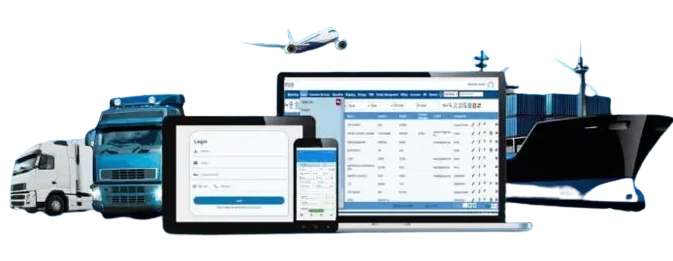
 Freight Forwarding Software
 Warehouse Management System
 Transport Management System
 Moving/Removal Software
 Service Portal
 Move Survey Quote Pro
 Digital Logistics Inventory App
The global logistics and freight forwarding industry is undergoing a profound digital transformation. Rising customer expectations, volatile fuel costs, supply chain disruptions, and increasing regulatory complexity are forcing logistics companies to rethink traditional operating models.
At the center of this transformation is AI freight forwarding software—a next-generation solution that combines automation, machine learning, predictive analytics, and real-time data to optimize logistics operations end to end.
For logistics providers still relying on spreadsheets, email-based workflows, or legacy systems, adopting AI-driven freight software is no longer optional. It is a strategic necessity for survival and scale.
What Is AI Freight Forwarding Software?
AI freight forwarding software is an intelligent digital platform designed to manage and optimize freight operations using artificial intelligence technologies such as:
- Machine learning (ML)
- Predictive analytics
- Natural language processing (NLP)
- Real-time data integration (IoT, GPS, APIs)
Unlike traditional freight management systems, AI-enabled platforms learn from historical and live data, continuously improving decision-making, forecasting accuracy, and operational efficiency.
Key Benefits of AI-Powered Freight Forwarding Software
1. Operational Efficiency Through Intelligent Automation
AI automates high-volume, repetitive freight tasks that traditionally consume significant manpower, including:
- Shipment tracking and status updates
- Route and carrier selection
- Customs documentation validation
- Freight invoicing and reconciliation
- Exception handling and alerts
Machine learning models analyze historical shipment data to optimize workflows over time. For example, the system can automatically flag incorrect HS codes, missing customs documents, or high-risk shipments before delays occur.
Business impact:
- Reduced manual effort
- Faster shipment processing
- Fewer errors and compliance issues
- Higher employee productivity
2. Predictive Decision-Making with Advanced Analytics
Traditional freight operations are reactive. AI-powered freight forwarding software shifts logistics teams toward proactive decision-making.
By analyzing real-time and historical data from:
- GPS tracking systems
- IoT sensors
- Weather services
- Port congestion data
- Global shipping databases
AI systems can:
- Predict shipment delays
- Forecast accurate ETAs
- Identify high-risk routes
- Recommend alternate carriers or transit paths
This allows logistics managers to act before disruptions escalate, protecting service levels and customer trust.
3. Cost Reduction Across the Entire Supply Chain
AI identifies hidden inefficiencies that are difficult to detect manually, such as:
- Underutilized cargo space
- Inefficient routing
- Excessive fuel consumption
- Poor carrier performance
Automation also significantly reduces human error—one of the leading causes of penalties, rework, and revenue leakage in logistics operations.
Result:
- Lower operating costs
- Improved margin control
- Optimized asset utilization
4. Enhanced Customer Experience and Transparency
Modern shippers demand speed, visibility, and real-time communication. AI freight forwarding platforms deliver this through:
- Live GPS-based shipment tracking
- Automated status notifications
- AI chatbots for instant customer support
- Predictive delivery updates
This level of transparency builds trust, improves retention, and increases repeat business—critical in today’s competitive logistics market.
Why AI Freight Software Is Gaining Rapid Adoption in Dubai
Dubai is a global logistics powerhouse connecting East and West through world-class ports, airports, and free zones. The UAE government’s focus on digital transformation—through initiatives like Dubai Vision 2030 and Dubai Logistics Strategy 2030—has accelerated AI adoption across logistics operations.
1. AI-Driven Smart Port Management
Jebel Ali Port, one of the busiest ports globally, uses AI-enabled systems for:
- Berth allocation
- Cargo flow optimization
- Resource planning
These technologies have significantly reduced vessel turnaround times and improved port productivity.
2. Intelligent Trade Route Optimization
Dubai-based logistics providers leverage AI to calculate the most efficient trade routes by analyzing:
- Traffic patterns
- Weather conditions
- Fuel costs
- Geopolitical risks
This enables faster deliveries and cost-effective routing across global trade lanes.
3. AI-Enabled Customs and Regulatory Compliance
Dubai Customs uses AI-based risk assessment and automated audits to streamline import and export clearance.
When integrated with AI freight forwarding software, this results in:
- Faster customs clearance
- Reduced inspection delays
- Minimal paperwork errors
4. Data-Driven Supply Chain and Warehouse Planning
Leading logistics companies in Dubai use AI insights to:
- Forecast demand
- Optimize inventory levels
- Improve warehouse throughput
AI-powered freight forwarding platforms serve as the central intelligence layer, connecting transportation, warehousing, and trade compliance.
Must-Have Features in AI Freight Forwarding Software
When evaluating AI freight solutions, logistics companies should look for:
- Real-time shipment tracking
- Predictive ETA forecasting
- Automated documentation & compliance checks
- AI-based carrier selection
- Dynamic route optimization
- Integrated invoicing and billing
- Analytics dashboards and reporting
- API integrations with customs, ports, ERP, and CRM systems
Implementation Challenges—and How to Overcome Them
While AI adoption delivers massive benefits, companies should plan for:
- Data quality issues → Start with clean, structured data
- Change management → Train teams and phase adoption
- System integration → Choose platforms with strong API support
Partnering with an experienced freight software provider reduces implementation risk and accelerates ROI.
The Future of AI in Freight Forwarding
AI will continue to evolve logistics operations through:
- Autonomous shipment planning
- Real-time carbon footprint optimization
- AI-powered demand sensing
- Blockchain-integrated trade documentation
Companies that adopt AI early will gain a lasting competitive advantage in efficiency, resilience, and customer experience.
Conclusion
AI-enabled freight forwarding software is transforming how logistics companies operate, compete, and grow. From operational efficiency and cost reduction to predictive decision-making and superior customer experience, the benefits are measurable and immediate.
Dubai’s logistics ecosystem demonstrates how early AI adoption leads to faster port operations, smarter routing, and seamless regulatory compliance. As global trade grows more complex, AI freight software will no longer be a differentiator—it will be the standard.
Logistics companies that invest in AI today are positioning themselves to scale sustainably, respond faster to disruption, and meet the evolving demands of the global marketplace.
Great article! The blog clearly explains how AI-powered freight forwarding software is transforming the logistics industry through automation, predictive analytics, route optimization, and real-time tracking. I especially liked the point about shifting from reactive logistics management to proactive decision-making using AI insights. In today’s fast-moving supply chain environment, businesses that continue relying on spreadsheets and outdated systems may struggle to compete. The focus on Dubai’s smart logistics ecosystem and AI-driven customs operations also added strong real-world relevance to the topic. Very informative and well-structured content for logistics professionals looking to modernize operations.
Thank you for your valuable feedback! We’re delighted to hear that you found the article insightful and relevant. AI is rapidly transforming freight forwarding, helping logistics companies improve efficiency, visibility, and decision-making. We also appreciate your recognition of Dubai’s growing role in smart logistics and digital trade. Thanks for reading, and stay tuned for more insights on logistics technology and innovation!