Email Us
 Freight Forwarding Software
 Warehouse Management System
 Transport Management System
 Moving/Removal Software
 Customer Service Portal
 Move Survey Quote Pro
 Digital Logistics Inventory App
Managing cargo drivers in 2026 requires more than checking attendance, assigning trips, and tracking vehicle locations. Transport companies need to understand how safely each driver operates, how consistently they complete deliveries, and whether violations are increasing operational risk.
A modern cargo driver app makes this possible through driver scoring. By evaluating driving behaviour, delivery performance, and violations, logistics companies can replace assumptions with measurable insights.
QuickMove’s Cargo Drive App connects drivers with transport operations through a mobile-first digital workflow. When combined with the wider QuickMove Transport Management System, it helps businesses improve field visibility, digitalise delivery activities, and build a more accountable transport operation.
What Is a Cargo Driver App?
A cargo driver app is a mobile application developed for truck drivers, delivery drivers, and field transportation teams. It connects drivers directly with dispatchers and operations managers, allowing important trip information to move between the road and the office.
Instead of depending on telephone calls, paper documents, and WhatsApp messages, drivers can use one application to manage daily transport activities.
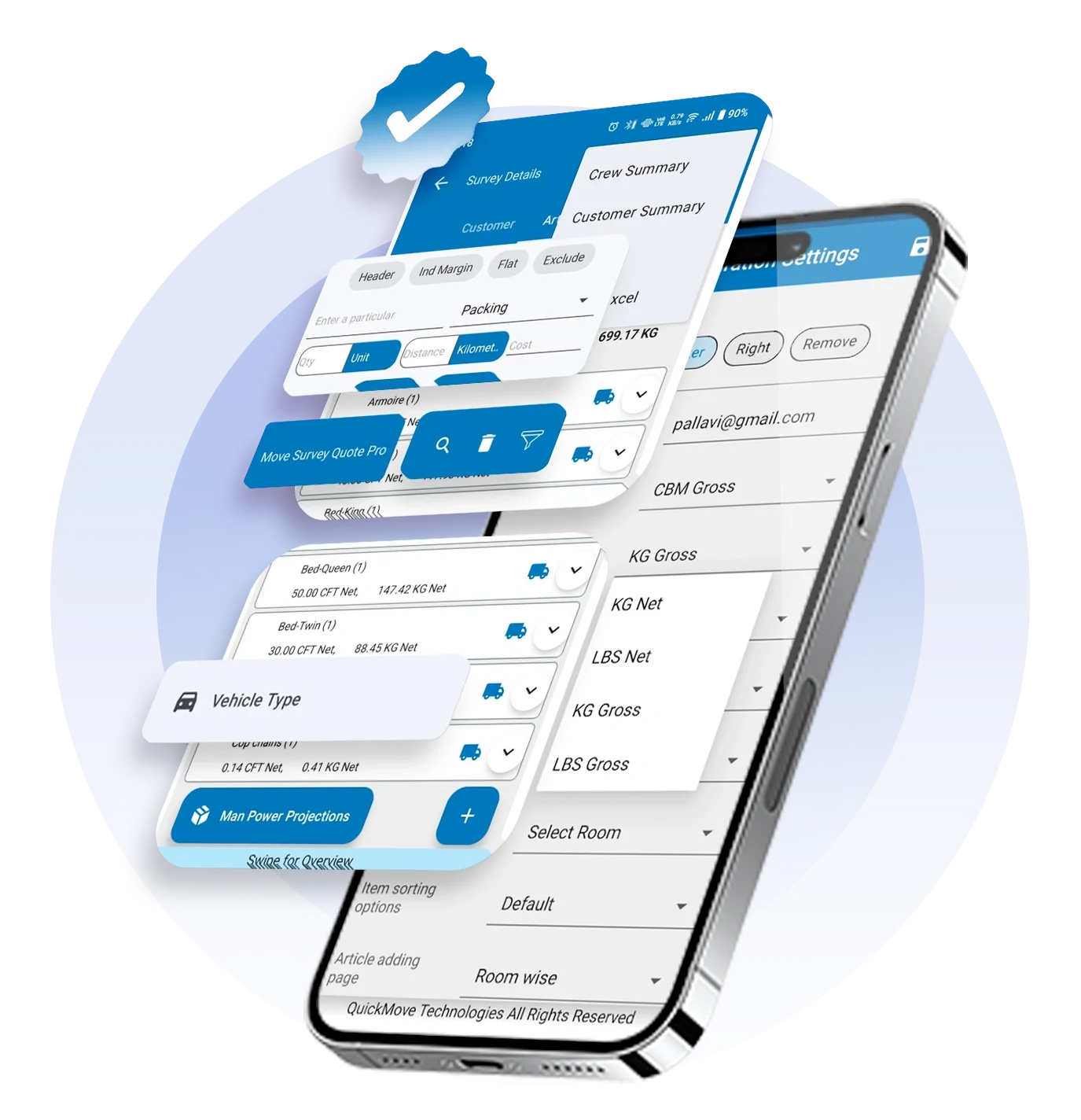
The best cargo driver app in 2026 should support:
- Digital trip and job assignments
- Driver status updates
- Delivery progress tracking
- Electronic Proof of Delivery
- Exception and delay reporting
- Driver performance monitoring
- Safety and violation records
- Communication between drivers and dispatchers
- Centralised reporting for fleet managers
This digital connection provides the information required to evaluate drivers fairly and improve fleet performance.
What Is Driver Scoring in Transport Management?
Driver scoring is a structured method of measuring a driver’s safety, reliability, compliance, and operational performance. Each driver receives a score based on selected performance indicators rather than personal opinions.
A company may calculate its driver score using a weighted system. For example:
- Driving behaviour: 40%
- Delivery performance: 35%
- Violations and compliance: 25%
The exact calculation can vary according to the company’s priorities. A last-mile delivery company may focus heavily on on-time delivery, while a long-haul cargo business may give greater importance to safety, compliance, and fuel-efficient driving.
Why Driver Scoring Matters in 2026
Customers now expect accurate delivery updates, reliable service, and fast confirmation. At the same time, transport companies must control fuel expenses, vehicle damage, insurance risk, and driver-related delays.
Without a proper driver performance tracking system, managers may only notice a problem after an accident, complaint, missed delivery, or regulatory violation.
Driver scoring allows transport companies to identify risks earlier. It also creates a fair process for recognising responsible drivers, planning training, and making better trip-assignment decisions.
Three Main Areas of Driver Performance Scoring
An effective driver score should consider behaviour, operational performance, and violations. Looking at only one category can produce an incomplete or unfair result.
1. Driver Behaviour Monitoring
Driving behaviour shows how a driver operates the vehicle during a trip. Depending on the available telematics or GPS integration, a transport business may monitor events such as:
- Harsh acceleration
- Sudden braking
- Overspeeding
- Sharp cornering
- Excessive engine idling
- Unauthorised route deviations
- Long driving periods without sufficient rest
- Repeated stops at unauthorised locations
Turning Behavioural Data Into Action
A single harsh-braking event should not automatically classify someone as an unsafe driver. The driver may have responded to traffic or avoided an accident. Managers should examine event frequency, route conditions, cargo type, and journey distance before taking action.
When behaviour patterns are reviewed over time, the company can provide targeted coaching. This makes driver scoring a tool for improvement—not simply punishment.
2. Driver Performance Measurement
Behaviour scoring focuses on how the vehicle is driven, while performance scoring examines how effectively the driver completes assigned work.
Important cargo driver performance metrics can include:
- On-time trip acceptance
- On-time arrival and delivery
- Successful first-attempt deliveries
- Trip completion rate
- Accurate delivery status updates
- Electronic Proof of Delivery submission
- Customer complaints or positive feedback
- Response time during delivery exceptions
- Compliance with assigned routes and schedules
- Fuel consumption compared with planned usage
Measuring Performance Fairly
Drivers should be evaluated using factors within their control. Traffic congestion, vehicle breakdowns, unrealistic schedules, warehouse delays, and customer unavailability can affect delivery times.
A well-designed scoring process records these exceptions so that drivers are not unfairly penalised. This creates greater trust in the system and encourages drivers to provide accurate field updates.
3. Driver Violations and Compliance
Violations can expose a transport company to financial penalties, accidents, damaged cargo, insurance claims, and reputational harm.
A driver violation tracking system may record:
- Speeding violations
- Traffic fines
- Licence-related issues
- Expired driver documents
- Hours-of-service violations
- Unauthorised vehicle use
- Missing delivery documents
- Safety-procedure breaches
- Repeated failure to report incidents
- Cargo-handling non-compliance
Applying the Right Weight to Violations
Not every violation carries the same level of risk. A minor documentation delay should not receive the same deduction as dangerous driving or operating with an invalid licence.
Transport companies should create clear categories for minor, major, and critical violations. Drivers should also be informed about how scores are calculated and allowed to clarify incorrectly recorded events.
Benefits of a Driver Scoring System
When implemented correctly, driver scoring creates value across the entire transport operation.
Improved Fleet Safety
Monitoring unsafe patterns enables managers to arrange coaching before risky behaviour results in a serious incident.
Lower Operating Costs
Safer and smoother driving can support better fuel management while reducing unnecessary tyre wear, brake wear, vehicle damage, and maintenance requirements.
Greater Driver Accountability
Digital trip updates create a clearer record of assigned jobs, delivery activities, exceptions, and completed work.
Better Driver Recognition
High-performing drivers can be recognised through incentives, bonuses, preferred assignments, certificates, or career-development opportunities.
Smarter Trip Assignment
Managers can consider driver scores when assigning sensitive cargo, priority customers, long-distance journeys, or time-critical deliveries.
Stronger Customer Service
Reliable drivers, timely updates, and faster Proof of Delivery processing help transport companies provide a more professional customer experience.
How QuickMove’s Cargo Drive App Is Revolutionising Driver Operations
QuickMove’s Cargo Drive App helps bring drivers into the company’s digital transport workflow. Rather than allowing field operations to become disconnected after a vehicle leaves the hub, the app enables drivers and office teams to exchange important operational information.
QuickMove’s published Cargo Drive capabilities include field updates, delivery information, digital Proof of Delivery, exception communication, and stronger coordination between drivers and transport teams. These digital records can provide valuable operational inputs for a structured driver-performance process. Learn more about QuickMove Cargo Drive.
Connecting Drivers, Dispatchers, and Operations
Drivers can participate directly in the transport workflow instead of relying completely on calls and paperwork. Operations teams receive faster field-level information, while drivers gain a clearer and more organised process for completing assigned activities.
Supporting Data-Based Driver Reviews
Trip completion records, delivery updates, reported exceptions, and Proof of Delivery submissions give managers measurable information for performance reviews.
When this operational information is combined with approved GPS or telematics data, businesses can develop a more complete driver score covering behaviour, productivity, and compliance.
Improving Electronic Proof of Delivery
Paper POD documents can be misplaced, damaged, or submitted late. QuickMove supports electronic Proof of Delivery as part of its connected transport workflow, helping teams confirm completed deliveries and maintain more organised records.
Creating Greater Transparency
A digital record protects both the company and its drivers. Managers can understand why a delivery was delayed, while drivers can document customer unavailability, traffic disruption, cargo issues, or other exceptions outside their control.
Managing Transport Operations From One Ecosystem
QuickMove TMS supports shipment automation, fleet and vehicle management, in-transit visibility, centralised delivery management, electronic POD and electronic lorry-receipt collection.
Connecting these functions with driver activities reduces information gaps and provides management with a clearer view of transport execution.
How to Introduce Driver Scoring Successfully
Technology alone cannot create a successful driver-scoring programme. Transport companies should introduce it through a transparent and practical process.
Step 1: Select Relevant Scoring Metrics
Choose metrics that match the company’s routes, cargo types, customer commitments, and safety policies.
Step 2: Explain the System to Drivers
Drivers should know what is measured, how each factor is weighted, and how the score will be used.
Step 3: Review Context Before Applying Penalties
Investigate road conditions, operational delays, vehicle problems, and emergencies before reducing a driver’s score.
Step 4: Use Scores for Coaching and Recognition
Driver scoring should identify training requirements while rewarding consistent and responsible performance.
Final Thoughts: Choosing the Best Cargo Driver App in 2026
The best cargo driver app in 2026 should do more than send assignments or display a vehicle’s location. It should connect drivers with daily transport operations and provide reliable information for improving safety, performance, compliance, and customer service.
Driver scoring gives transport companies a structured way to measure driving behaviour, delivery performance, and violations. When scores are transparent and supported by accurate data, they help managers reduce risk while giving responsible drivers the recognition they deserve.
QuickMove’s Cargo Drive App represents an important move towards connected, mobile-first transport management. By bringing field updates, delivery activities, exception reporting, and digital POD into the wider QuickMove ecosystem, it helps turn everyday driver activity into useful operational intelligence.
For cargo and transport businesses ready to reduce paperwork, improve driver accountability, and gain better control over every trip, QuickMove offers a smarter path towards digitally connected fleet operations.