Email Us
 Freight Forwarding Software
 Warehouse Management System
 Transport Management System
 Moving/Removal Software
 Customer Service Portal
 Move Survey Quote Pro
 Digital Logistics Inventory App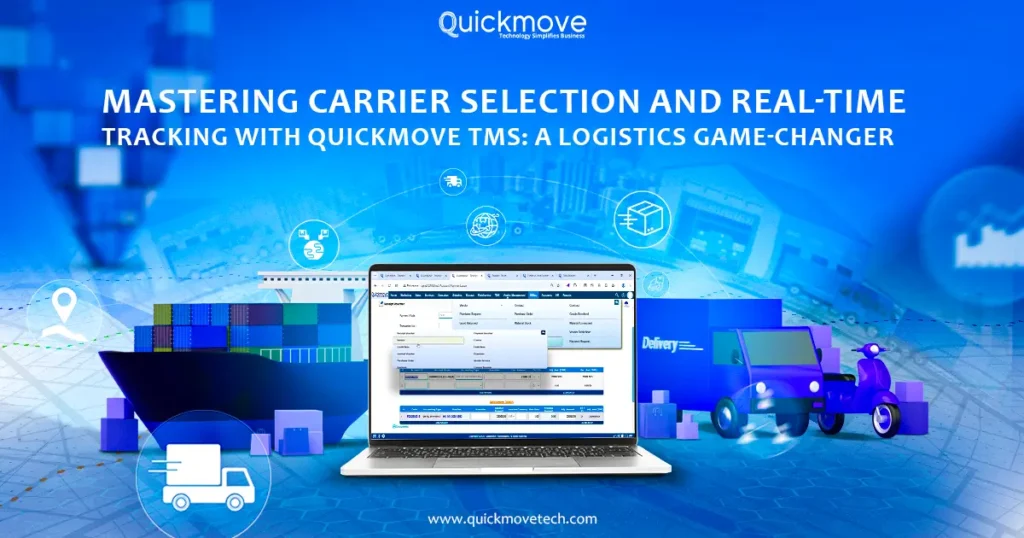
In the hyper-competitive logistics landscape, efficiency and visibility are the twin pillars of success. Modern customers demand transparency, and operations teams need the ability to make split-second, data-driven decisions. The old way of managing logistics relying on spreadsheets, phone calls, and manual carrier vetting simply doesn’t cut it anymore.
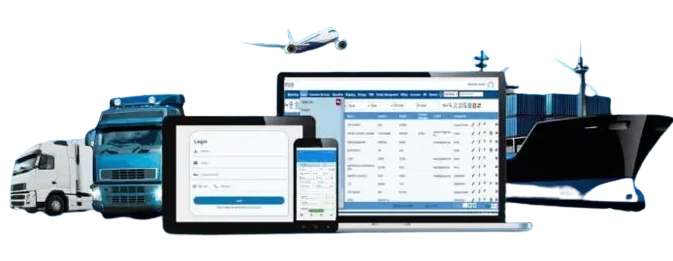
Enter the Transport Management System . A robust TMS is no longer a “nice-to-have”; it is the central nervous system of any successful logistics operation. QuickMove Technology’s TMS is a unified cloud-based solution designed to streamline transportation processes, save money, and enhance visibility across the entire logistics value chain.
This blog post dives deep into the two most critical functions of a modern TMS intelligent carrier selection and real-time tracking and explores how QuickMove TMS empowers businesses to master both.
The Strategic Imperative of Intelligent Carrier Selection
Choosing the right carrier for a shipment is a complex decision that impacts cost, service levels, customer satisfaction, and profitability. It is a delicate balancing act between price, capacity, service level agreements (SLAs), and reliability. A modern TMS moves this process away from manual guesswork and toward automated intelligence.
QuickMove TMS simplifies this strategic task by providing a centralized platform to manage both your own fleet and third-party logistics providers (3PLs). It includes advanced fleet management and assignment tools that facilitate easy coordination and vendor integration. The platform evaluates factors like cost, distance, capacity, and service levels to suggest the best possible transport plan for every order.
Why Manual Carrier Selection Fails
Many logistics companies still rely on outdated methods for choosing carriers. These approaches create significant operational challenges:
- Time-Consuming Processes: Making countless phone calls and sending emails to check carrier availability and rates consumes hours of valuable staff time.
- Inconsistent Decision-Making: Without data-driven insights, carrier selection becomes subjective, leading to inconsistent service levels and missed opportunities for cost savings.
- Missed Capacity Opportunities: In tight capacity markets, manual processes cannot quickly identify available carriers, resulting in lost shipments or expensive last-minute bookings.
- Poor Visibility into Performance: Tracking carrier performance metrics such as on-time delivery rates and damage claims becomes nearly impossible without a centralized system.
Key Benefits of Intelligent Carrier Selection
- Optimized Load Planning: The system can implement intelligent load management practices, ensuring optimal asset utilization through precise configuration of Full Truckload (FTL) and Partial Truckload (PTL) shipments. This maximizes revenue per trip and minimizes empty miles.
- Significant Cost Reduction: By evaluating rates and service levels simultaneously, the TMS helps avoid costly overruns and chooses the most economical option for each unique lane and shipment type. Even small percentage savings on freight spend can translate into substantial annual savings.
- Dramatically Improved Efficiency: Automated carrier matching drastically reduces the manual effort of calling and vetting carriers for every load. This frees up staff to focus on more strategic work, such as building stronger carrier relationships and optimizing network design.
- Enhanced Carrier Relationship Management: A TMS provides a single source of truth for all carrier interactions, contracts, and performance data. This allows logistics managers to reward top-performing carriers with more business while addressing issues with underperformers.
- Faster Response to Market Changes: Real-time access to carrier capacity and pricing allows businesses to adapt quickly to market fluctuations, such as sudden demand spikes or weather-related disruptions.
Gaining Unparalleled Visibility with Real-Time Tracking
Once a shipment is in motion, real-time tracking becomes the most critical function for logistics managers and customers alike. QuickMove provides comprehensive in-transit tracking of goods and vehicles, coupled with instant alerts to both internal stakeholders and consumers. This level of visibility dismantles information silos and creates a holistic perspective on the entire transportation ecosystem.
The Business Case for Real-Time Visibility
In today’s on-demand economy, real-time tracking is no longer a luxury, it is a competitive necessity. Here is why:
- Customer Expectations Have Changed: Consumers and B2B buyers alike now expect the same level of visibility into their shipments as they get when ordering a ride-share or food delivery. They want to know exactly when their shipment will arrive.
- Proactive Problem Solving: Real-time tracking allows logistics teams to identify delays early and communicate with customers before they need to ask. This proactive approach builds trust and reduces customer service inquiries.
- Operational Efficiency: Knowing exactly where assets are at all times enables better resource allocation, dynamic route adjustments, and more accurate arrival windows for warehouse receiving teams.
- Reduced Theft and Loss: Continuous monitoring of high-value shipments can deter theft and provide critical evidence if incidents occur.
Core Features of Real-Time Tracking
- Live GPS Tracking: Logistics managers can see every vehicle’s location on a dynamic map in real-time. This eliminates the need for time-consuming check-calls and provides instant visibility into the entire fleet’s status.
- Geo-Fencing and Automated Alerts: The system can create virtual boundaries around specific locations, such as warehouses, customer sites, or high-risk areas. Receive automatic notifications when a vehicle enters or exits a designated zone, enabling proactive monitoring of arrivals, departures, and potential security breaches.
- Proactive Exception Management: The TMS continuously monitors shipment progress against planned schedules. It can identify potential problems such as a truck lingering beyond a preset dwell time, deviating from the planned route, or facing traffic delays and alert designated personnel via email or SMS before an SLA is breached. This shift from reactive chasing to proactive exception management is transformative for operations teams.
- Electronic Proof of Delivery (e-POD): The driver captures signatures, photos, and GPS-stamped confirmation directly via a mobile app. This creates a secure, legal, and paperless record of delivery that cannot be altered. e-POD eliminates disputes, speeds up billing cycles, and provides undeniable proof of service completion.
- Instant Customer Notifications: Automated status updates via email or SMS keep customers informed about key shipment milestones from dispatch to delivery. This reduces anxiety and the volume of “where is my shipment?” calls to customer service.
Streamlining the Workflow: From Planning to Billing
The ultimate value of QuickMove TMS lies in its ability to create a seamless, end-to-end workflow that connects every step of the logistics journey, eliminating bottlenecks and improving service quality.
The typical process flows as follows:
- Order Generation: Transport orders are created manually or automatically through system integration with an ERP, CRM, or e-commerce platform. This eliminates redundant data entry and ensures accuracy.
- Route and Carrier Planning: The TMS intelligently suggests the best routes, vehicle classes, and carrier choices based on real-time data, including traffic conditions, weather, and driver availability.
- Shipment Execution: The shipment is dispatched, and in-transit progress is monitored continuously through GPS tracking. Any deviations trigger instant alerts.
- Delivery and Confirmation: At the point of delivery, the driver captures e-POD via a mobile app. This provides instant confirmation to the system and triggers the next steps in the process.
- Billing and Reporting: Invoicing is automated based on actual delivery data, such as miles driven, detention time, and fuel surcharges. This speeds up the billing cycle, reduces errors, and improves cash flow.
The Role of Data and Analytics
A modern TMS does not just execute shipments; it generates a wealth of data that can be used for continuous improvement. Key analytics capabilities include:
- Carrier Performance Scorecards: Evaluate carriers based on on-time delivery, claims frequency, compliance, and cost competitiveness.
- Lane Analysis: Identify which routes are most profitable, which have the most delays, and where opportunities for consolidation exist.
- Cost Benchmarking: Compare actual freight spend against budgets and industry benchmarks to identify savings opportunities.
- Trend Identification: Spot seasonal patterns, capacity constraints, and emerging risks to make more informed strategic decisions.
Conclusion: The QuickMove Advantage
The ability to make intelligent decisions and provide real-time transparency is the key to success. By integrating carrier selection, route optimization, and real-time tracking into a single, powerful platform, QuickMove TMS provides the control, visibility, and scalability needed to thrive in modern supply chains.
Whether you are managing a small fleet or a large network of hybrid carriers, QuickMove TMS empowers you to:
- Save Time: Automate manual tasks like carrier vetting and shipment tracking, allowing your team to focus on strategic priorities.
- Reduce Costs: Optimize carrier selection and routes to cut fuel, labor, and operational expenses while improving asset utilization.
- Enhance Customer Satisfaction: Provide real-time tracking and accurate ETAs to build trust, reduce inquiries, and foster long-term loyalty.
- Scale with Confidence: A flexible, cloud-based platform grows with your business, accommodating increased shipment volumes and new market expansions without disruption.
Transportation management is evolving rapidly. Companies that embrace technology to master carrier selection and real-time tracking will gain a decisive competitive advantage. QuickMove TMS is designed to be the partner that helps you get there.