Email Us

 Freight Forwarding Software
 Warehouse Management System
 Transport Management System
 Moving/Removal Software
 Customer Service Portal
 Move Survey Quote Pro
 Digital Logistics Inventory App
Running a business with more than one warehouse is not easy. As soon as you move beyond a single storage location, things become more complex. Stock is spread across different places, teams work in different time zones, orders may ship from multiple locations, and customers expect fast and accurate deliveries every time.
This is where a warehouse inventory management system becomes essential. It acts as the backbone of multi-warehouse operations, helping businesses track, manage, and optimize inventory across all locations from one central platform.
In this detailed guide, we will explore how a warehouse inventory management system supports multi-warehouse operations, why it matters, and how businesses can use it to improve efficiency, reduce costs, and scale smoothly.
Understanding Multi-Warehouse Operations
Before diving into systems and technology, it’s important to understand what multi-warehouse operations actually involve.
A multi-warehouse setup means a business stores inventory in two or more warehouse locations. These could be:
- Regional distribution centers
- Fulfillment warehouses in different cities or countries
- Storage facilities for different product categories
- Third-party logistics (3PL) warehouses
Businesses choose this model to reduce delivery times, lower shipping costs, manage seasonal demand, or expand into new markets.
While the benefits are clear, managing multiple warehouses without the right tools can quickly lead to confusion, stock imbalances, and unhappy customers.
The Real Challenges of Managing Multiple Warehouses
Many businesses start with spreadsheets or disconnected systems. This might work for one warehouse, but it breaks down fast when operations grow.
Here are some common challenges faced in multi-warehouse environments:
1. Lack of Inventory Visibility
Without a centralized system, it’s hard to know:
- How much stock is available at each warehouse
- Where a specific product is located
- Which location should fulfill an order
This often leads to overselling or underutilized stock.
2. Stock Imbalances
One warehouse may run out of fast-moving items while another has excess inventory sitting idle. This increases holding costs and delays order fulfillment.
3. Order Fulfillment Errors
When orders are manually routed or handled through multiple systems, mistakes happen:
- Orders shipped from the wrong warehouse
- Higher shipping costs
- Delayed deliveries
4. Complex Replenishment Planning
Reordering stock becomes difficult when you cannot see demand patterns across locations. This leads to overstocking in some warehouses and shortages in others.
5. Higher Operational Costs
Manual processes, duplicate work, and poor coordination increase labor costs and reduce efficiency.
A warehouse inventory management system is designed to solve these exact problems.
What Is a Warehouse Inventory Management System?
A warehouse inventory management system is software that helps businesses track, manage, and control inventory within warehouses. When designed for multi-warehouse operations, it connects all locations into a single system.
Instead of managing each warehouse separately, you get one unified view of your entire inventory network.
This system typically handles:
- Stock tracking
- Order management
- Warehouse transfers
- Replenishment
- Reporting and analytics
The real value comes from how these features work together across multiple warehouses.
Centralized Inventory Visibility Across All Warehouses
One of the biggest advantages of a warehouse inventory management system is centralized visibility.
Real-Time Stock Updates
Every time stock moves—whether it’s received, picked, packed, shipped, or transferred—the system updates inventory levels instantly across all warehouses.
This means:
- No guessing where stock is
- No outdated spreadsheets
- No manual reconciliation at the end of the day
Managers and teams can see exactly how much inventory is available at each location in real time.
Single Source of Truth
With multiple warehouses, different teams often work with different data. A warehouse inventory management system creates a single source of truth, ensuring everyone sees the same information.
This is especially important for:
- Sales teams promising delivery dates
- Customer support handling inquiries
- Procurement planning restocks
Smarter Order Routing and Fulfillment
In multi-warehouse operations, deciding where an order should ship from is critical.
Automatic Warehouse Selection
A warehouse inventory management system can automatically route orders to the best warehouse based on:
- Stock availability
- Proximity to the customer
- Shipping costs
- Warehouse workload
This reduces delivery times and shipping expenses without manual decision-making.
Faster Order Processing
With clear pick lists and real-time inventory data, warehouse staff can process orders faster and more accurately. This leads to:
- Fewer picking errors
- Faster dispatch
- Better customer satisfaction
Efficient Inventory Transfers Between Warehouses
Inventory doesn’t always stay in one place. Demand shifts, seasons change, and some warehouses need more stock than others.
Controlled Stock Transfers
A warehouse inventory management system allows businesses to:
- Initiate warehouse-to-warehouse transfers
- Track inventory in transit
- Update stock levels automatically once received
This prevents confusion and ensures accurate inventory counts at all times.
Balancing Inventory Levels
Instead of ordering new stock every time a warehouse runs low, businesses can move inventory from another location where demand is lower. This reduces excess stock and improves cash flow.
Improved Demand Forecasting and Replenishment
Managing replenishment across multiple warehouses is one of the hardest tasks without automation.
Location-Based Demand Insights
A warehouse inventory management system tracks sales and movement data per warehouse. Over time, this data shows:
- Which products sell faster in which regions
- Seasonal demand patterns
- Slow-moving inventory
This helps businesses plan inventory more accurately.
Automated Reorder Points
Instead of manually checking stock levels, the system can trigger replenishment alerts when inventory falls below a set threshold at any warehouse.
This ensures:
- Fewer stockouts
- Better service levels
- Reduced emergency orders
Better Control Over Warehouse Operations
Multi-warehouse operations often suffer from inconsistent processes.
Standardized Workflows
A warehouse inventory management system helps standardize:
- Receiving processes
- Picking and packing methods
- Stock audits
This consistency improves efficiency and reduces training time for new staff.
Performance Monitoring
Managers can compare performance across warehouses using clear metrics such as:
- Order fulfillment time
- Picking accuracy
- Inventory turnover
This makes it easier to identify bottlenecks and improve operations.
Reduced Errors Through Automation
Manual data entry is one of the biggest sources of inventory errors.
Barcode and Scanning Support
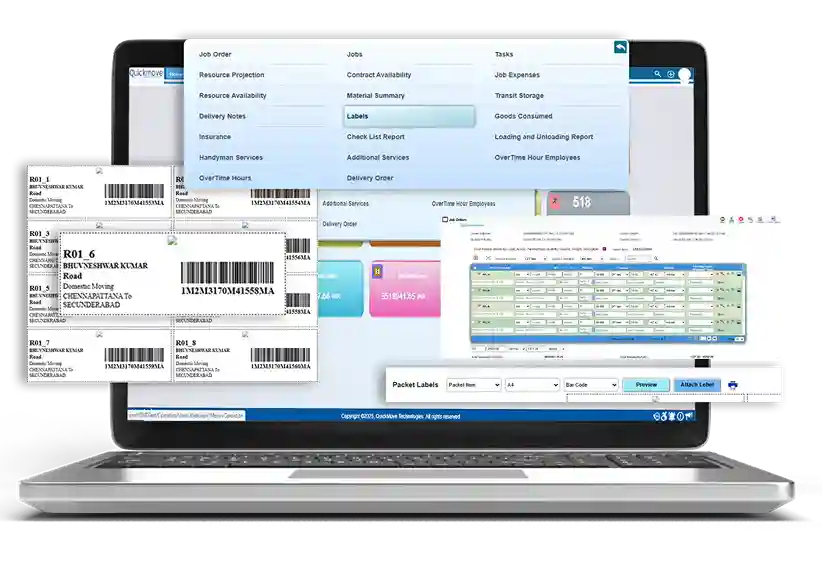
Most warehouse inventory management systems support barcode scanning, which:
- Speeds up inventory movements
- Reduces human errors
- Improves accuracy during picking and receiving
Fewer Manual Adjustments
Because inventory updates automatically, there’s less need for manual corrections, audits, and reconciliations.
Scalability for Growing Businesses
As businesses grow, they often add new warehouses to support expansion.
A good warehouse inventory management system is built to scale.
Easy Addition of New Warehouses
New locations can be added without disrupting existing operations. The system simply treats them as part of the same network.
Support for Business Growth
Whether you add one warehouse or ten, the system continues to provide visibility, control, and efficiency across the entire operation.
This scalability is one of the reasons many growing businesses move away from basic tools and adopt a robust warehouse inventory management system early.
Enhanced Customer Experience
At the end of the day, inventory management impacts customers directly.
Accurate Stock Information
When your system knows exactly what’s available and where, customers get accurate information about:
- Product availability
- Delivery timelines
Faster Deliveries
By shipping from the nearest warehouse, businesses can reduce delivery times and meet customer expectations more consistently.
Fewer Order Issues
Accurate picking and real-time updates reduce the chances of:
- Wrong items shipped
- Partial deliveries
- Order cancellations
Happy customers are more likely to return and recommend your business.
Cost Savings Across Operations
While implementing a warehouse inventory management system requires investment, the long-term cost savings are significant.
Lower Holding Costs
Balanced inventory levels mean less excess stock sitting idle.Lower Holding Costs
Reduced Shipping Costs
Smart order routing lowers shipping distances and expenses.
Better Labor Efficiency
Automation reduces manual work, allowing staff to focus on higher-value tasks.
Over time, these savings often outweigh the cost of the system itself.
Compliance, Audits, and Reporting Made Easier
For businesses operating in regulated industries or multiple regions, compliance is critical.
Accurate Inventory Records
A warehouse inventory management system keeps detailed logs of all inventory movements, making audits simpler and faster.
Clear Reporting
Managers can generate reports on:
- Stock levels
- Inventory aging
- Warehouse performance
These insights support better decision-making and long-term planning.
How QuickMove Supports Multi-Warehouse Inventory Management
Choosing the right system is just as important as deciding to use one.
QuickMove’s warehouse inventory management system is designed specifically to support growing businesses with multi-warehouse operations. It offers real-time visibility, smart order routing, and seamless warehouse transfers—all within an easy-to-use interface.
What makes QuickMove stand out is its focus on practical warehouse needs rather than overly complex features. Businesses can manage multiple warehouses without feeling overwhelmed by the system.
For companies looking to scale while keeping operations under control, QuickMove’s warehouse inventory management system provides the right balance of power and simplicity.
Key Features to Look for in a Multi-Warehouse System

If you’re evaluating options, here are some must-have features in a warehouse inventory management system:
- Real-time inventory tracking across locations
- Centralized dashboard and reporting
- Smart order routing
- Warehouse-to-warehouse transfer management
- Barcode scanning support
- Scalable architecture
QuickMove’s warehouse inventory management system includes these features while remaining flexible enough to adapt to different business models.
Final Thoughts
Managing inventory across multiple warehouses doesn’t have to be complicated. The right warehouse inventory management system turns complexity into clarity by giving businesses full control over their inventory network.
From real-time visibility and smarter order fulfillment to better planning and lower costs, the benefits are clear. As customer expectations continue to rise and competition increases, relying on manual tools or disconnected systems is no longer sustainable.
Whether you’re already operating multiple warehouses or planning to expand soon, investing in a reliable warehouse inventory management system is a strategic move. Solutions like QuickMove help businesses stay organized, responsive, and ready to grow—without losing control of their inventory.
In the long run, success in multi-warehouse operations comes down to one thing: having the right system in place to support every move your inventory makes.