Email Us
 Freight Forwarding Software
 Warehouse Management System
 Transport Management System
 Moving/Removal Software
 Customer Service Portal
 Move Survey Quote Pro
 Digital Logistics Inventory App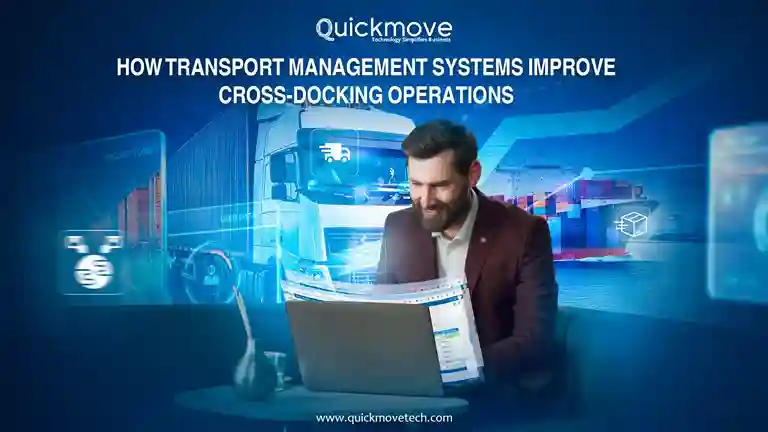
Modern supply chains are under constant pressure to move goods faster, reduce costs, and meet growing customer expectations. Warehouses and distribution centers are no longer just storage spaces; they have become highly active operational hubs where speed, coordination, and visibility are critical.
One logistics strategy that has gained significant importance in recent years is cross-docking. Instead of storing goods for long periods, cross-docking allows products to move directly from inbound transportation to outbound shipments with minimal handling or storage time.
However, while cross-docking can greatly improve efficiency, managing it manually or with disconnected systems can quickly become complicated. Coordinating trucks, shipments, dock doors, inventory, and schedules requires precise planning and real-time visibility.
This is where a Transport Management System (TMS) becomes extremely valuable. By organizing transportation workflows, synchronizing shipment information, and improving visibility across operations, a TMS plays a crucial role in making cross-docking efficient and reliable.
In this guide, we will explore what cross-docking is, the challenges involved in managing it, and how transport management systems help businesses optimize cross-docking operations for speed, efficiency, and cost savings.
Understanding Cross-Docking in Modern Logistics
Cross-docking is a logistics strategy where goods arriving at a warehouse or distribution center are directly transferred from inbound trucks to outbound transportation, without being stored for extended periods.
Instead of storing products in racks or inventory locations, they are quickly sorted, consolidated, and shipped to their next destination.
The goal of cross-docking is simple: move goods faster while reducing storage and handling costs.
How Cross-Docking Works
A typical cross-docking process includes the following steps:
- Suppliers send goods to a distribution center.
- The inbound shipment arrives at the receiving dock.
- Goods are unloaded and quickly sorted based on destination.
- Items are transferred across the dock to outbound staging areas.
- Outbound trucks load the products and deliver them to retailers, warehouses, or customers.
In some cases, products may only remain in the facility for a few hours before being shipped out again.
This approach reduces the need for long-term storage while improving the speed of distribution.
Types of Cross-Docking Operations
Cross-docking can be used in several ways depending on the industry and supply chain requirements.
1. Continuous Cross-Docking
In continuous cross-docking, goods move directly from inbound to outbound trucks with almost no waiting time.
This method is common in industries with high shipment volumes and predictable demand.
2. Consolidation Cross-Docking
Products from multiple suppliers arrive at the facility and are combined into larger shipments before being sent to retailers or distribution points.
This helps reduce transportation costs and improve load efficiency.
3. Deconsolidation Cross-Docking
Large shipments arrive at a facility and are divided into smaller shipments that are delivered to multiple destinations.
Retail distribution networks often use this approach.
4. Hybrid Cross-Docking
In some operations, a portion of inventory may be temporarily stored while other items move directly through the facility.
This combination allows businesses to maintain flexibility while still benefiting from cross-docking efficiency.
Why Cross-Docking Has Become Essential for Modern Supply Chains
As logistics networks become more complex, businesses are looking for ways to improve speed and reduce operational costs.
Cross-docking offers several important advantages.
Faster Product Movement
Products spend less time sitting in warehouses and move more quickly through the supply chain.
Reduced Storage Costs
Because goods are not stored for long periods, businesses can reduce warehousing expenses.
Lower Inventory Holding Costs
Cross-docking reduces the amount of inventory businesses need to hold.
Improved Delivery Speed
Faster movement of goods leads to quicker deliveries and improved customer satisfaction.
Better Supply Chain Efficiency
Cross-docking reduces unnecessary handling and simplifies product flow.
However, while cross-docking offers these advantages, executing it successfully requires precise coordination across transportation and warehouse operations.
Challenges in Managing Cross-Docking Operations
Cross-docking may sound straightforward in theory, but in reality it requires careful planning and coordination.
Without proper systems in place, several challenges can arise.
1. Scheduling Inbound and Outbound Transportation
For cross-docking to work effectively, inbound and outbound trucks must be scheduled carefully.
If inbound shipments arrive late, outbound shipments may be delayed.
If trucks arrive too early, dock congestion can occur.
Managing this scheduling manually can be extremely difficult.
2. Limited Time for Handling Goods
Since products are not stored in the warehouse for long periods, workers have very little time to unload, sort, and reload shipments.
This requires efficient workflows and accurate shipment information.
3. Dock Door Management
Distribution centers often have multiple dock doors that must be allocated to inbound and outbound trucks.
Poor dock management can lead to bottlenecks and delays.
4. Shipment Visibility
Managers must know exactly when shipments will arrive and what products they contain.
Without accurate information, cross-docking operations become unpredictable.
5. Coordination Between Multiple Carriers
Many logistics operations involve shipments from multiple suppliers and carriers.
Coordinating all of these movements without a centralized system can be extremely challenging.
These challenges highlight the need for advanced logistics technology that can manage transportation workflows efficiently.
The Role of Transport Management Systems in Cross-Docking
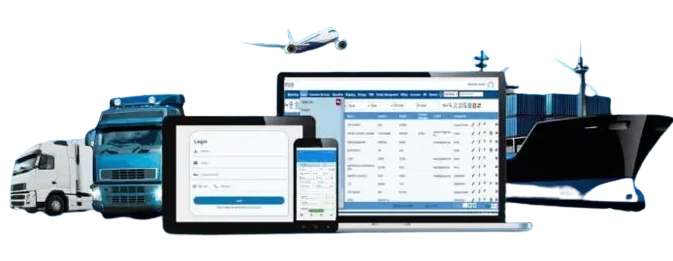
A Transport Management System (TMS) helps logistics teams plan, execute, and monitor transportation activities.
By connecting shipment data, carrier schedules, route planning, and delivery tracking into one system, a TMS improves visibility and coordination across transportation networks.
When integrated with warehouse operations, a TMS becomes a powerful tool for optimizing cross-docking.
Solutions such as QuickMove Technologies’ transportation management system software help businesses coordinate shipments, manage carrier schedules, and improve overall transportation visibility.
This makes it much easier for logistics teams to execute cross-docking operations smoothly.
How Transport Management Systems Improve Cross-Docking Operations
1. Improved Shipment Scheduling
One of the most important aspects of cross-docking is timing.
Inbound and outbound trucks must arrive at the right time to ensure smooth transfer of goods.
A TMS helps logistics teams plan and schedule shipments more effectively.
With automated scheduling tools, managers can:
- Coordinate carrier arrival times
- Avoid dock congestion
- Reduce waiting times
- Improve loading efficiency
Systems like QuickMove Technologies’ transportation management system help organizations maintain better control over transportation schedules, which is essential for successful cross-docking.
2. Real-Time Shipment Visibility
Cross-docking operations require accurate information about shipment status.
A transport management system provides real-time visibility into transportation activities.
Logistics teams can track:
- Shipment locations
- Estimated arrival times
- Carrier updates
- Delivery status
With this visibility, warehouse teams can prepare for incoming shipments and allocate dock space efficiently.
Platforms such as QuickMove Technologies’ transportation management system provide centralized shipment tracking that supports faster and more reliable cross-docking operations.
3. Better Coordination Between Carriers and Warehouses
Cross-docking requires strong coordination between transportation providers and warehouse teams.
A transport management system connects these stakeholders through a shared platform.
This allows:
- Carriers to update shipment status
- Warehouse managers to track arrivals
- Dispatch teams to coordinate outbound deliveries
By improving communication, a TMS helps eliminate confusion and delays during cross-docking.
Organizations using QuickMove Technologies’ TMS can improve collaboration across their logistics networks.
4. Optimized Dock Door Management
Dock door allocation is critical in cross-docking facilities.
If multiple trucks arrive simultaneously without proper planning, congestion can occur.
A transport management system helps managers plan dock usage more effectively.
This includes:
- Assigning trucks to specific dock doors
- Scheduling arrival times
- Avoiding conflicts between inbound and outbound shipments
Better dock management improves operational flow and reduces idle time for trucks.
5. Faster Shipment Sorting and Routing
Cross-docking operations require quick sorting of goods based on destination.
A TMS provides detailed shipment information that helps warehouse teams organize products quickly.
Instead of manually reviewing shipping documents, workers can access digital shipment data and routing instructions.
Solutions like QuickMove Technologies’ transportation management system ensure that shipment details are available in real time, helping teams move goods efficiently across the dock.
6. Reduced Transportation Costs
Cross-docking already helps reduce warehousing costs, but transportation costs must also be optimized.
A transport management system supports cost optimization through:
- Route planning
- Load consolidation
- Carrier selection
- Freight cost analysis
By improving transportation planning, businesses can reduce overall logistics expenses.
Many organizations adopt QuickMove Technologies’ transportation management system to gain better control over freight costs while improving operational efficiency.
7. Improved Load Consolidation
Cross-docking often involves consolidating shipments from multiple suppliers into larger outbound loads.
A transport management system helps logistics teams combine shipments more effectively.
This improves truck utilization and reduces the number of trips required.
Better load consolidation leads to:
- Lower fuel costs
- Reduced transportation emissions
- Improved delivery efficiency
8. Better Exception Management
Unexpected events can disrupt cross-docking operations.
These may include:
- Delayed shipments
- Carrier cancellations
- Traffic disruptions
- Weather conditions
A transport management system helps teams identify these issues early and take corrective action.
Platforms like QuickMove Technologies’ transportation management system provide alerts and updates that allow logistics teams to respond quickly to operational disruptions.
9. Improved Data and Performance Analytics
Cross-docking operations generate large amounts of operational data.
A TMS collects and analyzes this information to provide insights into logistics performance.
Managers can analyze:
- Carrier performance
- Shipment delays
- Dock utilization
- Transportation costs
- Delivery times
This data helps businesses identify inefficiencies and improve future cross-docking operations.
10. Scalability for High-Volume Operations
As businesses grow, cross-docking operations become more complex.
More suppliers, carriers, shipments, and destinations must be managed simultaneously.
A transport management system allows businesses to scale their logistics operations without losing control or visibility.
Solutions like QuickMove Technologies’ transportation management system support high-volume transportation networks while maintaining operational efficiency.
Industries That Benefit from Cross-Docking with TMS
Several industries rely heavily on cross-docking operations.
Retail
Retailers use cross-docking to quickly distribute goods from suppliers to stores.
E-commerce
Fast-moving online orders require rapid product movement through distribution centers.
Manufacturing
Manufacturers use cross-docking to move components quickly between suppliers and production facilities.
Food and Beverage
Perishable products benefit from reduced storage time and faster transportation.
Automotive
Automotive supply chains depend on efficient parts distribution to maintain production schedules.
In all of these industries, transportation coordination is essential, making a TMS a critical component of cross-docking success.
Best Practices for Implementing Cross-Docking with a TMS
Businesses looking to improve cross-docking operations should follow several best practices.
Invest in Integrated Logistics Technology
Transportation and warehouse systems should work together seamlessly.
Improve Carrier Collaboration
Maintaining strong communication with transportation partners improves scheduling accuracy.
Use Real-Time Data
Accurate shipment information helps warehouse teams prepare for inbound deliveries.
Train Operational Teams
Warehouse and logistics teams must understand cross-docking workflows.
Monitor Performance Metrics
Tracking KPIs such as dock utilization and delivery times helps identify improvement opportunities.
The Future of Cross-Docking and Transportation Technology
Logistics technology continues to evolve rapidly.
Future cross-docking operations are expected to include innovations such as:
- AI-driven transportation planning
- Automated dock scheduling
- Predictive shipment tracking
- IoT-enabled shipment monitoring
- Advanced logistics analytics
Transport management systems will play a central role in enabling these innovations.
Businesses that invest in modern logistics technology today will be better prepared for future supply chain challenges.
Conclusion
Cross-docking has become an essential strategy for businesses looking to improve supply chain speed, reduce costs, and enhance operational efficiency.
By minimizing storage time and accelerating product movement, cross-docking allows companies to deliver goods faster while optimizing warehouse operations.
However, managing cross-docking successfully requires careful coordination between transportation schedules, carriers, warehouse teams, and shipment data.
This is where a Transport Management System becomes invaluable.
By improving shipment visibility, optimizing scheduling, coordinating carriers, and providing real-time data, a TMS enables businesses to execute cross-docking operations more efficiently.
Solutions such as QuickMove Technologies’ transportation management system demonstrate how modern logistics platforms help organizations manage complex transportation networks while supporting fast and reliable cross-docking workflows.
As supply chains continue to evolve, companies that adopt advanced transportation technology will be better positioned to build efficient, resilient, and scalable logistics operations.