Email Us
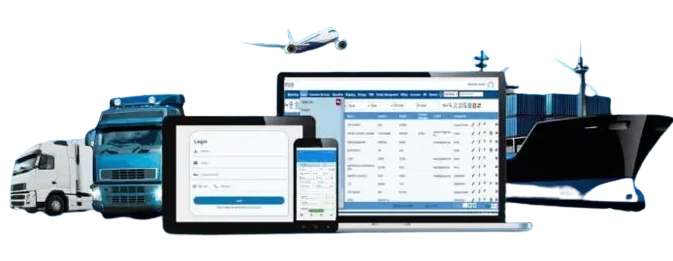
 Freight Forwarding Software
 Warehouse Management System
 Transport Management System
 Moving/Removal Software
 Customer Service Portal
 Move Survey Quote Pro
 Digital Logistics Inventory App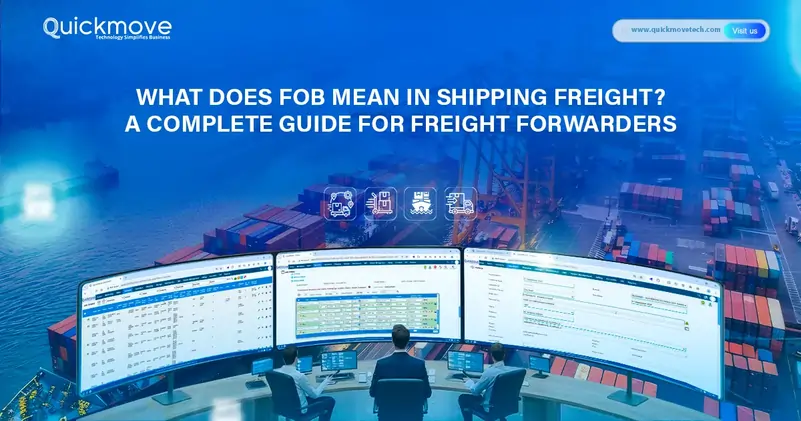
In international shipping, understanding freight terms is essential for avoiding delays, disputes, and unexpected costs. One of the most commonly used terms is FOB (Free On Board).
Whether you’re an importer, exporter, or freight forwarder, knowing how FOB works helps you determine who is responsible for transportation, insurance, and shipment risk at each stage of the logistics process.
In this guide, we’ll explain what FOB means in shipping freight, the different types of FOB agreements, and how QuickMove Freight Forwarding Software helps logistics businesses manage FOB shipments more efficiently.
What Does FOB Mean in Shipping Freight?
FOB (Free On Board) is an international shipping term that defines the point where ownership and responsibility for goods transfer from the seller to the buyer.
In simple terms:
- The seller is responsible for the goods until they reach the agreed FOB point.
- The buyer becomes responsible for transportation costs and shipment risks after that point.
FOB is primarily used for ocean freight and international trade.
Why FOB Is Important in Freight Forwarding
Freight forwarders coordinate shipments between multiple parties, including exporters, importers, carriers, customs brokers, and warehouses. Without clear shipping terms, businesses may face:
- Unexpected freight charges
- Insurance disputes
- Documentation errors
- Delivery delays
- Customer complaints
FOB helps eliminate confusion by clearly defining responsibilities.
Types of FOB Shipping Terms
1. FOB Origin:-
Buyer takes over at origin
Under FOB Origin, responsibility transfers to the buyer once the goods are handed over at the shipping point.
The buyer is responsible for:
- Freight charges
- Insurance
- Transit risk
- Delivery coordination
2. FOB Destination:-
Seller remains responsible until delivery
With FOB Destination, the seller remains responsible until the shipment reaches the buyer’s destination.
The seller handles:
- Transportation
- Freight costs
- Delivery risk
- Shipment management
3. FOB vs. CIF: What’s the Difference?:-
| 🚢 FOB (Free on Board) | 📦 CIF (Cost, Insurance & Freight) |
|---|---|
| 👤Buyer assumes responsibility once the goods are loaded at the FOB point. | 🚛Seller arranges both freight and insurance until the destination port. |
| 🗺️Buyer has greater control over the shipping process and carrier selection. | 📦Seller manages transportation and shipping logistics. |
| ⚙️Ideal for buyers who prefer flexibility and control over costs. | 🤝Ideal for buyers who want a hassle-free shipping experience. |
| 🛡️Insurance is generally arranged and paid for by the buyer. | ✅Insurance is arranged and provided by the seller. |
4. Common Challenges in FOB Shipments:-
Many logistics companies still manage FOB shipments manually through spreadsheets, emails, and disconnected systems. This can result in:
- Missing shipping documents
- Delayed shipment updates
- Incorrect freight billing
- Poor customer communication
- Limited shipment visibility
- Operational inefficiencies
5. How Freight Forwarding Software Simplifies FOB Management:-
A modern freight forwarding software platform helps businesses centralize and automate their shipping operations.
Key Benefits:
- Single Platform
- End-to-end shipment management
- Automated documentation
- Freight billing and invoicing
- Real-time shipment tracking
- CRM integration
- Financial reporting and dashboards
How QuickMove Helps Manage FOB Shipments
QuickMove is designed to help freight forwarders manage FOB shipments with greater efficiency.
Centralized Shipment Management
Track every shipment from booking to final delivery in one platform.
Automated Documentation :-
Generate:
- Bill of Lading
- Commercial Invoice
- Packing List
- Delivery Orders
Simplified Freight Billing
Automate freight charges, invoicing, and payment tracking.
Customer Portal
Provide customers with real-time shipment updates and access to documents.
Business Reporting
Monitor operational performance, shipment status, and revenue trends through built-in dashboards.
Best Practices for FOB Shipments
- Clearly mention the FOB location in contracts.
- Verify all shipping documents before dispatch.
- Maintain regular communication with carriers and customers.
- Track shipments throughout transit.
- Use freight forwarding software to automate operational workflows.
Final Thoughts
Understanding FOB (Free On Board) is essential for managing international freight shipments effectively. It helps define ownership, responsibilities, costs, and risks, ensuring smoother coordination between buyers, sellers, and logistics providers.
As shipment volumes grow, manual FOB management can become inefficient. QuickMove Freight Forwarding Software simplifies the process by centralizing shipment management, automating documentation, streamlining billing, and providing real-time visibility across freight operations.