Email Us
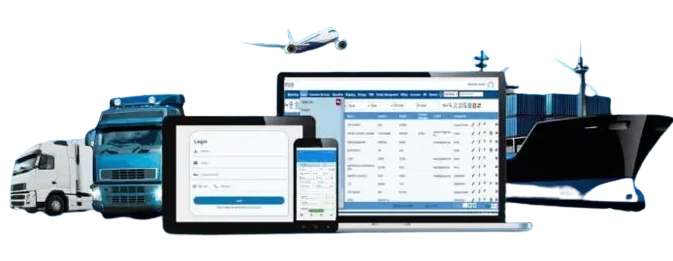
 Freight Forwarding Software
 Warehouse Management System
 Transport Management System
 Moving/Removal Software
 Customer Service Portal
 Move Survey Quote Pro
 Digital Logistics Inventory App
The freight forwarding industry is changing rapidly. Rising customer expectations, global supply chain disruptions, increasing transportation costs, and growing competition are forcing logistics companies to rethink how they operate.
For decades, freight forwarders relied on experience, spreadsheets, emails, and manual processes to make business decisions. While these methods worked in the past, today’s logistics environment demands faster, smarter, and data-driven decision-making.
This is where AI-powered decision intelligence comes in. Unlike traditional reporting tools that simply show historical data, decision intelligence combines artificial intelligence, automation, predictive analytics, and real-time business insights to help freight forwarders make informed decisions before problems occur.
Whether you’re managing 100 shipments a month or thousands, preparing your business for AI isn’t just about adopting new technology it’s about building a more resilient, efficient, and profitable operation.
Explore QuickMove Freight Forwarding Software: Freight Forwarding Software
What Is AI-Powered Decision Intelligence?
AI-powered decision intelligence is the process of using artificial intelligence, machine learning, and real-time business data to recommend or automate operational decisions.
Instead of manually reviewing multiple reports and dashboards, AI analyzes large volumes of logistics data and provides actionable recommendations, such as:
- Selecting the best carrier based on performance and cost
- Predicting shipment delays before they happen
- Identifying high-risk shipments
- Suggesting optimal transportation routes
- Forecasting warehouse capacity
- Detecting unusual freight costs
- Improving customer response times
Rather than replacing logistics professionals, AI acts as an intelligent assistant that helps teams make faster and more accurate decisions.
Why Freight Forwarders Need AI-Powered Decision Intelligence
The logistics industry generates enormous amounts of operational data every day. Unfortunately, many businesses still struggle because this information is spread across different systems, spreadsheets, emails, and paper documents.
Common operational challenges include:
- Delayed shipments due to poor visibility
- Manual documentation processes
- Slow quotation approvals
- Inaccurate shipment costing
- Duplicate data entry
- Billing errors
- Limited real-time reporting
- Customer complaints caused by delayed updates
As businesses grow, these challenges become even more difficult to manage manually.
Decision intelligence helps organizations transform operational data into valuable business insights that support faster and more confident decision-making.
Learn more about QuickMove Freight Forwarding Software: Freight Forwarding Software
Key Benefits of AI-Powered Decision Intelligence
1. Better Shipment Planning
Planning shipments manually often consumes valuable time and increases the risk of human error.
AI evaluates factors such as:
- Carrier performance
- Historical transit times
- Freight costs
- Customer priorities
- Weather conditions
- Route availability
Using this information, logistics teams can choose the most efficient shipping option while balancing cost and service quality.
2. Predictive Delay Management
One of the biggest advantages of AI is its ability to predict potential disruptions before they impact customers.
Instead of reacting after delays occur, businesses can proactively:
- Notify customers
- Adjust transportation plans
- Allocate additional resources
- Reduce service interruptions
This proactive approach improves customer satisfaction while protecting business reputation.
3. Smarter Freight Cost Management
Freight rates fluctuate constantly.
AI analyzes historical pricing, carrier performance, seasonal demand, and transportation costs to recommend cost-effective shipping options.
Benefits include:
- Improved profit margins
- Better carrier selection
- Reduced unnecessary expenses
- More competitive customer pricing
4. Intelligent Documentation
Freight forwarding involves numerous documents, including:
- Bills of Lading
- Commercial Invoices
- Packing Lists
- Shipping Instructions
- Customs Documentation
- Delivery Orders
AI can automatically extract, validate, organize, and process information from these documents, reducing manual work and minimizing costly documentation errors.
5. Real-Time Business Visibility
Modern freight forwarding requires instant access to operational information.
Decision intelligence provides real-time visibility into:
- Shipment status
- Customer orders
- Warehouse inventory
- Outstanding invoices
- Transportation performance
- Operational bottlenecks
This allows management teams to make informed decisions without waiting for manual reports.
Practical Steps to Prepare for AI-Powered Decision Intelligence
Adopting AI doesn’t require replacing your entire business overnight. Successful freight forwarders typically begin with a phased approach.
Step 1: Digitize Business Processes:-
The first step is eliminating paper-based and spreadsheet-driven workflows.
Digitizing operations creates a reliable data foundation that AI systems can use to generate meaningful insights.
Focus on areas such as:
- Shipment management
- Documentation
- Customer communication
- Billing
- Inventory
- Transportation planning
Step 2: Centralize Your Data:-
Many logistics companies use separate systems for accounting, warehouse management, customer information, transportation, and freight operations.
Disconnected systems create information gaps.
An integrated logistics platform helps consolidate business data into one centralized environment, making AI recommendations more accurate and reliable.
Step 3: Improve Data Quality:-
Artificial intelligence depends on clean and accurate data.
Businesses should regularly review:
- Customer records
- Carrier databases
- Shipment history
- Pricing information
- Vendor information
High-quality data leads to better predictions and more reliable business recommendations.
Step 4: Automate Repetitive Tasks:-
Routine administrative work consumes valuable employee time. Examples include:
- Data entry
- Invoice generation
- Shipment notifications
- Status updates
- Document creation
- Payment reminders
Automating these repetitive activities allows employees to focus on customer service and strategic planning.
Step 5: Train Employees:-
AI adoption is as much about people as it is about technology. Employees should understand:
- How AI recommendations are generated
- When human judgment is required
- How to interpret dashboards
- Best practices for working with automated workflows
Organizations that invest in employee training generally experience smoother technology adoption.
Step 6: Monitor Business Performance
Decision intelligence becomes more effective when businesses consistently measure operational performance.
Important logistics KPIs include:
- On-time delivery percentage
- Shipment processing time
- Freight cost per shipment
- Customer response time
- Invoice accuracy
- Warehouse utilization
- Customer satisfaction
- Revenue per shipment
Tracking these metrics helps organizations identify improvement opportunities over time.
Common Mistakes to Avoid
Many logistics companies struggle with AI adoption because they focus on technology rather than business readiness.
Avoid these common mistakes:
- Implementing AI without clean data
- Automating inefficient processes
- Ignoring employee training
- Using disconnected software systems
- Expecting immediate results
- Failing to measure business outcomes
AI delivers the best results when combined with strong operational processes and continuous improvement.
Future Trends in AI-Powered Freight Forwarding
Over the next few years, AI will continue transforming logistics operations through:
Intelligent Shipment Recommendations
AI will automatically recommend the best transportation options based on cost, transit time, customer preferences, and operational priorities.
Predictive Customer Service
Businesses will identify customer concerns before complaints are raised, improving service quality and customer retention.
Automated Operational Decisions
Routine decisions such as assigning carriers, scheduling warehouse activities, and managing transportation workflows will become increasingly automated.
AI-Powered Business Forecasting
Organizations will gain greater visibility into future demand, capacity planning, and operational risks using predictive analytics.
Smarter Risk Management
AI will help businesses identify disruptions caused by weather events, port congestion, customs delays, or supplier issues before they affect customers.
Building a Future-Ready Freight Forwarding Business
AI-powered decision intelligence is no longer a concept for the future. It is becoming an essential capability for logistics businesses that want to remain competitive in an increasingly digital marketplace.
By digitizing operations, improving data quality, automating repetitive tasks, and adopting integrated logistics software, freight forwarders can make faster decisions, reduce operational costs, improve customer experiences, and increase overall efficiency.
Rather than replacing experienced logistics professionals, AI enhances their ability to make informed decisions using accurate, real-time business intelligence.
Organizations that begin preparing today will be better positioned to manage future growth, respond to market changes, and deliver exceptional customer service.
If your freight forwarding business is exploring ways to streamline operations and leverage AI-driven insights, choosing a unified logistics platform can be the first step toward building a smarter and more connected supply chain.