 Email Us
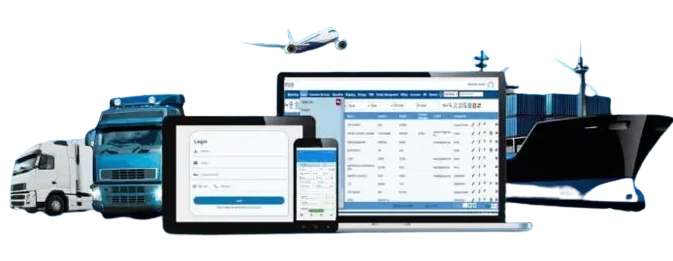
 Freight Forwarding Software
 Warehouse Management System
 Transport Management System
 Moving/Removal Software
 Customer Service Portal
 Move Survey Quote Pro
 Digital Logistics Inventory App
Moving goods from one corner of the world to another has become a daily necessity for many businesses. Whether you’re importing raw materials, exporting finished products, or managing a complex supply chain, freight forwarding plays a key role in ensuring your shipments reach their destinations safely and on time.
Yet, for many companies—especially those new to international logistics—freight forwarding can feel like a maze of paperwork, regulations, and coordination challenges. This guide will help you understand what freight forwarding really is, how it works, and how modern digital tools like freight forwarding system software are transforming the process for businesses of all sizes.
What Is Freight Forwarding?
Freight forwarding is the process of organizing and managing the transportation of goods from one place to another—often across countries and continents. The global freight forwarding market is projected to expand at a CAGR of 4.9% between 2025 and 2030.
A freight forwarder acts as an intermediary between the shipper (the business sending the goods) and the various transportation services involved in getting those goods to their final destination.
Think of a freight forwarder as a travel agent for your cargo. Just as a travel agent arranges flights, hotels, and transfers for a person’s trip, a freight forwarder coordinates shipments using trucks, ships, planes, and trains to ensure everything moves smoothly.
Why Businesses Use Freight Forwarders
The logistics of global trade can be extremely complex. From customs regulations and import/export documentation to carrier negotiations and insurance, managing it all in-house can quickly become overwhelming. Freight forwarders bring valuable expertise and resources to simplify this process.
Here are some key reasons why businesses rely on freight forwarding solutions:
- Expertise in international regulations: Freight forwarders are familiar with the rules, documentation, and compliance requirements in different countries. This helps prevent delays, fines, and legal issues.
- Cost efficiency: Forwarders consolidate shipments, negotiate better rates with carriers, and find the most cost-effective routes—helping businesses save on shipping expenses.
- Time savings: With a forwarder handling the logistics, businesses can focus on core operations rather than managing transportation details.
- Risk management: Forwarders help with insurance, tracking, and contingency planning, reducing the risks of lost or damaged goods.
How Freight Forwarding Works: Step-by-Step
While every shipment is unique, most freight forwarding processes follow a similar sequence of steps:
- Export Haulage
The journey begins with transporting goods from the shipper’s warehouse or factory to the freight forwarder’s warehouse or a port of departure. This is usually done via truck or train. - Export Customs Clearance
Before goods leave the country, they must clear customs. The forwarder handles the required paperwork, including export licenses, invoices, and certificates, to ensure compliance with local laws. - Origin Handling
Once customs clearance is complete, the goods are inspected, packaged (if necessary), and loaded for shipment. The forwarder verifies all details before sending them off. - Main Carriage
This is the main leg of the journey, where goods are transported via air, sea, or land to the destination country. Forwarders often choose routes and carriers based on cost, speed, and reliability. - Import Customs Clearance
Upon arrival, the shipment must pass through customs in the destination country. The forwarder manages the process, submitting documents, paying duties or taxes, and ensuring everything complies with import regulations. - Destination Handling and Delivery
Finally, the goods are transported to the receiver’s warehouse, store, or final destination. The forwarder ensures the delivery is made as per the contract.
Throughout this process, the freight forwarder keeps the shipper informed of the shipment’s status, handling any unexpected delays or issues that arise.
Types of Freight Forwarding Services
Depending on your business needs, freight forwarders offer various modes of transport and service types. Here are the most common ones:
- Air Freight: Fastest but most expensive. Ideal for high-value or time-sensitive goods.
- Ocean Freight: Most cost-effective for large, heavy, or non-urgent shipments. Common for international trade.
- Road Freight: Often used for domestic or regional deliveries. Flexible and accessible.
- Rail Freight: A balance between cost and speed, especially useful for large shipments across continents.
In addition to transportation, forwarders often offer value-added services like warehousing, cargo insurance, packaging, inventory management, and shipment tracking.
Challenges in Freight Forwarding Today
While freight forwarding remains essential, it’s not without challenges. Businesses often face issues like:
- Documentation errors: Incomplete or incorrect paperwork can delay shipments at customs.
- Lack of visibility: Without real-time tracking, it’s hard to know where your goods are.
- Supply chain disruptions: Weather, port congestion, strikes, or geopolitical events can impact delivery timelines.
- Communication gaps: With multiple parties involved—suppliers, carriers, customs agents—coordination can become difficult.
These challenges underline the growing need for digital freight forwarder software that bring transparency, automation, and control to the process.
How Technology Is Transforming Freight Forwarding
The logistics industry is rapidly evolving, thanks to advancements in technology. Freight forwarding software and digital platforms are helping businesses overcome traditional inefficiencies in several ways:
- Automation of Documentation
Instead of manually preparing and reviewing customs forms, invoices, and bills of lading, software can generate and validate them automatically—reducing human error and saving time. - Real-Time Shipment Tracking
GPS integration and IoT devices allow businesses to track cargo movement in real time, offering greater visibility and peace of mind. - Centralized Data Management
Digital platforms consolidate all shipment information—quotes, documents, schedules, and communication—in one place for easy access. - Predictive Analytics
AI and data analytics can forecast delivery times, potential delays, and optimal shipping routes, helping businesses plan proactively. - Enhanced Collaboration
Cloud-based systems enable all stakeholders—suppliers, carriers, and customers—to communicate seamlessly and stay updated throughout the shipping process.
By adopting the right freight forwarding technology, companies can simplify global shipping, minimize errors, and improve overall customer satisfaction.
Choosing the Right Freight Forwarding Solution
When selecting a freight forwarding partner or freight forwarding software, businesses should consider:
- Ease of use: The platform should be intuitive and require minimal training.
- Integration: It should connect smoothly with your ERP, accounting, or inventory systems.
- Scalability: As your business grows, the solution should handle larger and more complex operations.
- Customer support: Responsive, 24/7 support can make a big difference during critical shipments.
- Security and compliance: Ensure the platform adheres to data protection and trade regulations.
Streamlining Freight Forwarding with the Right Technology
Freight forwarding is the backbone of international trade, ensuring goods move efficiently across borders and continents. While the process can be complex, the right tools and knowledge make it far more manageable. Today’s businesses no longer have to rely solely on manual coordination and endless paperwork—digital freight forwarding software brings automation, visibility, and control to every stage of the shipping journey.
If your business is looking to simplify global logistics, consider exploring QuickMove Technologies’ freight forwarding software. It’s designed to automate workflows, enhance shipment visibility, and centralize your logistics operations—all within a single platform. With the right solution in place, you can spend less time managing freight and more time growing your business.
This blog provides a comprehensive overview of how freight forwarding solutions streamline global shipments. I appreciate the clear explanation of each step, from export haulage to destination delivery, highlighting the crucial role of freight forwarders in managing compliance, documentation, and risk. The emphasis on digital tools, like QuickMove Technologies’ software, is especially valuable, as automation, real-time tracking, and centralized data management can significantly enhance efficiency and transparency. For businesses navigating international logistics, adopting such technology-driven solutions is essential for saving time, reducing errors, and improving overall supply chain performance.
Thank you for your thoughtful and insightful comment. We’re glad you found the blog informative and valuable, especially the focus on freight forwarding processes and the role of digital solutions like QuickMove Technologies.