 Email Us
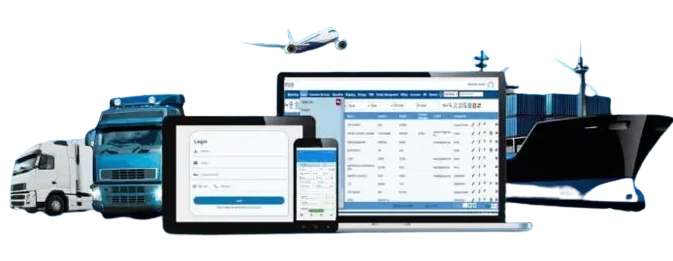
 Freight Forwarding Software
 Warehouse Management System
 Transport Management System
 Moving/Removal Software
 Customer Service Portal
 Move Survey Quote Pro
 Digital Logistics Inventory App
Global trade has become faster, more complex, and more competitive than ever before. Businesses today operate across multiple countries, deal with multiple carriers, and manage shipments through different transportation modes such as air, sea, rail, and road. While this expansion creates new opportunities, it also introduces operational challenges for logistics companies and freight forwarders.
Manual processes, scattered documentation, communication gaps, and lack of shipment visibility often slow down logistics operations. A single delayed document or missed update can impact an entire shipment timeline.
To solve these challenges, many logistics companies are turning to freight forwarding system software. These modern digital platforms help freight forwarders manage operations, track shipments, automate documentation, and improve overall supply chain visibility.
In this article, we will explore what freight forwarding system software is, why it is becoming essential for logistics companies, and how it helps businesses streamline global trade operations.
Understanding Freight Forwarding in Modern Logistics
Freight forwarding is a crucial part of global supply chains. Freight forwarders act as intermediaries between shippers and transportation providers. Their responsibility is to ensure that cargo moves smoothly from the origin to the destination.
A typical freight forwarding operation involves several complex steps, including:
- Shipment booking
- Route planning
- Carrier coordination
- Documentation preparation
- Customs clearance
- Cargo tracking
- Billing and invoicing
Managing these processes manually can be time-consuming and error-prone. With international trade regulations becoming stricter and shipment volumes increasing, freight forwarding companies need more efficient tools to manage their operations.
This is where freight forwarding systm software becomes valuable.
What is Freight Forwarding System Software?
Freight forwarding system software is a digital platform designed to manage and automate the various activities involved in freight forwarding operations.
It provides a centralized system where logistics companies can manage shipments, handle documentation, coordinate with carriers, track cargo movements, and analyze operational performance.
Instead of relying on spreadsheets, emails, and manual documentation, businesses can manage everything from a single platform.
Modern freight forwarding software typically supports:
- Air freight management
- Ocean freight management
- Land transportation coordination
- Customs documentation
- Financial management
- Shipment tracking
- Customer communication
By consolidating all logistics processes into one system, freight forwarding software improves visibility, efficiency, and control over operations.
Why Freight Forwarding Companies Need Software Today
The logistics industry is evolving rapidly due to increasing shipment volumes, global trade regulations, and customer expectations.
Customers now expect faster deliveries, accurate updates, and full transparency throughout the shipping process. At the same time, freight forwarding companies must manage complex documentation and compliance requirements.
Without the right technology, these demands can become overwhelming.
Freight forwarding software helps companies address these challenges by:
- Reducing manual paperwork
- Improving shipment visibility
- Enhancing coordination between stakeholders
- Ensuring compliance with international regulations
- Automating repetitive tasks
As a result, logistics companies can operate more efficiently and provide better service to their customers.
Key Features of Freight Forwarding System Software
Freight forwarding software includes a wide range of features designed to simplify logistics operations. Below are some of the most important capabilities.
Automated Shipment Management
Managing multiple shipments manually can quickly become difficult as business grows. Freight forwarding software automates shipment booking, scheduling, and management.
The system allows logistics teams to create shipment records, assign carriers, update shipment milestones, and monitor delivery progress in real time.
Automation helps eliminate repetitive tasks and reduces the chances of human errors.
Customs Compliance and Documentation
International shipments require accurate documentation and compliance with various customs regulations. Missing or incorrect paperwork can lead to costly delays.
Freight forwarding software helps generate and manage important documents such as:
- Bills of lading
- Commercial invoices
- Packing lists
- Certificates of origin
- Customs declarations
The software ensures that documentation is accurate, organized, and easily accessible when required.
Real-Time Cargo Tracking
Shipment visibility is one of the most important aspects of modern logistics.
Freight forwarding software enables real-time tracking of cargo across different transportation modes. Logistics teams and customers can monitor shipment status, location updates, and estimated delivery times.
This transparency improves operational planning and builds trust with customers.
Integration with Carriers and Agents
Freight forwarding involves coordination with multiple partners including shipping lines, airlines, trucking companies, customs brokers, and international agents.
Freight forwarding system software integrates with these stakeholders to enable seamless communication and data exchange. This ensures that all parties involved in the shipment process stay informed and aligned.
Better collaboration leads to smoother logistics operations.
Financial Management and Billing
Freight forwarding operations involve numerous financial transactions such as freight charges, carrier payments, customs fees, and client invoices.
Freight forwarding software simplifies financial management by offering features such as:
- Automated invoicing
- Cost allocation
- Payment tracking
- Profit and loss analysis
These tools help companies maintain accurate financial records and improve cash flow management.
Reporting and Data Analytics
Modern logistics businesses rely on data to improve performance and make better decisions.
Freight forwarding software includes reporting and analytics tools that provide insights into operational efficiency, shipment performance, and financial metrics.
These insights help companies identify bottlenecks, optimize routes, reduce costs, and improve service quality.
Benefits of Implementing Freight Forwarding System Software
Adopting freight software offers several advantages that go beyond simple automation.
Improved Operational Efficiency
Automation significantly reduces manual work. Tasks that previously required hours of manual effort can now be completed within minutes.
This improves overall productivity and allows logistics teams to focus on higher-value activities such as customer service and business growth.
Better Customer Experience
Customers today expect real-time updates and accurate delivery timelines.
Freight forwarding software enables logistics companies to provide shipment tracking, automated notifications, and faster responses to customer inquiries. This transparency improves customer satisfaction and builds long-term relationships.
Reduced Errors and Compliance Risks
Manual data entry often leads to errors in documentation and shipment records. Even small mistakes can result in delays, penalties, or compliance issues.
Freight forwarding software reduces these risks by automating documentation processes and maintaining standardized workflows.
Scalability for Growing Businesses
As logistics companies grow, managing increasing shipment volumes becomes more challenging.
Freight forwarding software is designed to scale with business growth. Companies can handle more shipments, customers, and partners without significantly increasing administrative workload.
Data-Driven Decision Making
Access to accurate data allows logistics companies to improve their strategies.
Freight forwarding software provides detailed analytics that help businesses understand operational trends, optimize resources, and improve profitability.
The Role of Digital Transformation in Freight Forwarding
The logistics industry is undergoing a significant digital transformation. Technologies such as cloud computing, automation, and real-time tracking are reshaping how freight forwarding companies operate.
Freight forwarding system software is at the center of this transformation.
Cloud-based systems allow teams to access shipment data from anywhere, improving flexibility and collaboration. Automation tools reduce operational complexity, while analytics provide valuable insights for strategic decision-making.
Companies that adopt digital solutions are better positioned to compete in the rapidly evolving logistics market.
Choosing the Right Freight Forwarding Software
Selecting the right freight forwarding software is an important decision for logistics companies. The ideal solution should support both current operations and future growth.
When evaluating freight forwarding software, businesses should consider the following factors:
- Ease of use and user-friendly interface
- Customization options for different workflows
- Integration capabilities with existing systems
- Strong reporting and analytics tools
- Reliable customer support
- Scalability for growing operations
A well-designed software solution should simplify logistics processes rather than complicate them.
Best Practices for Successful Implementation
Implementing freight forwarding software requires careful planning and preparation.
Some best practices include:
- Clearly defining operational requirements
- Training employees on the new system
- Migrating existing data accurately
- Integrating with current logistics platforms
- Continuously monitoring system performance
Proper implementation ensures that the software delivers maximum value to the organization.
The Future of Freight Forwarding Technology
The future of freight forwarding will be driven by technology innovation.
Emerging technologies such as artificial intelligence, predictive analytics, and blockchain are expected to further improve supply chain transparency and efficiency.
AI-powered systems can predict shipment delays, recommend optimal routes, and automate decision-making processes. Blockchain technology may enhance security and trust in international trade documentation.
Freight forwarding companies that embrace these innovations will gain a competitive advantage in the global logistics market.
Conclusion
Global trade continues to expand, and logistics operations are becoming increasingly complex. Freight forwarding companies must manage multiple stakeholders, comply with international regulations, and provide real-time visibility to customers.
Software for freight forwarders plays a critical role in simplifying these challenges. By automating processes, improving shipment visibility, and enabling better collaboration, the software helps logistics companies operate more efficiently.
Businesses that invest in modern freight forwarding software can streamline their operations, reduce costs, and deliver better service to their customers. As digital transformation continues to reshape the logistics industry, adopting the right technology will be essential for staying competitive in the evolving world of global trade.
Great insights! Freight forwarding system software is truly transforming international logistics. By automating shipment management, ensuring customs compliance, and enabling real-time tracking, it boosts efficiency and reduces errors. Businesses can enhance customer satisfaction, gain better financial control, and make data-driven decisions. Investing in such software is a smart strategy.
Thank you for sharing your thoughts! You’re absolutely right—Our freight forwarding software is revolutionizing international logistics by streamlining operations, improving visibility, and ensuring compliance. At QuickMove, we specialize in providing an all-in-one freight forwarding system that helps businesses like yours achieve greater efficiency and profitability.
Are you currently exploring freight forwarding software for your business? We’d be happy to walk you through how our solution can support your operations.