Email Us
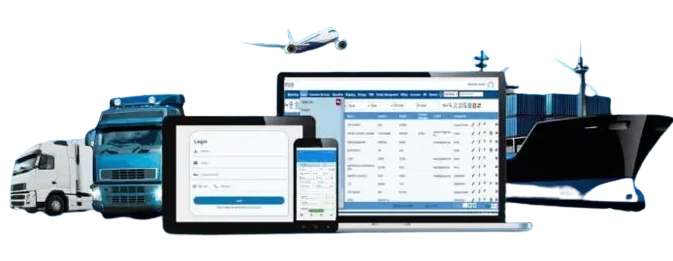
 Freight Forwarding Software
 Warehouse Management System
 Transport Management System
 Moving/Removal Software
 Customer Service Portal
 Move Survey Quote Pro
 Digital Logistics Inventory App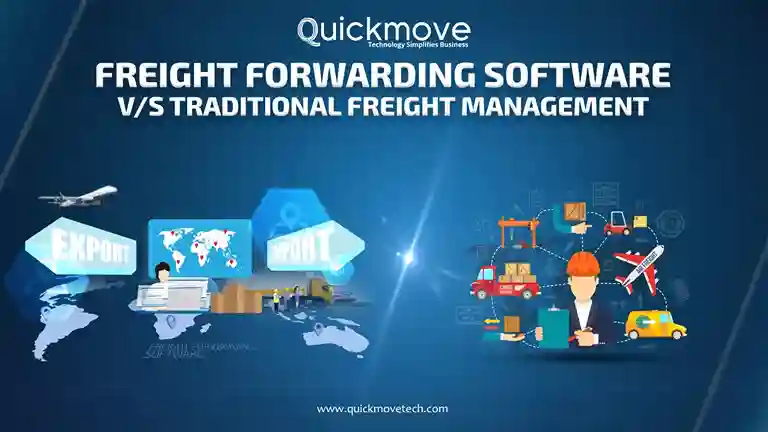
Freight forwarding is no longer just about moving cargo from point A to point B. Today, it is about speed, accuracy, compliance, transparency, and the ability to respond instantly when something goes wrong. The logistics industry has changed faster in the last decade than it did in the previous fifty years, and the tools used to manage freight have had to evolve just as quickly.
Yet, many freight forwarders are still operating with processes designed for a different era. Email threads, spreadsheets, paper files, and manual coordination were once enough. In today’s environment, they are a serious risk.
This is where the comparison between freight forwarding software and traditional freight management becomes important.
This article explains why freight forwarding software has become essential, how it addresses the limitations of traditional methods, and why digital systems are now the standard for forwarders who want to grow, stay compliant, and remain competitive.
The Reality of Modern Freight Forwarding
Global supply chains are more complex than ever. A single shipment may involve:
- Multiple carriers
- Several countries and customs authorities
- Different currencies and tax rules
- Tight delivery windows
- Constant customer communication
At the same time, customers expect real-time updates, accurate billing, and immediate answers. Regulators expect perfect documentation. Partners expect seamless coordination.
Trying to manage all of this manually is no longer realistic.
Freight forwarding software exists because the industry outgrew traditional methods.
What Freight Forwarding Software Really Does
Freight software is not just a digital replacement for spreadsheets. It is a centralized operating system for freight forwarders.
A modern platform brings together:
- Shipment planning and execution
- Rate management and quotations
- Carrier and agent coordination
- Customs and compliance documentation
- Real-time shipment tracking
- Automated invoicing and financial control
- Customer communication and portals
- Reporting and analytics
Instead of information being scattered across inboxes and files, everything lives in one system, updated in real time.
Solutions such as QuickMove Technologies freight forwarding software are designed around real freight workflows, not theoretical processes, which is why they fit naturally into day-to-day operations.
Why Traditional Freight Management Falls Short Today
Traditional freight management was built for a slower world. Fewer shipments, fewer regulations, fewer stakeholders, and far less pressure for instant visibility.
Today, those same methods create serious operational problems.
Fragmented Information
When shipment data lives in emails, spreadsheets, and personal notes, there is no single source of truth. Different teams work with different versions of the same information, leading to confusion and mistakes.
Freight forwarding software eliminates this fragmentation by centralizing all data in one platform.
High Error Rates
Manual data entry is one of the biggest causes of errors in logistics. A single incorrect number can lead to customs delays, financial losses, or damaged customer relationships.
Software reduces this risk by:
- Reusing validated data across documents
- Automating calculations
- Flagging missing or incorrect information
Poor Visibility
In manual systems, shipment visibility depends on someone checking emails or calling carriers. This creates delays and uncertainty.
Freight forwarding software provides continuous visibility, allowing teams to see shipment status instantly and respond proactively to issues.
Limited Scalability
Manual processes do not scale. As shipment volumes grow, complexity grows faster than headcount. Eventually, operations become chaotic.
Software allows forwarders to scale without losing control.
Shipment Management: From Guesswork to Control
One of the clearest advantages of freight forwarder software is how it transforms shipment management.
Centralized Shipment Records
Every shipment has a complete digital record:
- Booking details
- Carrier information
- Documents
- Costs and revenue
- Status updates
Nothing is lost. Nothing is hidden in someone’s inbox.
Platforms like QuickMove Technologies’ freight management software provide dashboards that give operations teams instant clarity over active, delayed, or completed shipments.
Real-Time Updates
Modern software connects with carriers, agents, and tracking systems to provide continuous updates. This reduces the need for follow-ups and phone calls.
Instead of reacting to problems, teams can anticipate them.
Documentation and Compliance Without Chaos
Freight forwarding is paperwork-heavy by nature. Software turns this from a liability into a strength.
Automated Document Creation
Instead of manually creating documents for every shipment, freight forwarding software generates them automatically using existing shipment data.
This ensures:
- Consistency
- Accuracy
- Faster processing
Easier Compliance
Compliance rules change frequently, and manual systems struggle to keep up.
Software helps by:
- Standardizing documentation
- Storing audit trails
- Reducing dependency on individual knowledge
This is critical for forwarders operating across multiple countries and regulatory environments.
Financial Control and Profitability
Margins in freight forwarding are often tight. Without accurate financial visibility, profit leaks go unnoticed.
Real-Time Cost Tracking
Freight forwarding software tracks costs and revenue as shipments progress, not weeks later.
This allows forwarders to:
- Compare estimated vs actual costs
- Identify unprofitable shipments
- Control demurrage and detention
Faster and More Accurate Invoicing
Manual invoicing is slow and error-prone. Software automates invoicing based on actual shipment data, reducing disputes and improving cash flow.
Many users of QuickMove Technologiesfreight forwarding software highlight financial clarity as one of the biggest operational improvements after implementation.
Better Customer Experience Is No Longer Optional
Customer expectations have changed. Visibility and transparency are now standard, not premium features.
Customer Portals and Self-Service
Freight forwarding software allows customers to:
- Track shipments
- Access documents
- View invoices
This reduces email traffic and improves customer satisfaction.
Faster Responses
When all information is available instantly, customer service teams can respond quickly and confidently.
This builds trust and long-term relationships.
Data-Driven Decisions Instead of Assumptions
Manual systems offer very limited insight. Software changes that completely.
Built-In Analytics
Freight forwarding software provides reports on:
- Shipment performance
- Customer profitability
- Carrier reliability
- Operational bottlenecks
This data helps management make informed decisions rather than relying on intuition.
Forecasting and Planning
With historical data stored in one system, forwarders can forecast demand, plan capacity, and negotiate better carrier contracts.
Security and Reliability
Logistics data is sensitive. Software provides protections that manual systems cannot.
Controlled Access
Role-based access ensures that employees only see what they need to see.
Data Backups and Recovery
Cloud-based freight forwarding software protects data from loss, damage, or local system failures.
Scaling Without Losing Control
Growth is only positive if operations remain stable.
Freight forwarding software supports expansion by:
- Standardizing processes
- Supporting multi-branch operations
- Handling higher shipment volumes
Forwarders using QuickMove Technologiesfreight forwarding software can expand into new markets without rebuilding their operational foundation from scratch.
Why Freight Forwarding Software Is the Industry Standard Going Forward
The logistics industry is moving toward digital ecosystems. Carriers, customs authorities, and customers all expect faster, more accurate information exchange.
Freight forwarding software is no longer a competitive advantage — it is a basic requirement.
Companies that delay digital adoption face:
- Higher operational costs
- Lower customer satisfaction
- Increased compliance risk
- Slower growth
Choosing the Right Freight Forwarding Software
Not all platforms are the same. When selecting software, forwarders should look for:
- Industry-specific design
- Ease of use
- Strong support and onboarding
- Scalability
- Integration capabilities
Solutions like QuickMove Technologies freight forwarding software are built specifically for freight forwarders, not adapted from generic enterprise tools.
Final Thoughts
The comparison between freight forwarding software and traditional freight management is no longer about preference or comfort. It is about survival and relevance.
Manual processes cannot deliver the speed, visibility, accuracy, or scalability required in modern logistics. Freight forwarding software can.
Forwarders who invest in digital systems gain control over their operations, clarity over their finances, and trust from their customers.