Email Us
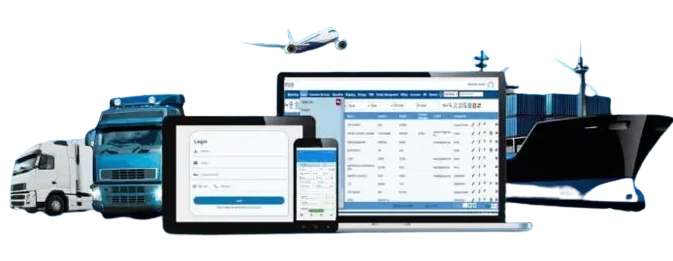
 Freight Forwarding Software
 Warehouse Management System
 Transport Management System
 Moving/Removal Software
 Customer Service Portal
 Move Survey Quote Pro
 Digital Logistics Inventory App
Freight delivery is not complete when a vessel, aircraft, or truck reaches its destination. The shipment must still clear required procedures, receive release approval, complete final-mile delivery, and arrive with the correct documents and charges.
Emails, phone calls, and spreadsheets can create gaps that cause delays or missed appointments. Modern freight delivery software connects data, documents, tracking, transport, billing, and communication in one workflow, giving logistics teams greater control and consignees a more reliable experience.
Who Is the Consignee in Freight Delivery?
The consignee is the person or business named to receive cargo at its destination. Depending on the shipment and local rules, the consignee may also be the buyer or importer of record, but these roles are not always the same. Freight forwarders support the consignee by managing documents, milestones, partners, and delivery instructions.
Understanding the Freight Delivery Process
A successful delivery requires coordination before, during, and after the shipment reaches its destination.
1. Prepare Before the Shipment Arrives
Before arrival, verify the shipment details, delivery address, contact person, cargo description, and document requirements.
Important documents may include:
- Bill of Lading or Air Waybill
- Commercial invoice
- Packing list
- Certificate of origin, when required
- Import permits or supporting certificates
- Delivery order and customs documents
Why Document Accuracy Matters
Incorrect names, quantities, classifications, or addresses can delay clearance. A digital system keeps current files accessible and reduces reliance on scattered email attachments.
2. Track Arrival, Clearance, and Release
As cargo approaches, the consignee needs updates on arrival, customs progress, availability, release, and delivery scheduling.
Visibility Prevents Last-Minute Surprises
Real-time tracking and notifications help teams respond early when a document is missing or a delivery date changes.
3. Coordinate Final-Mile Delivery
After release, the provider arranges transport and delivery instructions. The consignee confirms site access, receiving hours, unloading capacity, and the authorized receiver.
Complete the Delivery with Digital Proof
A digital proof of delivery records the time, receiver, quantity, and any damage or shortage, creating evidence for billing, claims, and customer service.
Common Problems Consignees Face During Freight Delivery
Many delivery problems begin with disconnected information. Common challenges include:
- No clear view of the shipment’s current status
- Delayed or inconsistent milestone updates
- Missing or outdated freight documents
- Incorrect consignee or delivery-address information
- Poor coordination between the forwarder, customs broker, transporter, and warehouse
- Unplanned demurrage, detention, storage, or waiting charges
- Missed delivery appointments
- Disputes over invoices, shortages, or proof of delivery
An integrated logistics software platform helps bring these activities into one controlled system, making the process easier to manage for both the logistics provider and the consignee.
How Logistics Software Improves the Consignee Experience
Centralized Shipment Information
Authorized users can review job details, documents, milestones, and costs in one place instead of searching through messages.
Automated Job Creation and Documentation
Software can create structured job records from shipment data and support Bills of Lading, Air Waybills, delivery notes, and invoices, reducing manual entry and duplication.
Real-Time Tracking and Customer Access
A customer portal can provide tracking, document access, and status notifications without repeated calls or emails, improving transparency and reducing support work.
Connected Transport and Warehouse Operations
An integrated freight delivery system can connect container movement, storage, warehouse handling, and final transport using the same job information.
Accurate Billing and Cost Visibility
Integrated billing generates invoices from operational records, tracks payments, identifies unbilled costs, and helps reduce disputes over freight, handling, transport, or storage charges.
Exception Alerts and Workflow Control
Alerts identify overdue milestones, pending documents, and deliveries requiring attention. Tasks, approvals, and audit trails also make responsibilities clearer.
How QuickMove Software Supports Freight Delivery Management
QuickMove connects freight, transport, warehouse, documentation, billing, and customer-facing processes. Its tools help logistics businesses manage the consignee experience from shipment booking through final delivery.
Useful capabilities include:
- Air, sea, road, and rail freight workflow management
- FCL, LCL, and groupage shipment handling
- Real-time shipment tracking and milestone updates
- Automated documentation for BL, AWB, and delivery activities
- Customer portal access to tracking, documents, and updates
- Transport planning for vehicles, drivers, trips, and delivery execution
- Warehouse inventory and stock-movement visibility
- Automated invoicing and logistics accounting
- Shipment-level costing and profitability insights
- Reports and dashboards for operational control
With QuickMove logistics software, freight businesses can replace fragmented processes with structured workflows, faster communication, stronger cost control, and a more transparent consignee journey.
Best Practices for a Smooth Consignee Delivery
Before Arrival
- Confirm the consignee name, contact details, and delivery address.
- Review required documents and import responsibilities.
- Monitor the estimated arrival and free-time terms.
- Identify possible clearance or delivery restrictions early.
Before Final Delivery
- Confirm release status before dispatching transport.
- Agree on the delivery date and receiving time.
- Check vehicle access and unloading requirements.
- Share any special cargo-handling instructions.
After Delivery
- Capture proof of delivery immediately.
- Record shortages, damage, or exceptions with evidence.
- Match operational charges with the agreed quotation.
- Store shipment records for future reference and reporting.
Final Thoughts
The consignee’s experience requires accurate data, complete documents, timely updates, coordinated delivery, transparent billing, and reliable proof of receipt. Freight delivery software connects operations, transport, warehousing, finance, and communication, turning a fragmented process into a consistent and measurable workflow.