Email Us
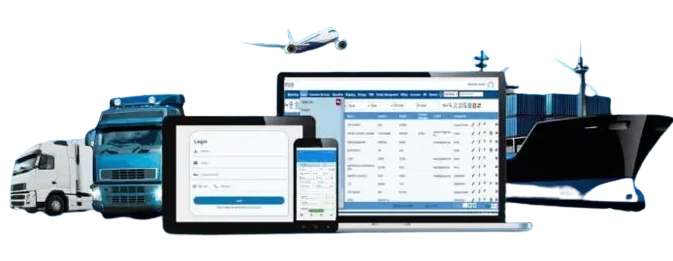
 Freight Forwarding Software
 Warehouse Management System
 Transport Management System
 Moving/Removal Software
 Service Portal
 Move Survey Quote Pro
 Digital Logistics Inventory App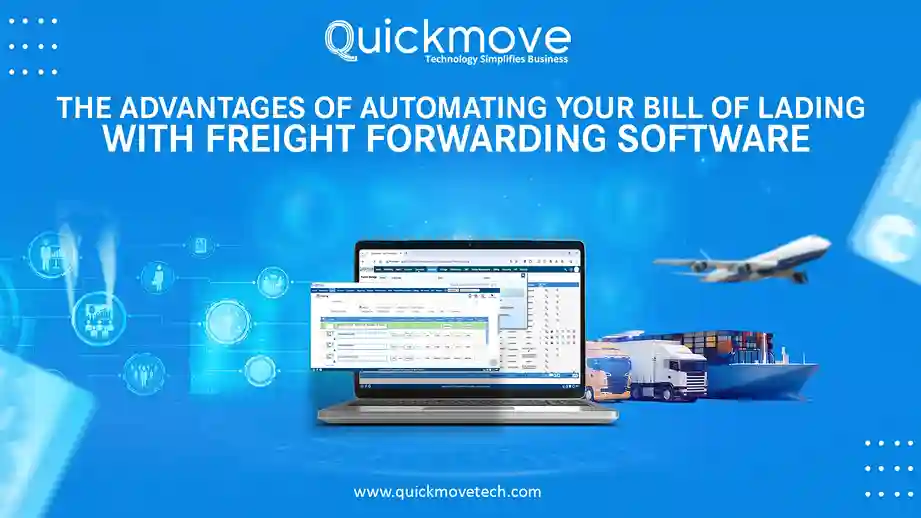
A Bill of Lading (BOL) isn’t just another document in the logistics industry; it’s the backbone of every shipment. It acts as a contract, a receipt, and proof of ownership all at once. But while the shipping industry has evolved quickly over the years, many freight forwarders and logistics companies still manage BOLs manually. This means dealing with spreadsheets, emails, and paper forms that can easily lead to errors, delays, and compliance issues.
Automating your Bill of Lading through freight forwarding software changes all of that. It simplifies the process, reduces risk, and gives your team the freedom to focus on higher-value work. In this blog post, we’ll break down the key benefits of automating your BOL using freight forwarding software.
Why the Bill of Lading Matters So Much
Before diving into automation, it’s worth understanding why the BOL is such a vital document:
- It serves as legal proof of the shipment between the shipper and the carrier.
- It outlines what’s being shipped, where it’s going, and who’s responsible.
- It allows customs and port officials to verify goods.
- It helps resolve disputes or claims when something goes wrong.
Because it plays such a central role, even a small mistake, like an incorrect HS code, wrong weight, or missing customer detail, can cause major operational problems. And that’s where automation steps in.
Benefits of Automating Your Bill of Lading with Freight Forwarding Software
Businesses can save themselves from a lot of hassle by automating their bill of lading with freight software. The Electronic Bill of Lading market is projected to grow at a 25.0% CAGR from 2025 to 2034. Here are some of the main advantages of bill of lading automation:
1. Fewer Human Errors
Manual data entry is one of the biggest sources of mistakes in logistics. Even the most skilled staff can only key in information so many times before an extra zero or a misspelled item name slips in. Automated BOL creation removes most of this risk.
When you use freight forwarding software, the system pulls data directly from existing records like bookings, customer profiles, and shipment details. This means:
- No repeated typing of the same information
- More accurate handling of product descriptions and codes
- Auto-validation that reduces missing or incomplete fields
With fewer errors, shipments move faster and require less back-and-forth communication to fix paperwork issues. Modern tools like QuickMove’s software for freight forwarders help eliminate repeated data entry by pulling shipment information directly from the system.
2. Faster Document Processing
Creating a Bill of Lading manually can take anywhere from 10 minutes to an hour depending on the shipment’s complexity. Now imagine this multiplied by dozens, or even hundreds, of shipments per month.
Automation cuts this time significantly. With a few clicks, a complete BOL is ready for review or sharing. This speed helps freight forwarders:
- Process more shipments in a day
- Respond to customer requests faster
- Reduce delays caused by paperwork bottlenecks
Speed is a competitive advantage in logistics, and automated BOLs help unlock that advantage.
3. Better Compliance and Standardization
Regulations around shipping are constantly tightening. From local port rules to international trade laws, keeping track of compliance requirements can be overwhelming.
Automated bill of lading software helps enforce compliance by:
- Using pre-set templates that follow industry standards
- Ensuring required fields are filled before the BOL can be saved or sent
- Keeping data consistent across every shipment
- Updating document formats to match regulatory changes
This reduces the chances of compliance violations, which can be costly and time-consuming to resolve. Solutions such as QuickMove ensure BOL formats stay aligned with industry and regulatory standards without extra manual updates.
4. Centralized and Secure Document Storage
Paper documents get misplaced. Email attachments get lost or stuck in someone’s inbox. Even shared drives can get messy if documents aren’t organized properly.
Bill of lading software solves this by storing all BOLs, and related documents, securely in the cloud. This gives your team:
- Instant access to documents from anywhere
- A single source of truth for all shipment information
- Permission-based access for confidentiality
- Automatic backups to prevent data loss
Having everything centralized not only improves security but also reinforces trust with stakeholders who rely on accurate and timely data. Platforms like QuickMove make it easy for teams to access BOLs securely from anywhere, supporting smooth collaboration.
5. A More Professional Customer Experience
Shippers and consignees want transparency. They want documents delivered quickly, clearly, and without errors.
Automation helps you meet these expectations by:
- Providing customers with clean, standardized documents
- Allowing instant sharing via email or customer portals
- Reducing delays caused by missing or unclear information
A polished process reflects well on your business and strengthens long-term customer relationships.
6. Cost Savings over Time
It’s easy to underestimate how costly manual processes can be. Labor hours, paper usage, printing, rework, and error-related delays all add up.
When BOLs are automated, companies can:
- Reduce labor costs
- Eliminate printing and physical storage
- Avoid error-related fees or shipment delays
- Improve staff efficiency
These savings compound over time, making automation a worthwhile investment for freight forwarders of any size.
7. Improved Team Collaboration
In logistics, different departments, operations, documentation, customer service, finance, need to work closely together. Manual processes often create communication barriers.
Automation helps streamline collaboration by:
- Allowing multiple team members to access or update documents (with restricted permissions)
- Keeping everyone aligned with real-time data
- Reducing misunderstandings caused by outdated document versions
When teams collaborate better, the entire shipping process becomes smoother and more predictable.
8. Faster Dispute Resolution
Disputes happen in logistics, damaged goods, mismatched shipment details, or miscommunication between parties. When a dispute arises, the Bill of Lading becomes the go-to reference point.
Automated BOLs help resolve issues faster because:
- They are time-stamped and tamper-proof
- Historical versions can be retrieved instantly
- The information is consistent and stored securely
This gives businesses a stronger footing when dealing with carriers, customers, or insurers.
9. Scalability for Growing Freight Forwarders
As your business expands, manual paperwork becomes harder to manage. More customers mean more shipments, and more shipments mean more BOLs.
Automation ensures you can scale without adding unnecessary overhead. The system does the heavy lifting, allowing your operations team to focus on growth, planning, and customer service.
Final Thoughts
Automating your Bill of Lading process with freight forwarding software isn’t just about convenience; it’s about strengthening your business, improving customer trust, and preparing your operations for the future.
If you’re looking for a reliable and user-friendly solution, QuickMove Technologies offers freight forwarding software that automates documents like the Bill of Lading with precision, ensuring smoother workflows and higher efficiency across your shipping operations.